


What's Happening?
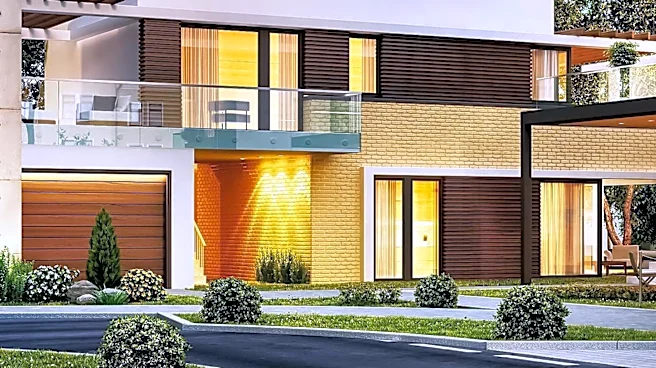
The trend in sustainable homes and eco-living is shifting towards holistic design principles that encompass every stage of a building's life. This approach considers factors from initial orientation and material selection to heating and power systems.
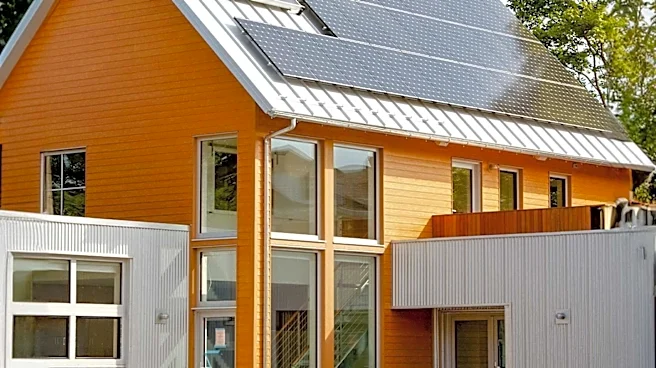
Sustainable design prioritizes efficient resource use and minimizing environmental impact, often integrating advanced technologies and methods. Examples include Passivhaus principles, the use of carbon-negative materials, and low-impact construction techniques. Builders are increasingly adopting Green Star certification processes to meet evolving buyer demands for healthier, more efficient, and future-ready homes. New construction homes are leveraging modern technology for enhanced energy efficiency, incorporating features like advanced insulation, high-performance windows, and smart heating and cooling systems. This comprehensive view ensures that sustainability is not merely an add-on but an integral part of the entire design and construction process, aiming to create homes that are both environmentally responsible and cost-effective for occupants.
Why It's Important?
This shift towards holistic sustainable home design is crucial for several reasons. Environmentally, it significantly reduces the carbon footprint of residential buildings, a major contributor to climate change, by minimizing energy consumption and waste. Economically, these homes offer long-term savings for homeowners through reduced utility bills due to superior insulation, efficient HVAC systems, and renewable energy sources. For the construction industry, it signals a move towards more responsible and innovative building practices, driving demand for sustainable materials and technologies. This trend also impacts public policy, potentially leading to stricter building codes and incentives for green construction. Socially, it promotes healthier living environments by improving indoor air quality and fostering a connection with nature. As consumer awareness of environmental issues grows, the demand for sustainable housing will likely increase, influencing market trends and investment in green building solutions across the U.S.
What's Next?
Looking ahead, the sustainable home market is expected to expand further, with continued innovation in materials and building techniques. We can anticipate a greater integration of smart home technologies that optimize energy usage and enhance occupant comfort. Policy-wise, there may be increased governmental support through tax credits, grants, and updated building regulations to encourage sustainable construction and retrofitting. The industry will likely see more collaborations between architects, builders, and technology providers to develop integrated sustainable solutions. Consumer demand will continue to drive this evolution, pushing for more accessible and affordable eco-friendly housing options. Furthermore, there could be a rise in community-focused sustainable developments, emphasizing shared resources and green spaces. The focus will remain on creating homes that are not only energy-efficient but also resilient to climate change and adaptable to future needs.
Beyond the Headlines
Beyond the immediate benefits, the emphasis on holistic sustainable home design reflects a broader cultural shift towards conscious consumption and environmental stewardship. This movement challenges traditional notions of homeownership, promoting a lifestyle that prioritizes ecological balance and resource conservation. Ethically, it addresses the responsibility of the built environment to minimize its impact on the planet and future generations. Legally, it could lead to more stringent environmental regulations in construction, potentially redefining property rights and development standards. Culturally, sustainable homes may become symbols of modern living, influencing aesthetic preferences and community values. This trend also highlights the interconnectedness of various sectors—from manufacturing and energy to urban planning and finance—all playing a role in shaping a more sustainable future. The long-term implication is a potential paradigm shift in how we conceive, build, and inhabit our living spaces, moving towards a regenerative model that benefits both people and the planet.