






What's Happening?
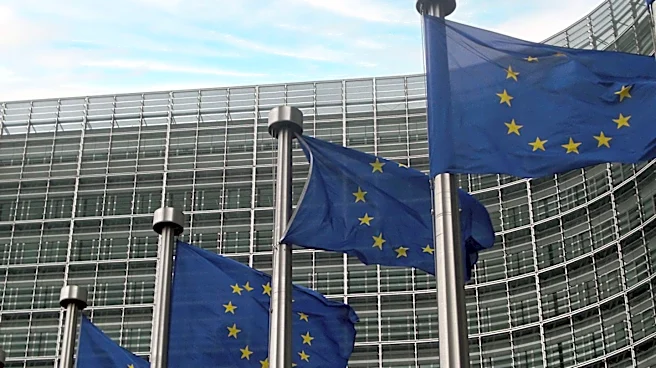
The European Commission has initiated a consultation on draft standards for the external review of corporate sustainability reports. Under the EU's Corporate Sustainability Reporting Directive (CSRD), large companies meeting specific size thresholds are
mandated to publish information regarding their environmental and social impacts and risks. This reported information must then undergo review by an independent external party, a process known as 'assurance.' The Commission is specifically consulting on 'limited assurance' standards, which offer a lower level of assurance compared to a full audit. A previous EU simplification package, Omnibus I, confirmed that companies would only be required to obtain limited assurance for sustainability reporting, removing the option for a future requirement of 'reasonable assurance.' The draft standards were developed with technical advice from the Committee of European Auditing Oversight Bodies (CEAOB), considering existing international standards and EU law.
Why It's Important?
These new EU oversight standards for corporate sustainability reports have significant implications for U.S. companies operating within or doing business with the European Union. Many U.S. multinational corporations will likely fall under the scope of the CSRD, necessitating compliance with these new reporting and assurance requirements. This will require U.S. businesses to enhance their data collection, internal controls, and reporting processes related to environmental and social impacts. Failure to comply could result in penalties, reputational damage, and restricted access to the EU market. The move towards mandatory external assurance also sets a precedent that could influence future U.S. regulatory developments regarding ESG reporting, potentially leading to similar requirements domestically. This increased scrutiny aims to improve the credibility and comparability of sustainability data, benefiting investors and other stakeholders who rely on this information for decision-making.
What's Next?
The consultation period for these draft standards is open until January 18, 2027, inviting feedback from various stakeholders including companies, auditors, investors, and civil society organizations. Following the consultation, the European Commission will finalize the 'limited assurance' standards, which will then become binding for companies falling under the CSRD. This will necessitate significant preparation for affected U.S. companies to establish robust internal systems for sustainability data collection and to engage with independent assurance providers. The implementation of these standards will likely lead to a more standardized and transparent landscape for corporate sustainability reporting within the EU, potentially influencing global best practices. Companies will need to adapt their reporting strategies to meet these new requirements, ensuring their sustainability claims are verifiable and credible.
Beyond the Headlines
The EU's move to mandate external assurance for corporate sustainability reports signifies a deeper global trend towards greater accountability and transparency in environmental and social governance. This initiative goes beyond mere disclosure, aiming to instill confidence in the reported data by subjecting it to independent verification. It highlights a growing recognition that sustainability information is as critical as financial data for assessing a company's long-term viability and societal impact. This could lead to a more integrated approach to corporate reporting, where financial and non-financial information are equally scrutinized. The emphasis on 'limited assurance' also sparks a debate about the appropriate level of scrutiny for sustainability data, balancing the need for credibility with the practicalities of implementation. Ultimately, this development could foster a more responsible and trustworthy corporate sector, driving genuine progress towards sustainable development goals.