






What's Happening?
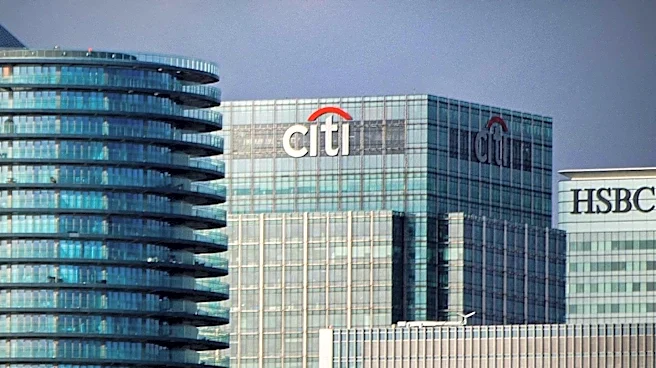
Citi is actively evolving its approach to digital assets, recognizing a significant shift in how money and assets move and settle globally. The bank's Services business, which processes trillions of dollars daily across various currencies and markets,
is at the forefront of this transformation. Citi has launched initiatives such as Citi Token Services and is developing digital asset custody capabilities, alongside establishing connectivity to new blockchain networks. This strategic pivot is driven by evolving client demands for faster cash mobility, the adoption of tokenized instruments by asset managers, and the emergence of digital platforms that assume constant liquidity. Citi views this as a critical imperative to strengthen its franchise, maintain its central role in client flows, and unlock new growth opportunities. The bank is modernizing payment rails, enhancing collateral mobility, and building capabilities aligned with the future commercial ecosystem, aiming to provide clients with 24/7 liquidity and securities movement across markets and currencies.
Why It's Important?
Citi's aggressive push into digital assets signifies a major shift in the traditional banking sector, highlighting the growing importance of blockchain technology and tokenization in global finance. This move is crucial for the U.S. financial industry as it demonstrates how established institutions are adapting to technological advancements to remain competitive. By investing in digital asset infrastructure, Citi aims to cater to the evolving needs of treasurers, asset managers, and digital platforms, who increasingly demand seamless and continuous movement of capital. This could set a precedent for other major U.S. banks, potentially accelerating the adoption of digital asset solutions across the financial landscape. The development of robust digital asset custody and post-trade infrastructure by a global player like Citi also enhances trust and security in the nascent digital asset space, which is vital for broader institutional adoption and regulatory clarity in the U.S.
What's Next?
Citi anticipates a gradual transition where deposits, payments, investments, and collateral assets will exist in both traditional and tokenized forms, moving across multiple networks. The bank's immediate focus is on bridging this transition for clients who may still operate on legacy infrastructure, ensuring that systems, processes, and risk controls evolve alongside technology. Citi will continue to monitor legislative and regulatory developments globally, including acts like the GENIUS Act and the Clarity Act, as clear rules are considered essential for responsible innovation and maintaining trust in the financial system. The firm expects to expand access to cryptocurrencies, tokenized funds, and digital bonds within a disciplined risk framework, preparing to custody these assets in a regulated environment. As interoperability improves, clients will increasingly expect capital to move and transfer without friction, pushing Citi to evolve its role from transaction processing to orchestrating continuous value movement.
Beyond the Headlines
The deeper implications of Citi's digital asset strategy extend to the fundamental architecture of global finance. This shift could lead to a more interconnected financial ecosystem where value moves continuously, challenging traditional banking models that rely on defined clearing hours and batch processes. Ethically, the move towards 24/7 liquidity and instant settlement raises questions about market stability, risk management in a perpetually open system, and the potential for increased financial velocity. Legally, the evolving landscape of digital assets necessitates new regulatory frameworks that can keep pace with technological innovation while ensuring consumer protection and financial stability. Culturally, the adoption of tokenized assets by a major bank like Citi could normalize digital currencies and blockchain technology, influencing public perception and accelerating their integration into everyday financial activities. This long-term shift could redefine how capital is managed, transferred, and secured, potentially leading to a more efficient but also more complex global financial system.