







What's Happening?
Istanbul, Turkey, is preparing to host the Istanbul Tourism Fair 2026 at the Eurasia Show and Art Center from September 24 to September 25, 2026. Organized by Dream Project, this event is positioned as one of Turkey’s leading B2B tourism exhibitions.
It aims to bring together a diverse range of tourism professionals, including destination management organizations, travel agencies, hotels, airlines, municipalities, technology providers, and hospitality suppliers from around the world. The fair will serve as a strategic networking platform, facilitating partnerships, promoting destinations, and exploring innovative tourism solutions. Attendees will have opportunities to participate in conferences, tourism summits, panel discussions, workshops, and B2B matchmaking sessions, featuring insights from industry experts and decision-makers. The event underscores Istanbul's role as a city connecting Europe and Asia, offering valuable opportunities for international buyers and exhibitors to establish business relationships and expand into new markets.
Why It's Important?
The Istanbul Tourism Fair 2026 holds significant importance for the global tourism industry, particularly for businesses seeking growth in regional and international markets. By convening a wide array of tourism professionals, the fair fosters an environment for discovering emerging travel trends and tourism technologies, which can influence global travel patterns and consumer expectations. For U.S. tourism businesses, this event presents an opportunity to explore new markets, forge international partnerships, and showcase their offerings to a targeted professional audience. The emphasis on sustainable tourism strategies at the fair also aligns with growing global demand for responsible travel, potentially influencing how U.S. travel companies develop and market their services. Furthermore, the fair's role in connecting industry leaders and facilitating discussions on the future of global travel can provide valuable insights into potential shifts in the international tourism landscape, impacting investment and collaboration opportunities for U.S. stakeholders.
What's Next?
Leading up to the Istanbul Tourism Fair 2026, organizers will likely focus on attracting a broad international contingent of exhibitors and attendees. This will involve extensive marketing campaigns targeting key players in the tourism sector globally, including those in the U.S. Businesses interested in participating will need to secure exhibition space and plan their engagement strategies, including identifying potential partners and preparing presentations on their destinations or services. Following the fair, the immediate next steps will involve participants following up on leads, formalizing partnerships, and integrating new insights into their business models. The discussions and agreements made at the fair could lead to new travel packages, technological adoptions, and collaborative ventures that will shape the tourism offerings available to consumers in the subsequent years. The event's outcomes will also be closely watched by industry analysts to gauge future trends and investment opportunities in the global tourism sector.
Beyond the Headlines
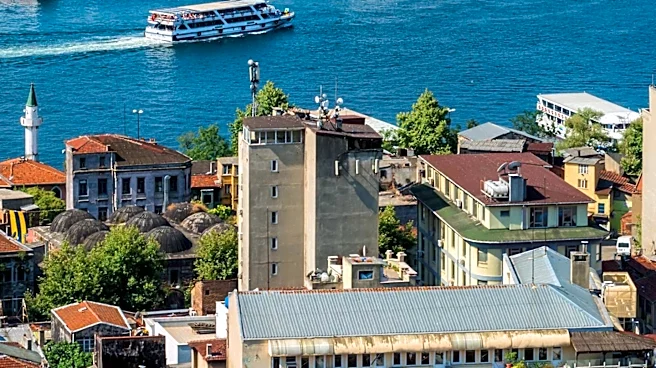
The Istanbul Tourism Fair 2026 transcends a mere trade show, embodying broader cultural and economic implications. Istanbul's unique geographical and historical position as a bridge between continents makes it an ideal location for such an international gathering, symbolizing the interconnectedness of global tourism. The fair's focus on B2B interactions and the exploration of innovative solutions highlights the industry's continuous evolution, driven by technological advancements and changing consumer preferences. Beyond economic transactions, these events foster cultural exchange and understanding, as professionals from diverse backgrounds converge to discuss shared interests. The emphasis on sustainable tourism also reflects a growing global consciousness regarding environmental and social responsibility, pushing the industry towards more ethical practices. This shift could lead to long-term changes in how destinations are developed and promoted, influencing travel behaviors and the overall impact of tourism on local communities and ecosystems worldwide.