

What's Happening?
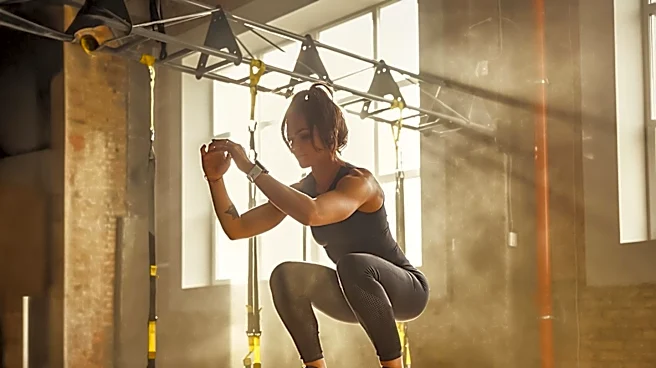
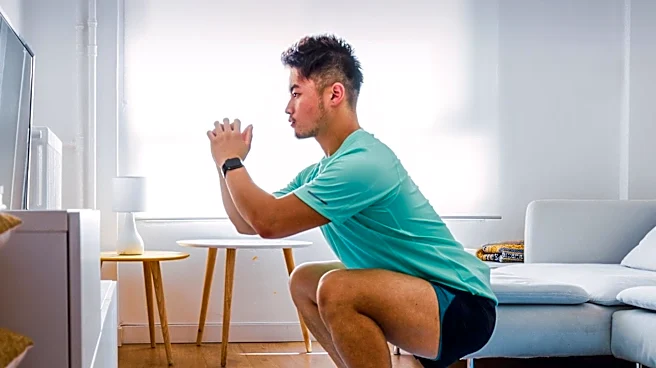
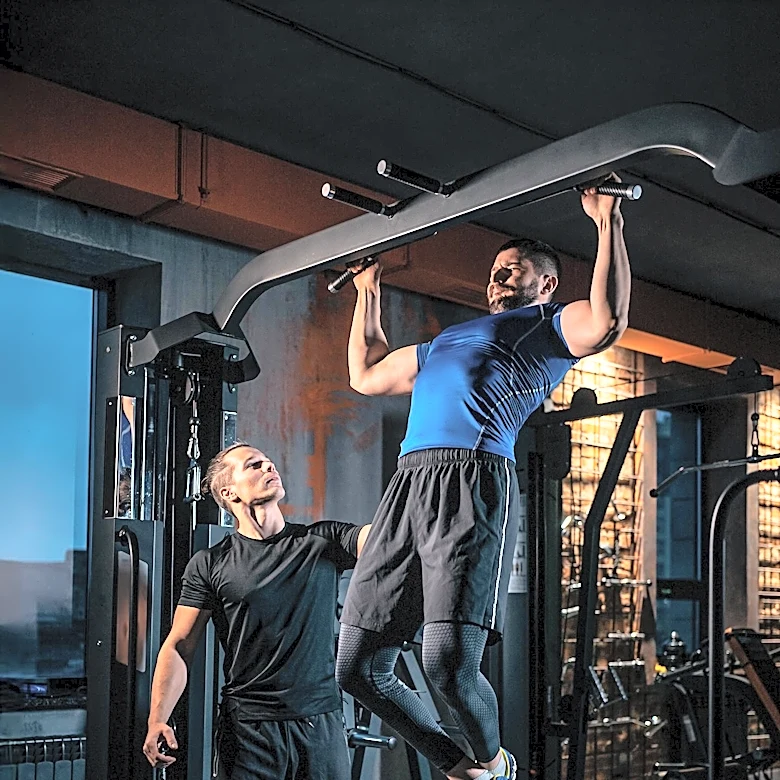
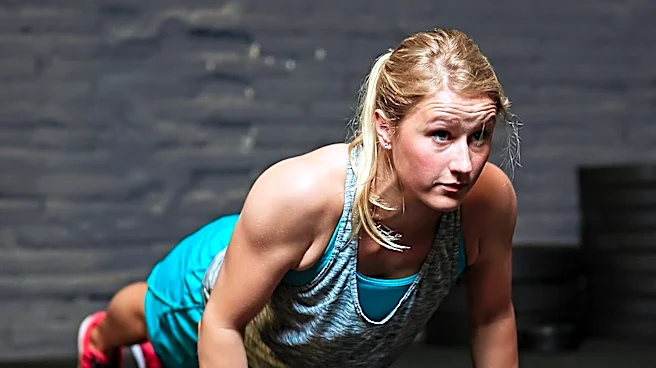
Many individuals are seeking effective home workout routines that do not require specialized equipment. A comprehensive guide highlights 16 bodyweight exercises that can be performed at home, targeting various muscle groups including legs, chest, shoulders,
arms, and core. These exercises include squats, push-ups, lunges, glute bridges, planks, and mountain climbers. The guide emphasizes the importance of simplicity and consistency, suggesting that a realistic routine completed three times a week is more valuable than an overly ambitious one that is rarely followed. For beginners, a combination of squats, push-ups, lunges, glute bridges, and planks is recommended as a starting point. The article also addresses common questions, such as whether home workouts can aid in weight loss (they can, but diet and overall activity are also crucial) and if an hour of exercise is necessary (a consistent 20-30 minute routine can be effective). The focus is on making exercise accessible and sustainable for individuals with busy schedules or limited access to gym facilities.
Why It's Important?
The increasing demand for accessible fitness solutions underscores the importance of effective home workout strategies. This guide provides a practical framework for individuals to maintain or improve their physical health without the financial burden or time commitment associated with gym memberships and equipment purchases. By promoting bodyweight exercises, it democratizes fitness, making it available to a broader demographic, including those in remote areas or with limited mobility. The emphasis on consistency over intensity can help reduce the intimidation factor often associated with starting a fitness regimen, thereby encouraging more people to adopt healthier lifestyles. This approach can lead to improved public health outcomes, as regular physical activity is crucial for preventing chronic diseases and enhancing overall well-being. Furthermore, the flexibility of home workouts allows individuals to integrate exercise seamlessly into their daily routines, fostering long-term adherence to physical activity.
What's Next?
As interest in home fitness continues to grow, there will likely be further development and popularization of bodyweight and minimal-equipment workout programs. Fitness professionals and online platforms may increasingly focus on creating diverse and progressive routines that cater to various fitness levels and goals, all within a home setting. We can expect more digital tools, such as apps and online classes, to incorporate these principles, offering structured guidance and motivation for at-home exercisers. Additionally, there may be a continued shift in consumer behavior towards investing in small, versatile fitness accessories that complement bodyweight training, rather than large, expensive gym equipment. The focus will remain on sustainable, convenient, and effective ways to stay active, adapting to evolving lifestyle trends and technological advancements in fitness delivery.
Beyond the Headlines
The rise of effective home workout strategies reflects a broader societal shift towards self-sufficiency and personalized well-being. This trend challenges traditional notions of fitness, moving away from the gym as the sole domain of physical activity and empowering individuals to take ownership of their health in their own spaces. It also highlights the ingenuity in leveraging the human body as a primary tool for fitness, emphasizing functional strength and natural movement patterns. Ethically, this accessibility can help bridge health disparities, offering a low-barrier entry to physical activity for underserved communities. Culturally, it may foster a more integrated approach to health, where physical activity is not a separate, scheduled event but a natural, flexible component of daily life, promoting a holistic view of wellness that extends beyond structured environments.