



What's Happening?
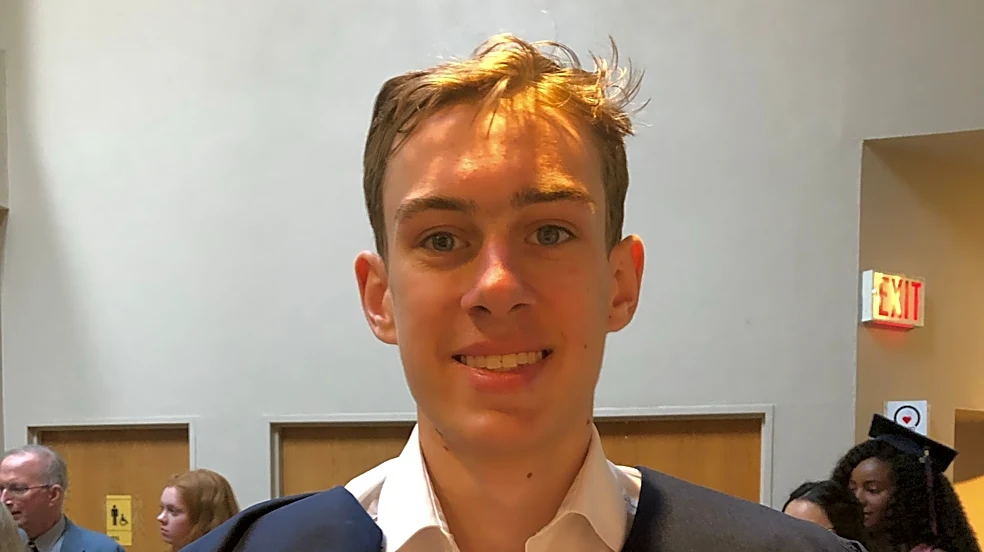
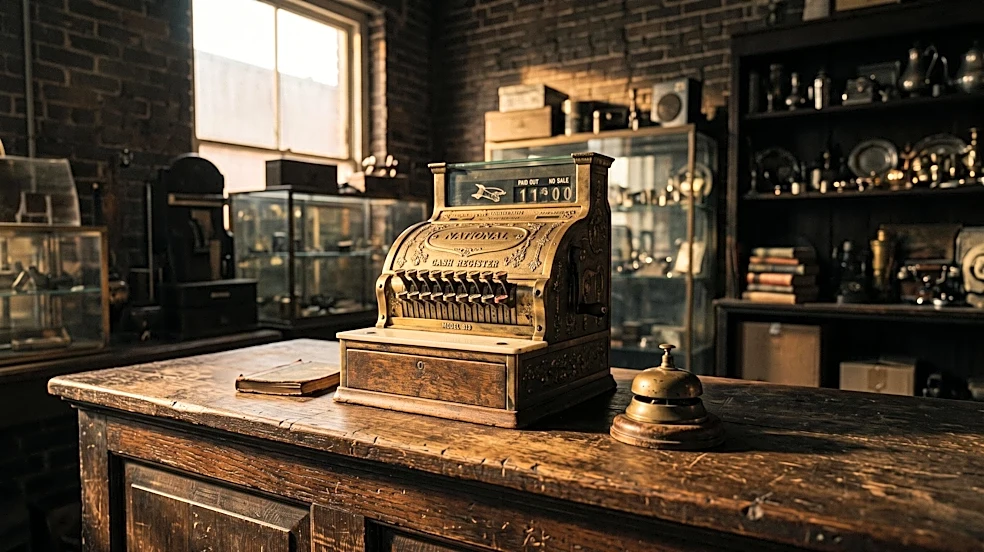
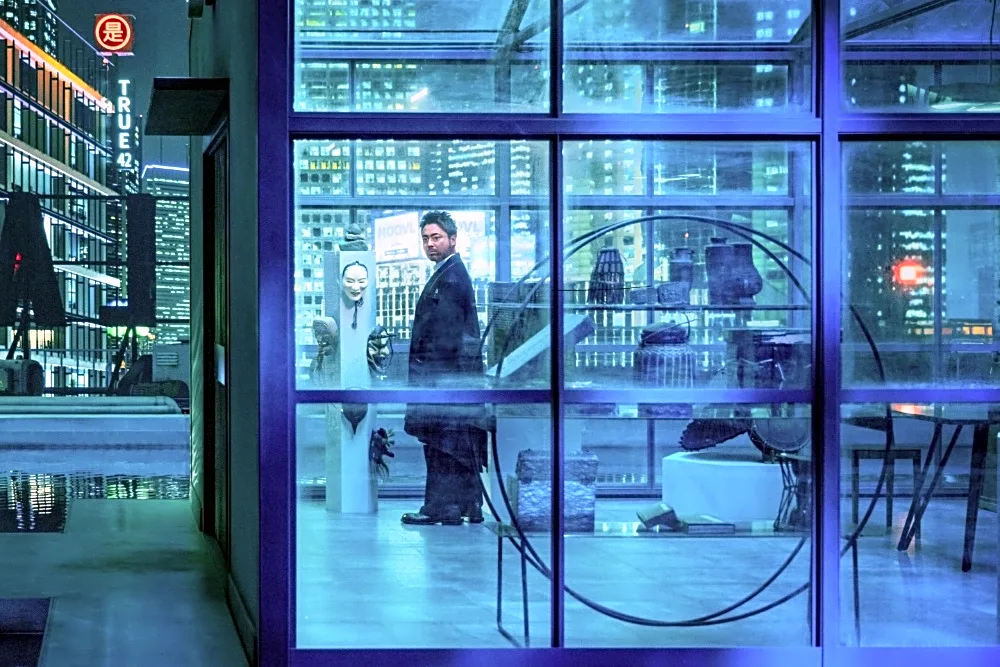
Gilbert Trejo, son of actor Danny Trejo, has publicly defended his father's involvement in 'Pawn Shop,' a film produced by Ben Shapiro's The Daily Wire. Gilbert claims his 82-year-old father signed on for an action movie, unaware of its eventual political
shift. According to Gilbert, The Daily Wire became involved two weeks into filming, and by then, Danny Trejo had completed enough work that withdrawing would have jeopardized the entire production. The film's narrative reportedly changed to center on an ICE officer seeking shelter in Danny Trejo's character's pawn shop amid civil unrest. Gilbert also stated that a 'substantial' number of cast and crew members were unaware of the screenplay changes, leading some to walk off set. Danny Trejo himself has publicly denied supporting ICE, stating, 'I am not pro ICE.'
Why It's Important?
This situation highlights the complexities and potential ethical dilemmas faced by actors and production crews when a project's creative or political direction changes mid-production. It underscores the power dynamics within the film industry, where contractual obligations can 'handcuff' individuals to projects they may not fully endorse. The controversy also reflects the broader cultural and political polarization in the U.S., where affiliations with certain media outlets or political figures can lead to significant public backlash. For The Daily Wire, this incident draws attention to its foray into film production and its approach to integrating political messaging into entertainment, potentially influencing its reputation and audience reception.
What's Next?
The film 'Pawn Shop' is scheduled for release in 2027, and the controversy surrounding its production and political messaging is likely to continue. Public reception to the film will be closely watched, particularly given the backlash and the statements from Danny Trejo and his son. The incident may prompt further discussions within the entertainment industry about transparency in film production, contractual clauses, and the ethical responsibilities of producers and actors. It could also influence how other actors and crew members approach projects associated with politically charged media organizations in the future, potentially leading to more rigorous vetting processes before committing to roles.
Beyond the Headlines
The controversy surrounding 'Pawn Shop' delves into the intersection of art, politics, and personal integrity. It raises questions about the extent to which artists should be held accountable for the political leanings of the production companies they work with, especially when those leanings become apparent after their commitment. The incident also reflects a growing trend of media organizations with distinct political agendas venturing into entertainment, blurring the lines between news, commentary, and creative content. This can lead to a more ideologically segmented entertainment landscape, where audiences may choose content based on its political alignment rather than purely artistic merit, further contributing to cultural polarization.