





What's Happening?
Fidelity Investments and Vanguard have released long-term forecasts for stock market returns, presenting a cautious outlook for retirees and those planning for retirement. Both financial services giants project that long-term investment returns will be
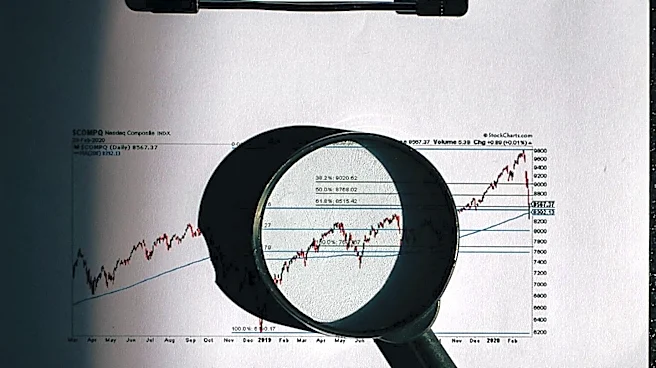
either modest or are expected to decline compared to historical averages. Specifically, Vanguard's 10-year outlook suggests U.S. stocks will yield an average annual return between 4.8% and 6.8% over the next decade. Fidelity's 20-year forecast is slightly lower, projecting an annualized return of 5.8% for U.S. stocks, which translates to approximately 3.2% after accounting for inflation. These projections stand in stark contrast to the S&P 500's historical average return of roughly 10% since its inception in 1957. This anticipated slowdown in growth could significantly impact the accumulation of retirement savings, potentially leading to less money in retirement accounts if these predictions materialize.
Why It's Important?
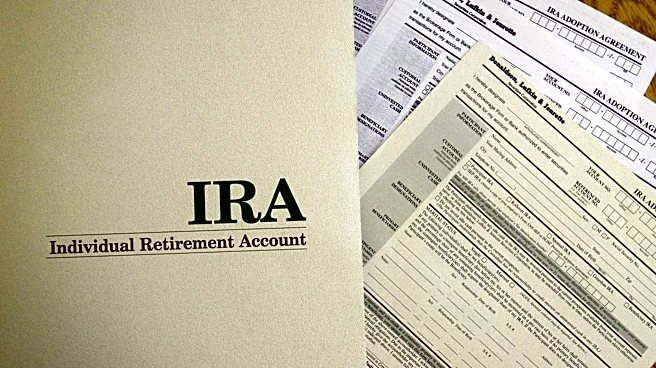
This joint warning from two of the largest investment firms in the U.S. carries significant weight for millions of American retirement savers. The projected lower stock market returns mean that individuals relying on traditional investment strategies, such as 401(k)s and IRAs, may experience slower growth in their retirement portfolios than previously anticipated. This could necessitate a reevaluation of retirement timelines, savings goals, and investment strategies. For those nearing retirement, these forecasts might imply a need to postpone retirement, increase contributions, or adjust lifestyle expectations. Younger savers may need to adopt more aggressive savings habits earlier in their careers to compensate for potentially diminished market returns. The implications extend beyond individual savers, potentially influencing broader economic behaviors, consumer spending patterns, and the demand for various financial products as individuals seek alternative ways to secure their financial futures.
What's Next?
In response to these forecasts, retirement savers are advised to review their current savings and investment strategies. Experts suggest reevaluating retirement timelines and savings needs, considering that slower growth might mean needing to work longer or save more aggressively. Increasing retirement contributions, especially to maximize employer matches, is highlighted as a crucial step. Additionally, regularly reviewing and adjusting portfolio diversification and asset allocation is recommended to align with changing timelines, goals, and risk tolerance. While market forecasts are not guarantees, they serve as a prompt for individuals to proactively manage their retirement planning. Financial advisors and institutions are likely to emphasize these adjustments, offering guidance on how to navigate a potentially lower-return environment.
Beyond the Headlines
The implications of these forecasts extend to a broader societal discussion about financial literacy and retirement security in the U.S. A prolonged period of lower investment returns could exacerbate existing challenges in retirement planning, particularly for those with inadequate savings or limited access to financial education. It might also spur innovation in financial products designed to offer more stable returns or alternative investment avenues. Furthermore, this outlook could influence public policy debates regarding social security, pension plans, and tax incentives for retirement savings. The shift in expected returns could also lead to a re-evaluation of the traditional 'set it and forget it' approach to retirement investing, encouraging a more active and informed engagement from individuals in managing their financial futures.