


What's Happening?
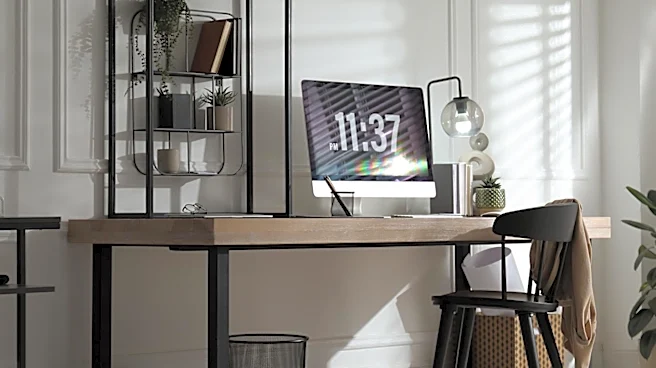
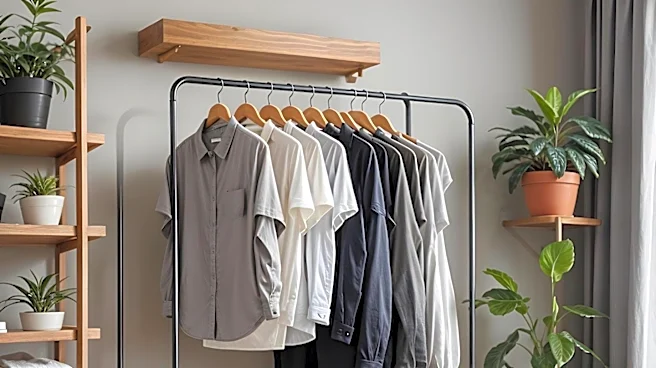
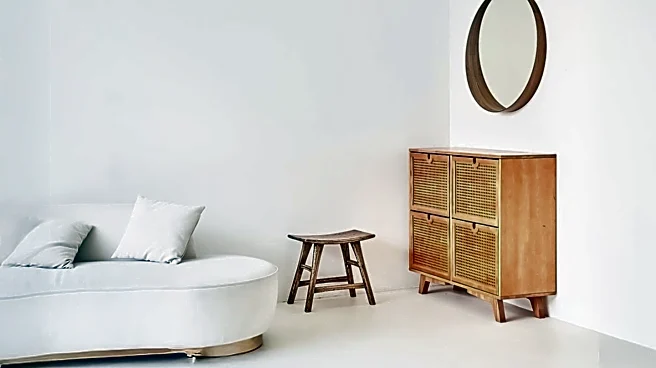
Minimalism in art is characterized by a stripped-back aesthetic, focusing on essential elements, restrained color palettes, and ample negative space. This approach is gaining traction in modern interior design, particularly in Scandinavian, Japandi, and contemporary
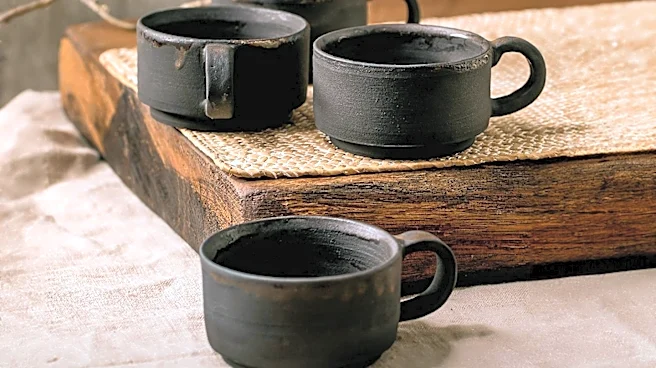
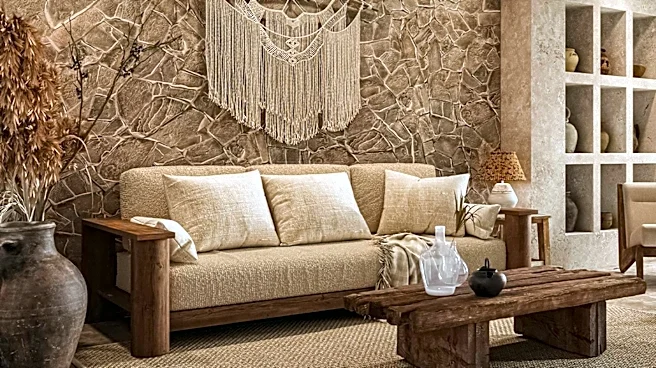
spaces. Key styles include neutral abstracts, one-line drawings, muted landscapes, and minimalist botanicals. The trend emphasizes calm and uncluttered looks, often utilizing colors like beige, cream, taupe, soft grey, black, and white, with minimal accent colors. The goal is to create a serene environment where art complements the room rather than dominating it. This style is seen as a deliberate choice to create impactful spaces with fewer, carefully selected pieces.
Why It's Important?
The resurgence of minimalism in art and interior design reflects a broader societal shift towards decluttering and intentional living. For U.S. consumers, this trend offers a way to create sophisticated and calming home environments without the visual noise often associated with maximalist styles. Businesses in the art, home decor, and furniture industries are adapting by offering products that align with this aesthetic, from large-format neutral prints to minimalist furniture designs. This focus on restraint can influence manufacturing processes, favoring sustainable materials and timeless designs over fleeting trends. The emphasis on negative space and deliberate placement also encourages consumers to invest in fewer, higher-quality pieces, potentially impacting retail strategies and marketing for home goods.
What's Next?
The minimalist trend is expected to continue influencing interior design and art markets. Consumers will likely see more offerings in neutral palettes and simple forms from retailers. Designers may further explore the integration of natural textures and organic shapes within minimalist frameworks to add warmth without sacrificing simplicity. The 'two-thirds rule' for art sizing, where a piece is roughly two-thirds the width of the furniture below it, will likely become a more common guideline for homeowners and designers. This suggests a continued demand for larger, singular art pieces rather than gallery walls, impacting production and sales of various art sizes and formats, including canvas, framed canvas, and metal prints.
Beyond the Headlines
Beyond its aesthetic appeal, the minimalist art movement can be seen as a response to the overwhelming visual information and consumerism prevalent in modern society. By advocating for less, it encourages a more mindful approach to consumption and design, potentially fostering a deeper appreciation for simplicity and quality. This philosophy extends beyond art to influence lifestyle choices, promoting mental clarity and reducing stress by creating serene personal spaces. The deliberate use of negative space in art can also be interpreted as a metaphor for creating mental 'white space' in daily life, encouraging reflection and focus in an increasingly busy world. This cultural shift towards valuing quiet and intentionality could have long-term implications for various industries, from wellness to technology, as products and services increasingly aim to simplify and streamline experiences.