




What's Happening?
General Motors (GM) has announced plans to launch new gas-powered Cadillac vehicles starting next spring, marking a shift away from its previous focus on all-electric vehicles. This decision comes as part of a broader strategy to adapt to slower-than-expected
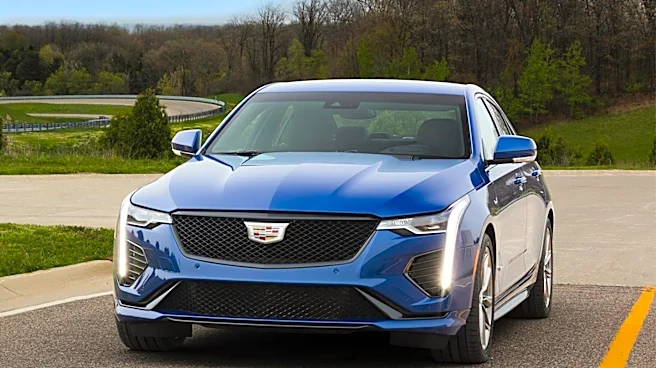
electric vehicle adoption and changes in U.S. regulatory standards that have eased emissions requirements and reduced support for electric vehicles. GM CEO Mary Barra revealed that the next-generation Cadillacs will include updated versions of the CT5 sedan, XT5 midsize SUV, and the previously discontinued XT6 SUV. These new internal combustion engine (ICE) vehicles will be launched alongside Cadillac's existing electric crossovers and Escalade SUV. The company has also recorded $10.9 billion in EV-related charges since the latter half of last year, reflecting the challenges faced in the electric vehicle market.
Why It's Important?
The announcement signifies a significant strategic pivot for GM, which had previously aimed for Cadillac to exclusively sell electric vehicles by the end of the decade. This shift highlights the challenges automakers face in transitioning to electric vehicles amid regulatory changes and market dynamics. The decision to increase production of gas-powered vehicles could impact the automotive industry's trajectory towards electrification, potentially slowing down the adoption of electric vehicles. It also underscores the importance of flexibility in manufacturing strategies, as GM plans to 'onshore significant manufacturing' by expanding production of full-size SUVs at a Michigan plant initially intended for EV production. This move could influence other automakers' strategies and affect the broader push for sustainable transportation solutions.
What's Next?
GM's decision to expand its gas-powered vehicle lineup may prompt reactions from environmental groups and policymakers advocating for stricter emissions standards and increased support for electric vehicles. The company will likely face scrutiny over its commitment to sustainability and its role in the automotive industry's transition to cleaner energy sources. Additionally, GM's plans to increase manufacturing in Michigan could have economic implications, potentially creating jobs and boosting local economies. The automotive industry will be closely watching GM's next steps, as the company's strategy could set a precedent for other manufacturers navigating the evolving landscape of vehicle production and environmental regulations.