







What's Happening?
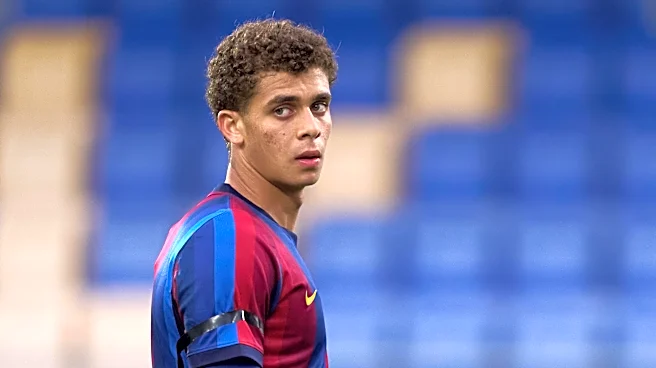
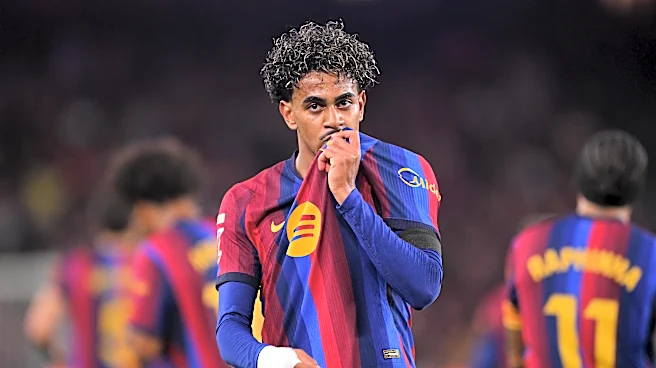
Barcelona's loan player manager, Bojan Krkic, has lauded teenage Egyptian starlet Hamza Abdelkarim, calling him an exciting talent with the potential to become one of the best strikers globally. Abdelkarim, who was included in Egypt's World Cup team,
has been identified as the nation's next big talent after Mohamed Salah. Despite the high praise, Hamza has seen limited playing time this season, featuring in only two La Liga matches for a total of 12 minutes. This reduced role comes after reports in the summer suggested Barcelona considered him as a main upfront option following the departures of Robert Lewandowski and Ferran Torres. However, the club ultimately opted to use Raphinha as a false nine, and the recent addition of Gabriel Jesus has further impacted Hamza's opportunities.
Why It's Important?
The situation surrounding Hamza Abdelkarim underscores the challenges young talents face in breaking into top-tier football clubs, even with significant potential. While Bojan Krkic's endorsement highlights the club's belief in his abilities, the lack of game time raises concerns about his development. For Barcelona, managing such promising players is crucial for long-term squad building and maintaining a competitive edge. The club's decision to retain Hamza despite his limited minutes indicates a strategic investment in his future, suggesting they view him as a valuable asset. However, if his playing time does not increase, it could lead to frustration for the player and potentially attract interest from other clubs looking to offer more immediate opportunities, impacting Barcelona's future talent retention.
What's Next?
The coming months are critical for Hamza Abdelkarim's future at Barcelona. While the club has ruled out a January exit and intends to keep him as part of the first-team, his playing time will be a key factor. Barcelona will need to find ways to integrate him more effectively into the squad or provide him with opportunities to gain experience, possibly through loan spells, to ensure his development. The player himself appears content for now, but this could change if his situation remains unchanged. The club's management of Hamza's career will be closely watched, as it reflects their strategy for nurturing young talent and balancing immediate team needs with long-term player development.
Beyond the Headlines
The narrative of Hamza Abdelkarim reflects a broader issue in professional football: the delicate balance between nurturing young talent and the immediate demands for success at elite clubs. While clubs invest heavily in scouting and developing promising players, the pressure to win often prioritizes experienced players or established stars. This can create a bottleneck for young players, even those with immense potential, leading to limited game time and potential stagnation. The ethical dimension involves ensuring that clubs provide adequate development pathways for these young athletes, rather than merely stockpiling talent. The long-term implications for player welfare and career progression are significant, as prolonged periods on the bench can hinder a player's growth and confidence, potentially impacting their overall career trajectory.