


What's Happening?
The Lamar Consolidated Independent School District (Lamar CISD) board has unanimously approved a tax break for Tesla's proposed $10 billion solar power manufacturing facility in Fort Bend County, Texas. This decision advances Tesla's application with
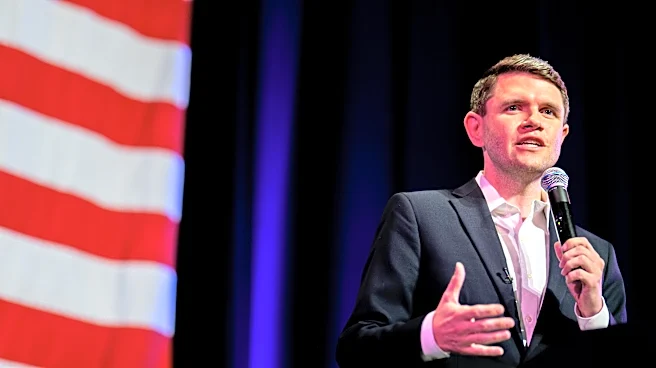
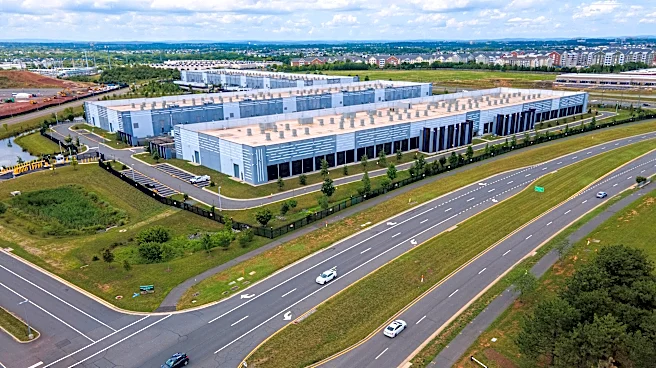
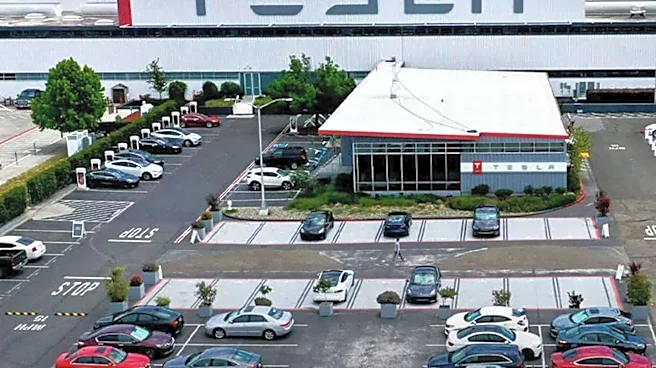
the state's Jobs, Energy, Technology and Innovation (JETI) program, which now awaits approval from Texas Governor Greg Abbott's office. The proposed facility, named Project Crystal Sun, would manufacture solar cells and panels for large-scale solar farms, commercial buildings, and residential installations. Under the agreement, Tesla's tax bill would be halved from 2029 through 2038. The Texas Comptroller's office estimates this would result in an estimated $115.2 million tax benefit for Tesla over 20 years. Despite the tax break, the project is projected to generate approximately $153 million in Lamar CISD taxes, compared to $268.3 million without the incentive. School Board President Jacci Hotzel supported the vote, citing the economic impact on the district.
Why It's Important?
This tax break approval is a significant development for both Fort Bend County and the broader U.S. renewable energy manufacturing sector. A $10 billion investment by Tesla in a solar cell factory would represent a substantial boost to the local economy, creating nearly 10,000 full-time jobs and an estimated $1.3 billion in direct annual compensation when fully operational. This influx of jobs and economic activity could transform the region, providing new career pathways for students and residents. For the U.S., this facility would enhance domestic manufacturing capabilities for solar technology, reducing reliance on foreign supply chains and strengthening energy independence. The project's focus on producing solar cells and panels for various applications aligns with national goals for expanding renewable energy infrastructure. While the tax break reduces immediate tax revenue for the school district, officials argue that the long-term economic benefits, including increased property values and a stronger tax base, outweigh the initial concession, potentially allowing the district to pay down debt and maintain its bond ratings.
What's Next?
With the Lamar CISD board's approval, Tesla's JETI application will now proceed to Texas Governor Greg Abbott's office for final approval. If approved, construction of Project Crystal Sun is anticipated to begin in 2026 and be completed by 2028. Tesla is currently evaluating two potential sites for this project, one in Texas and another undisclosed location, indicating that the final decision on the factory's location is contingent on securing favorable conditions. The project's progression will likely involve further discussions regarding infrastructure development, environmental impact, and community integration. Local stakeholders, including parents and residents, have raised concerns about potential impacts such as light pollution and water usage, which Tesla representatives have begun to address. The successful establishment of this facility could encourage other major technology and manufacturing companies to invest in similar projects in Texas, further solidifying the state's position as a hub for renewable energy production.
Beyond the Headlines
The debate surrounding this tax break highlights the complex balance between attracting large-scale industrial investments and ensuring equitable benefits for local communities. While the promise of thousands of jobs and significant economic growth is compelling, concerns from some residents about the environmental impact and the perceived cost to taxpayers underscore the need for transparent and comprehensive agreements. The project's potential to create a massive solar cell manufacturing hub in the U.S. has broader implications for national industrial policy, particularly in the context of global competition in renewable energy. It also raises questions about the long-term sustainability of relying on tax incentives to attract major corporations and the potential for such incentives to create a 'race to the bottom' among states. The outcome of this project could influence future strategies for economic development and the role of public-private partnerships in fostering technological advancement and job creation in the clean energy sector.