






What's Happening?
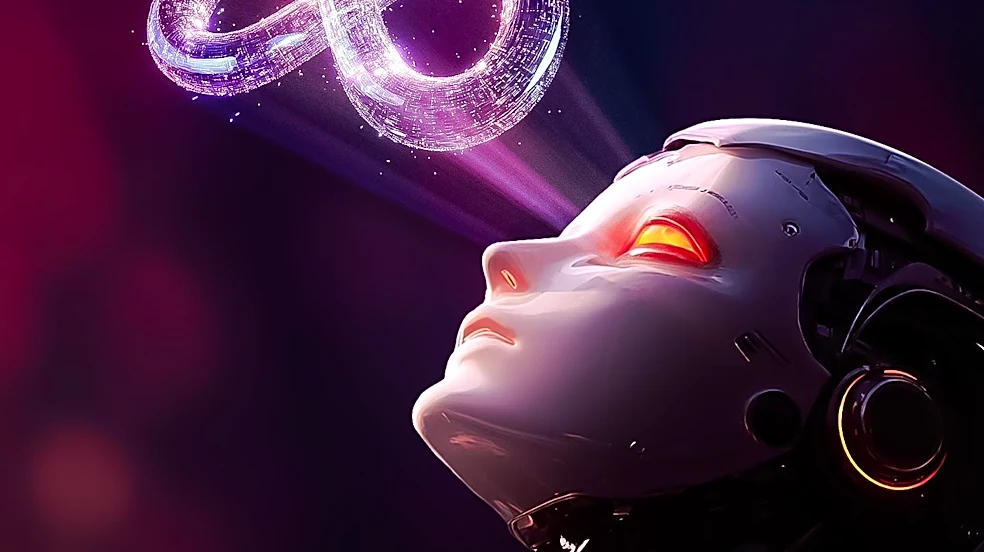
Tilly Norwood, an AI-generated actress created by production studio Particle6, recently participated in a live panel at the ANA conference in Orlando, Florida. Her appearance sparked discussions about the intersection of artificial intelligence and Hollywood,
as well as the evolving capabilities of AI in creative fields. Tilly, designed to be realistic yet distinct, engaged in an improvisational Q&A session, showcasing her ability to respond quickly and humorously. This event follows initial backlash from Hollywood upon her debut, highlighting ongoing industry debates about AI's role in replacing or augmenting human talent. Particle6 uses Tilly as a testbed to push AI technology, exploring how to create brand characters with unique personalities and opinions, and addressing biases in AI models.
Why It's Important?
Tilly Norwood's public appearance is important because it signifies a critical juncture in the integration of artificial intelligence into the entertainment and advertising industries. Her ability to engage in live, improvisational conversation challenges traditional notions of performance and creativity, potentially paving the way for new forms of digital entertainment and marketing. For Hollywood, this development raises questions about job security for human actors and the future of creative roles, prompting discussions on how to protect performers in an AI-driven landscape. In advertising, AI-generated personalities like Tilly could offer brands new avenues for ambassadorship, allowing for consistent messaging and global reach without the logistical complexities of human talent. This advancement also underscores the rapid progress in AI's ability to generate realistic and interactive content, pushing the boundaries of what is possible in media production and consumer engagement.
What's Next?
The continued development and public appearances of AI-generated figures like Tilly Norwood are likely to accelerate discussions within the entertainment and advertising industries regarding the ethical and practical implications of artificial intelligence. We can expect further debates on intellectual property rights for AI-created content, the need for regulations to distinguish AI from human performances, and potential union negotiations to protect human talent. Production studios and marketing agencies will likely explore more sophisticated applications of AI, from virtual brand ambassadors to AI-driven content creation, aiming for greater efficiency and personalization. The technology's evolution will also prompt ongoing efforts to refine AI models, addressing issues like bias and enhancing their ability to convey nuanced emotions and body language. This trajectory suggests a future where AI plays an increasingly prominent, yet carefully regulated, role in shaping how stories are told and products are marketed.
Beyond the Headlines
Beyond the immediate industry impact, Tilly Norwood's existence and public engagement delve into profound philosophical and societal questions about the nature of consciousness, authenticity, and human connection in an increasingly digital world. Her ability to mimic human interaction, humor, and even disagreement challenges our understanding of what it means to be 'real' and how we form relationships with non-human entities. This development could lead to a re-evaluation of ethical frameworks surrounding AI, particularly concerning its use in roles that traditionally require human empathy and creativity. Culturally, it might foster a new genre of entertainment where the lines between human and artificial performance blur, potentially influencing how audiences perceive and engage with media. The long-term implications could include shifts in societal norms regarding human-AI interaction, prompting discussions about the psychological effects of engaging with highly realistic AI and the potential for AI to reshape our understanding of identity and presence.