




What's Happening?
United Fidelity Bank, based in Evansville, Indiana, was closed by US regulators on Friday, making it the largest bank failure in the country in over two years. The bank held approximately $5.9 billion in assets. The Office of the Comptroller of the Currency
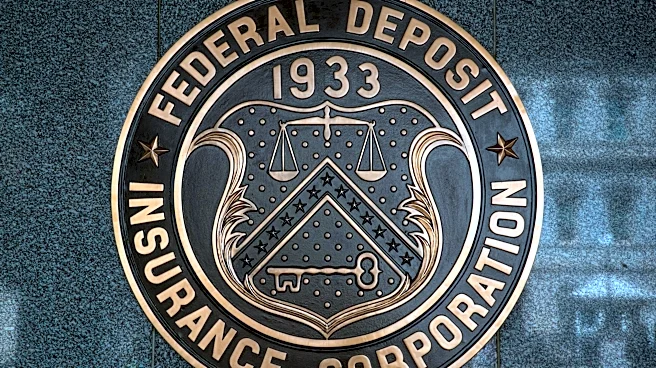
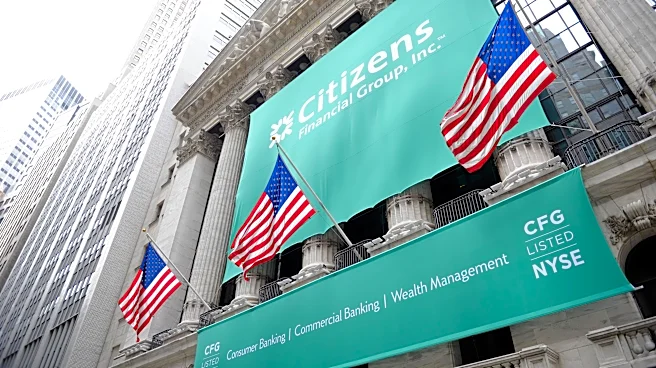
(OCC) shut down the bank and placed the Federal Deposit Insurance Corporation (FDIC) in charge. First Citizens Bank will acquire substantially all of United Fidelity's deposits and assets, including about $4.5 billion in deposits and $3.1 billion in loans. The 22 branches of United Fidelity will reopen as First Citizens branches, and customers' funds remain insured. This failure is the seventh US bank failure this year and the largest since Republic First Bank's collapse in April 2024.
Why It's Important?
The failure of United Fidelity Bank, despite its assets being absorbed by First Citizens Bank, highlights ongoing vulnerabilities within the U.S. banking sector. While the FDIC's swift action to ensure deposit protection and continuity of services aims to prevent broader financial instability, the estimated $1.83 billion cost to the Deposit Insurance Fund underscores the financial burden of such failures. This event could prompt increased scrutiny from regulators on other regional banks, potentially leading to tighter lending standards or more rigorous stress tests. For consumers, while deposits are insured, bank failures can cause temporary disruptions and erode confidence in smaller financial institutions. The incident also serves as a reminder of the importance of robust regulatory oversight in maintaining the stability of the financial system.
What's Next?
United Fidelity Bank's branches will transition to First Citizens Bank, ensuring that customers can continue to access their accounts and services without interruption. The FDIC will manage the financial implications of the failure, including the estimated cost to its Deposit Insurance Fund. Regulators may conduct further investigations into the causes of United Fidelity's collapse, which could lead to policy adjustments or increased oversight for similar institutions. The banking industry will likely observe how this acquisition integrates and whether it signals a trend of consolidation among regional banks. The event could also influence market sentiment towards other mid-sized banks, potentially affecting their stock performance or access to capital.
Beyond the Headlines
The failure of United Fidelity Bank, following other recent bank collapses, raises deeper questions about the resilience of certain segments of the U.S. banking system, particularly in the face of economic shifts or specific institutional challenges. While the immediate impact is contained by FDIC insurance and the acquisition by First Citizens, the underlying causes of such failures—which the FDIC statement did not specify—could point to broader systemic issues. These might include exposure to particular asset classes, inadequate risk management, or competitive pressures from larger financial institutions. Understanding these deeper implications is crucial for policymakers to prevent future failures and ensure the long-term health and stability of the financial sector, especially for community and regional banks that play a vital role in local economies.