



What's Happening?
Gardening Know How has published an article detailing the complex legal landscape surrounding burning yard waste on private property in the U.S. The legality of backyard burning is not uniform and depends entirely on state, county, and city ordinances,
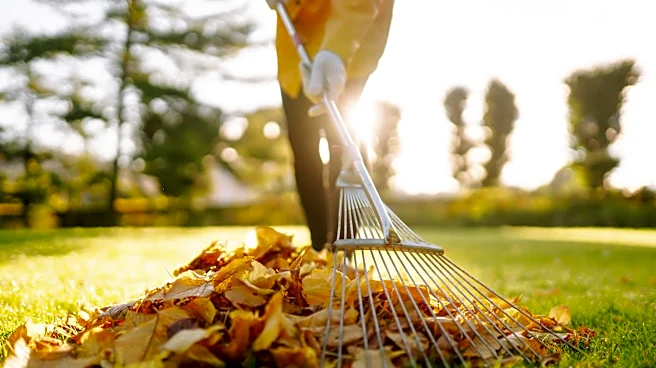
as well as current weather and fire-danger conditions. Many cities have outright bans on open burning due to air quality concerns, while other areas may allow it with seasonal restrictions, specific material size limits (e.g., 6x6 foot piles), setback requirements from buildings and roads, and time-of-day restrictions. Generally, only dry, natural vegetation from one's property, such as leaves, brush, limbs, grass clippings, and clean wood, can be burned where permitted. Prohibited items universally include personal garbage, paper, plastics, rubber, tires, painted or treated wood, construction debris, and chemicals, due to the release of dangerous toxins. Violations can lead to severe consequences, including monetary penalties ranging from $100 to $10,000, cost recovery for fire department expenses, misdemeanor criminal charges, and civil liability for property damage.
Why It's Important?
This information is crucial for U.S. homeowners as it clarifies the significant legal and environmental risks associated with improper yard waste disposal. The patchwork of regulations means that what is permissible in one locality may be illegal in another, making it imperative for individuals to check local ordinances. The potential for substantial fines, criminal charges, and liability for wildfire damage underscores the seriousness of these regulations. Beyond legal ramifications, the article highlights the environmental impact of burning, particularly the release of fine particulate matter, carbon monoxide, nitrogen oxides, and toxic smoke, which contribute to air pollution and health issues. By outlining safer alternatives like composting and mulching, Gardening Know How promotes environmentally responsible practices that enrich garden soil and reduce waste, offering practical solutions that benefit both individual properties and the broader community.
What's Next?
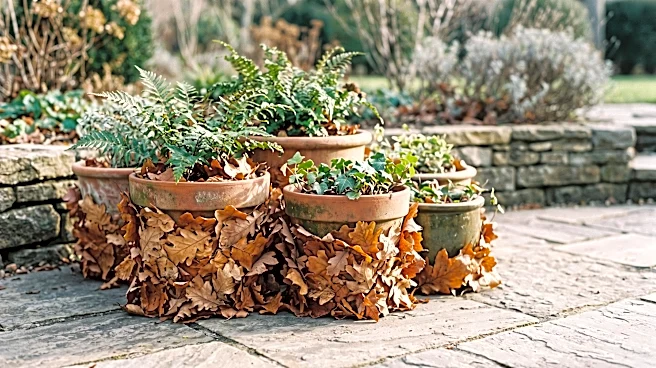
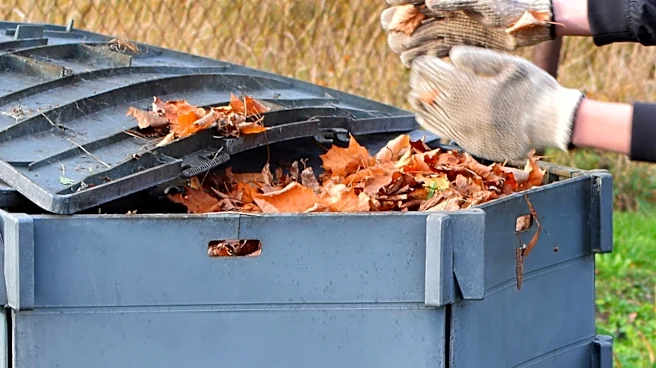
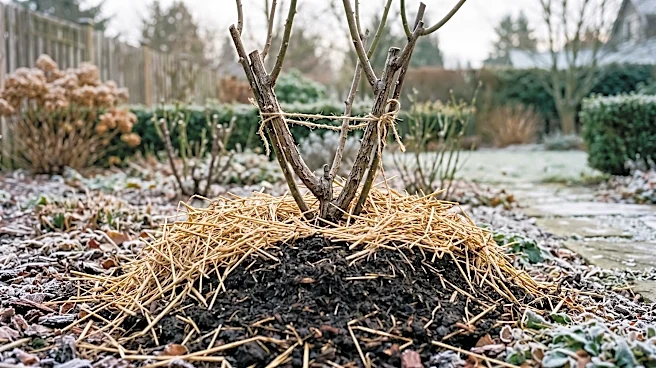
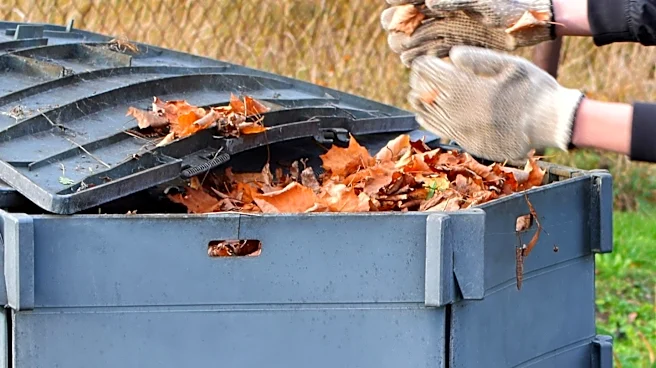
Homeowners are strongly advised to consult their local state, county, and city authorities, or a local landscape professional, before considering burning yard waste. The article encourages the adoption of alternative disposal methods, such as shredding yard debris for compost or mulch, which enriches soil and reduces the need for synthetic products. Many cities also offer 'compost' or green waste pickup services, providing a convenient and eco-friendly option. The ongoing emphasis on air quality and fire safety means that regulations around yard waste burning are likely to remain stringent, and potentially become even more restrictive in the future, especially in areas prone to drought and wildfires. Educating the public on these rules and promoting sustainable alternatives will be a continuous effort by gardening resources and local governments.
Beyond the Headlines
The issue of yard waste burning extends beyond individual property lines, touching upon broader public health and environmental policy. The varying regulations reflect different community priorities, balancing individual convenience with collective concerns about air quality, public safety, and environmental protection. The article implicitly advocates for a shift towards more sustainable waste management practices, moving away from combustion towards methods that return organic matter to the soil. This aligns with principles of circular economy and ecological gardening, where waste is viewed as a resource. The legal consequences for non-compliance also highlight the state's role in enforcing environmental standards and protecting public welfare. Ultimately, the guidance provided encourages a more informed and responsible approach to land management, fostering healthier communities and ecosystems.