


What's Happening?
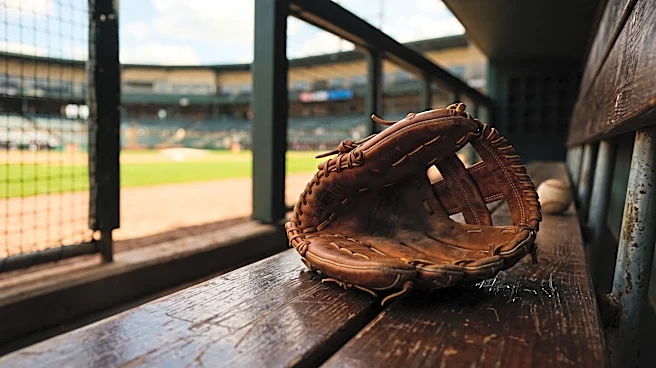
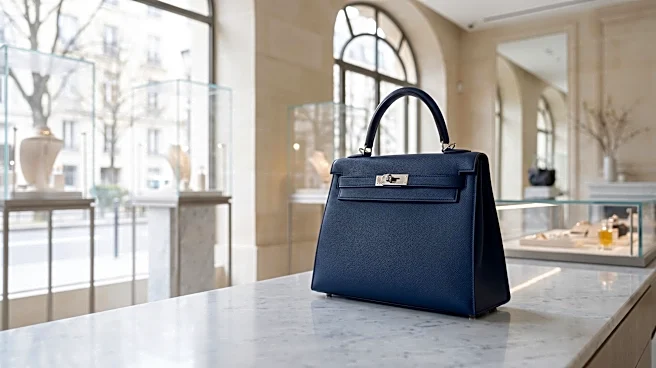
Zara Terez Tisch, founder of the New York City-based fashion sportswear company Terez, shared her journey of building the brand from a handbag company started in her parents' home at age 22 to a fashion sportswear entity with partnerships including Major
League Baseball. Initially creating handbags with unique interiors, Tisch transitioned to activewear in 2012, utilizing spandex linings from her bags to produce leggings. This shift led to significant growth, particularly among tweens and teens, with Terez becoming a key brand in the expanding activewear market. The company further evolved by opening its first physical store in 2022, which unexpectedly led to a partnership with MLB to design women's fan apparel. This collaboration marked a new chapter, tripling the company's revenue and expanding its reach into professional sports channels. Tisch also reflected on business efficiency, noting that a smaller, dedicated team proved more effective than a larger one during a period of rapid growth.
Why It's Important?
This story highlights the dynamic nature of the fashion industry and the potential for brands to pivot and innovate to achieve significant growth. Terez's evolution from handbags to activewear and then into licensed sports apparel demonstrates a successful strategy of identifying market gaps and adapting product offerings. The partnership with Major League Baseball is particularly significant, as it addresses an underserved segment in sports merchandise—fashion-forward women's fan wear. This move not only boosted Terez's revenue but also set a precedent for how fashion brands can integrate with major sports leagues, potentially influencing other brands to explore similar collaborations. The narrative also offers insights into entrepreneurial challenges, such as managing growth and team efficiency, providing valuable lessons for small and medium-sized businesses in the U.S. fashion sector.
What's Next?
Terez is expected to continue leveraging its partnerships with professional sports teams and leagues, further expanding its presence in the sports fashion market. The brand's success with MLB may lead to collaborations with other major sports organizations, broadening its customer base and product lines. The company will likely continue to sell through its own website, its Upper East Side store, licensed sports channels, and fashion retail partners like Revolve. Future developments could include expanding its physical retail footprint or exploring new product categories within the sportswear domain. The emphasis on a lean, dedicated team suggests a focus on sustainable growth and maintaining brand integrity, rather than rapid, unmanaged expansion.
Beyond the Headlines
The Terez story reflects broader trends in consumer behavior, where the lines between fashion, activewear, and lifestyle are increasingly blurred. The demand for stylish yet functional clothing, even in niche markets like sports fan apparel, indicates a shift in consumer expectations. Furthermore, Zara Terez Tisch's decision to bring manufacturing back to New York, influenced by her father's experience with overseas production, speaks to a growing movement towards local production and ethical sourcing within the U.S. fashion industry. This commitment to domestic manufacturing can have positive implications for local economies and job creation, while also allowing for greater quality control and responsiveness to market trends. The brand's success also underscores the power of unexpected opportunities, such as the chance encounter in their store that led to the MLB partnership, highlighting the importance of customer engagement and networking in business development.