






What's Happening?
As October arrives, gardeners across the U.S. are advised to focus on specific tasks to prepare for cooler weather and ensure healthy plants. Key recommendations include planting cold-hardy annuals such as pansies, Johnny-jump-ups (violas), snapdragons,
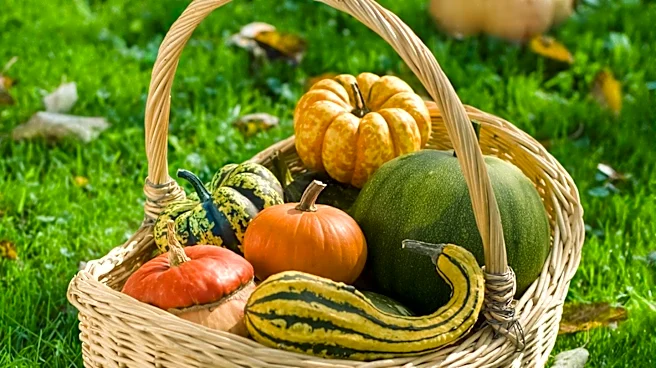
ornamental cabbage, and kale, which can provide color through fall, winter, and spring. For those looking ahead to spring blooms, purchasing daffodils, tulips, and crocuses is recommended, with instructions to store them in a cool place below 60°F until soil temperatures drop sufficiently for planting. Lawn care in October involves mowing fescue lawns to 2.5 to 3 inches and ensuring they receive one inch of water weekly. Warm-season lawns like centipede, St. Augustine, zoysia, and Bermuda grass should be treated for fungal diseases such as Large Patch, with fungicide applications suggested for mid-October and early November. Additionally, fire ant bait should be applied in late September or early October, with a second application in late May or early June, broadcasting the bait for optimal results. For fall decorating, gardeners should select mums in bud for longer-lasting flowers and avoid pumpkins with splits or soft spots, carrying them by the arms to prevent stem breakage.
Why It's Important?
These October gardening tips are crucial for maintaining plant health, ensuring vibrant displays, and preparing landscapes for the colder months. Proper planting of cold-hardy annuals extends the gardening season, providing continuous aesthetic appeal when many other plants have faded. Strategic planting of spring-flowering bulbs now guarantees a colorful resurgence in the coming year, impacting local nurseries and garden centers as consumers purchase these items. Effective lawn care, including appropriate mowing heights and fungal treatments, is vital for preventing widespread turf damage and costly remediation in the spring. Addressing fire ant populations proactively protects both residential and agricultural areas from these invasive pests, which can cause significant ecological and economic harm. Furthermore, the advice on selecting and caring for fall decorations like mums and pumpkins supports local businesses that supply these seasonal items and helps consumers maximize their enjoyment of fall aesthetics. Adhering to these guidelines helps gardeners optimize their efforts, reduce future problems, and contribute to healthier local ecosystems.
What's Next?
Gardeners should continue to monitor local weather conditions, particularly soil temperatures, to determine the optimal time for planting spring-flowering bulbs, typically when temperatures remain below 60°F. For warm-season lawns, the second application of fungicide for Large Patch disease is scheduled for early November, requiring continued vigilance. Those who applied fire ant bait in late September or early October will need to plan for a follow-up application in late May or early June of the following year. As temperatures continue to drop, gardeners will also need to prepare houseplants for indoor relocation, inspecting them for pests before bringing them inside. Additionally, soil testing is recommended in October to allow sufficient time for any necessary amendments, such as lime, to take effect before the spring growing season. These ongoing tasks ensure a smooth transition through the seasons and set the stage for successful gardening in the coming year.
Beyond the Headlines
The emphasis on seasonal gardening practices in October highlights a broader connection between human activity and natural cycles. These recommendations reflect a deep understanding of plant biology and local ecological conditions, promoting sustainable gardening practices that minimize waste and maximize natural beauty. The advice to choose mums in bud and handle pumpkins carefully, for instance, subtly encourages a more mindful consumption of seasonal decor, potentially reducing premature spoilage and waste. The focus on soil testing and pest management, particularly for fire ants, underscores the importance of ecological balance and proactive environmental stewardship in residential landscapes. This seasonal guidance also fosters a sense of community among gardeners, as shared knowledge and practices contribute to healthier, more resilient local environments. Ultimately, these tips are not just about individual gardens but about cultivating a more harmonious relationship with the natural world.