



What's Happening?
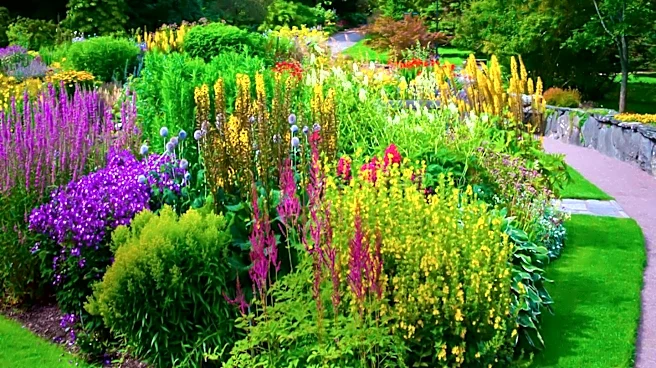
As fall approaches in the Western U.S., gardeners are advised to focus on specific practices to ensure the success of their gardens, particularly in drought-prone regions. Key recommendations include planting drought-tolerant Western natives such as California
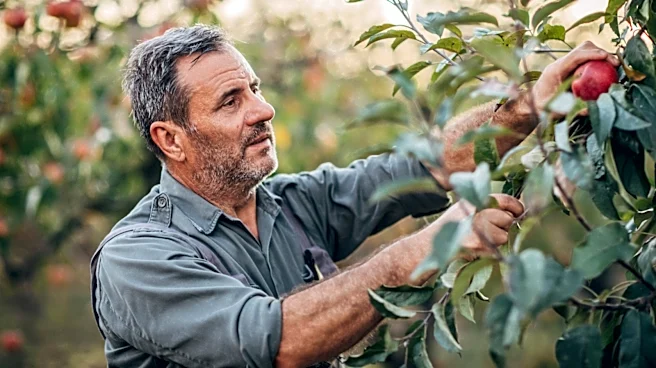
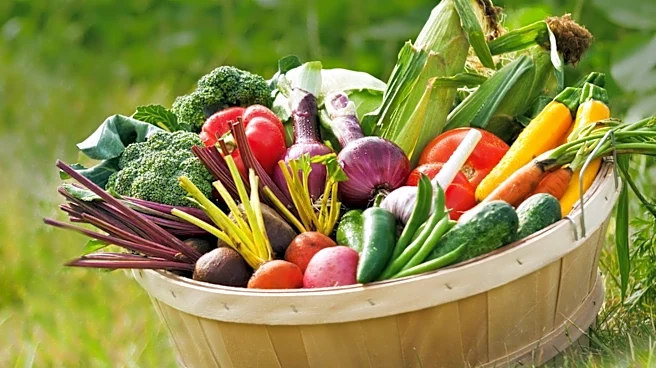
lilac and foothill penstemon in gravel gardens, which benefit from cooler temperatures to establish roots. Experimenting with food forest understories by planting species like comfrey and walking onions is suggested to improve soil health and suppress weeds. The article also promotes the use of living mulches like creeping thyme and clover pathways as climate-smart alternatives to traditional bark mulch, helping to cool soil and suppress weeds. For harvesting, tending a backyard tea garden with herbs like lemon verbena and chamomile is recommended, along with dividing fall bulbs and perennials to refresh crowded plantings. Additionally, transforming early autumn produce into lacto-fermented preserves is highlighted as a way to extend the season's harvest.
Why It's Important?
These gardening practices are crucial for residents in the Western U.S. due to the region's susceptibility to drought and climate stress. By prioritizing drought-tolerant plants and water-wise landscaping techniques, gardeners can significantly reduce water consumption, contributing to regional conservation efforts. The emphasis on improving soil health through food forest understories and living mulches supports ecological resilience, making gardens more robust against environmental challenges. This approach also promotes biodiversity and creates healthier ecosystems within urban and suburban areas. For homeowners, these methods can lead to lower maintenance requirements and reduced costs associated with water and plant replacement. The focus on seasonal harvesting and preservation techniques also encourages self-sufficiency and a deeper connection to local food systems, aligning with broader trends in sustainable living and food security.
What's Next?
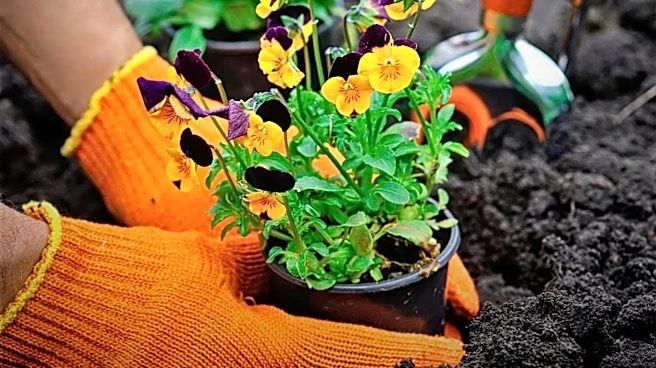
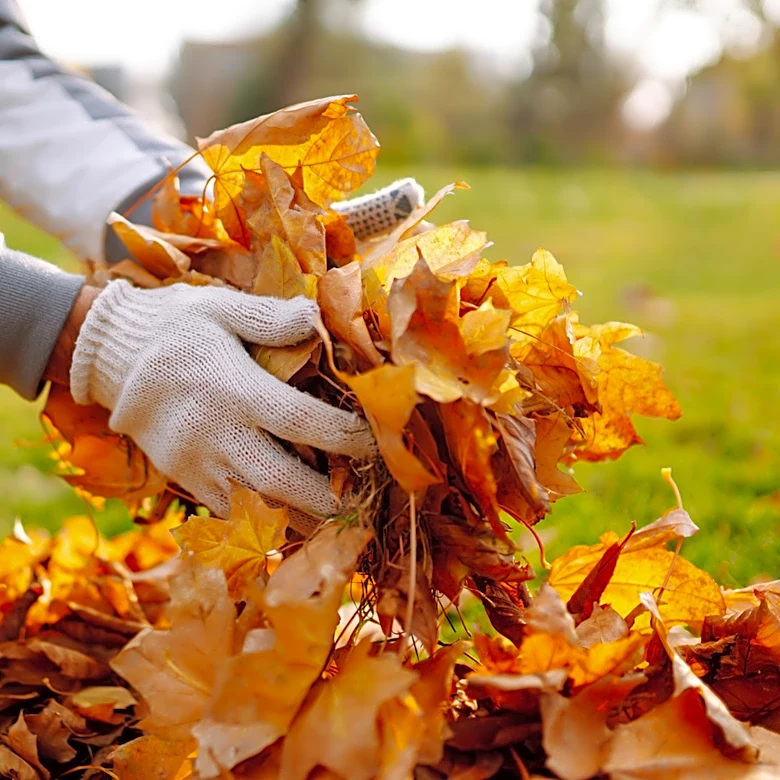
Gardeners in the Western U.S. are encouraged to implement these fall strategies to prepare their gardens for the upcoming seasons. This includes planning for new plantings of drought-tolerant species, establishing living mulches, and tending to existing plants through division and harvesting. The article also suggests embracing 'wabi-sabi' gardening, which involves allowing natural decay and celebrating imperfections, reducing the need for constant cleanup. Extending outdoor living spaces into colder months with elements like fire bowls and sheltered reading nooks is also recommended to maximize garden utility year-round. Furthermore, protecting plants from smoke and heat through practices like kelp sprays and deep watering, and shaping living windbreaks with climate-adaptive layers, will be ongoing tasks to ensure plant health and resilience against environmental stressors.
Beyond the Headlines
The recommendations for fall gardening in the Western U.S. reflect a growing awareness of climate change impacts and the need for adaptive horticultural practices. The shift towards drought-tolerant plants, regenerative gardening, and climate-smart alternatives like living mulches signifies a move away from traditional, resource-intensive gardening methods. This evolution in gardening philosophy has broader implications for urban planning and landscape design, encouraging the creation of more sustainable and resilient green spaces. It also highlights a cultural shift towards embracing natural processes and imperfections in gardening, fostering a deeper appreciation for ecological balance. The integration of practices like fermentation and backyard tea gardens further underscores a desire for self-sufficiency and a connection to the natural world, moving beyond mere aesthetics to functional and environmentally conscious gardening.