





What's Happening?
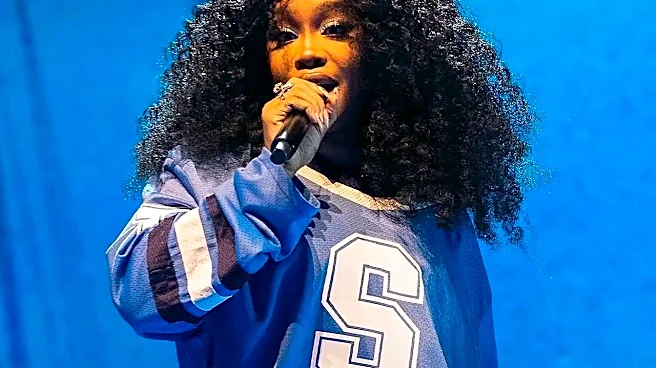
SZA, the Grammy-winning R&B singer, recently purchased a sculpture from artist Adam Nassih after encountering an online commenter who criticized Nassih's colorful balloon animal sculptures. The commenter challenged others to buy Nassih's work, even offering
to match a purchase. SZA responded to this challenge by acquiring one of Nassih's pieces. She shared the interaction on Instagram, explaining that she saw the commenter's threat and decided to "call the bluff" by requesting the artist's most expensive piece, though she ultimately bought a smaller sculpture. SZA used the opportunity to comment on the cost of negativity, stating, "Being a hater gets expensive, ain't it?" This act highlights her support for fellow artists and her use of her platform to uplift creatives.
Why It's Important?
This event underscores the growing influence of social media in shaping public discourse around art and the potential for celebrity engagement to directly impact artists' careers. SZA's decision to purchase Nassih's work, prompted by an online detractor, not only provided financial support to the artist but also brought significant public attention to his creations. This act can serve as a powerful example of how public figures can leverage their platforms to counter online negativity and foster a more supportive environment for artists. It also highlights the double-edged sword of online commentary, where criticism, even if intended to be disparaging, can inadvertently lead to unexpected opportunities and increased visibility for the targeted individual or their work. For artists, this demonstrates the unpredictable nature of online engagement and the potential for viral moments to translate into tangible support.
What's Next?
While the immediate impact is increased visibility for Adam Nassih's art, the long-term effects could include a broader conversation about the role of online criticism in the art world and the responsibility of public figures in responding to such interactions. Other celebrities might be inspired to follow SZA's lead, using their influence to support artists who face online backlash. This could lead to a trend of direct patronage and public endorsements, potentially shifting how emerging artists gain recognition. Furthermore, the incident might encourage more nuanced discussions about the value of art and the subjective nature of aesthetic judgment, moving beyond simplistic online critiques. The commenter's follow-through on their offer to match the purchase remains unclear, but the primary outcome is the positive exposure and support for Nassih.
Beyond the Headlines
Beyond the immediate transaction, this incident touches upon deeper themes of artistic validation, the power dynamics of online communities, and the evolving landscape of art patronage. In an era where online opinions can quickly amplify or diminish an artist's standing, SZA's intervention serves as a counter-narrative, asserting the value of artistic expression against casual dismissal. It also raises questions about the ethical implications of online challenges and whether negative attention, when strategically countered, can be transformed into a positive force. This event could contribute to a cultural shift where artists and their supporters actively reclaim narratives from online detractors, fostering a more resilient and supportive creative ecosystem. It also highlights the potential for unexpected alliances and acts of solidarity within the creative community, transcending traditional boundaries between different artistic disciplines.