






What's Happening?
United Launch Alliance (ULA) has named Mark Peller as its new President and Chief Executive Officer, effective immediately. Peller, who previously served as the company's Chief Operating Officer, has a long history with ULA and its predecessor companies,
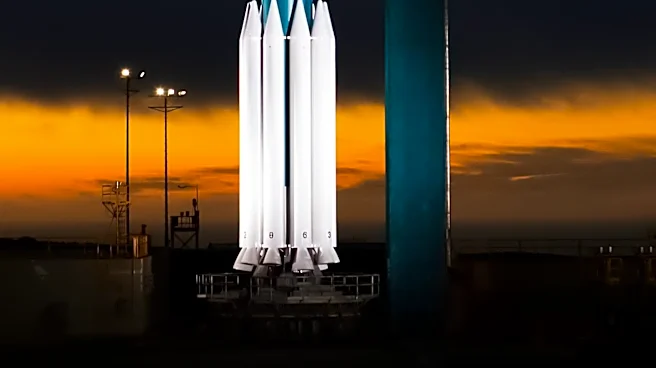
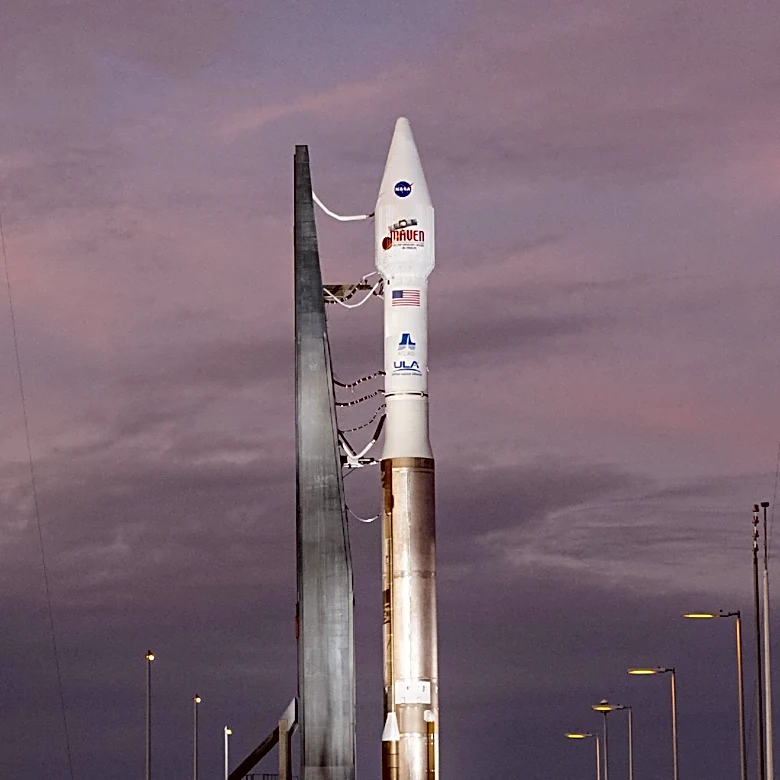
spanning over 35 years. He joined Rockwell International in 1990, later moving to Boeing's Delta launch vehicle programs before the formation of ULA. Peller succeeds John Elbon, who had been serving as interim CEO since December following the abrupt departure of longtime CEO Tory Bruno. Elbon will now retire at the end of the year. The appointment comes as ULA faces significant challenges with its Vulcan rocket program, including a performance anomaly in a solid rocket booster during a February launch and an explosion involving a BE-4 engine from Blue Origin, which powers the Vulcan.
Why It's Important?
The leadership change at ULA is critical given the company's pivotal role in U.S. national security and space exploration missions. ULA, a joint venture of Boeing and Lockheed Martin, is a key provider of launch services for the U.S. government. The ongoing issues with the Vulcan rocket, particularly the solid rocket booster anomaly and the BE-4 engine problems, have led to launch delays and financial pressures. Lockheed Martin and Boeing have both guaranteed $500 million in loans to ULA due to these performance challenges. Peller's extensive technical background and deep understanding of ULA's operations are expected to be crucial in navigating these complex technical and financial hurdles, ensuring the reliability and timely deployment of critical U.S. space assets.
What's Next?
Mark Peller's immediate focus will likely be on resolving the technical issues plaguing the Vulcan rocket. Northrop Grumman, the producer of Vulcan's solid rocket boosters, has indicated that redesigned motors may not be delivered until the end of the year, potentially extending the Vulcan's grounding. Blue Origin is also implementing modifications to the BE-4 engine's liquid oxygen valve following an explosion during a static-fire test. ULA had initially planned 16 to 18 Vulcan launches in 2026, a schedule now significantly impacted. The company's ability to address these technical challenges and resume regular Vulcan launches will be critical for its financial stability and its commitments to national security and commercial clients. John Elbon's retirement at year-end will mark the completion of the leadership transition.
Beyond the Headlines
The challenges faced by ULA with its Vulcan rocket highlight broader issues within the U.S. space launch industry, particularly the reliance on complex supply chains and the inherent risks of developing new launch technologies. The financial guarantees from Boeing and Lockheed Martin underscore the strategic importance of ULA to both parent companies and to national interests. The situation also reflects the intense competition in the space launch sector, with new entrants and established players vying for contracts. The successful resolution of Vulcan's issues under Peller's leadership will not only secure ULA's future but also reinforce the U.S.'s independent access to space, a critical component of its national security and scientific endeavors.