






What's Happening?
JPMorgan Chase (NYSE:JPM) has observed a significant 40% surge in alternative asset allocations within its Asia-Pacific wealth management division. This increase is primarily driven by ultra-wealthy clients seeking exposure to large infrastructure projects
linked to artificial intelligence (AI), electrification, and energy security. The global bank, with $5.1 trillion in assets and $372 billion in stockholders’ equity as of September 30, 2026, provides a wide array of financial services, including investment banking and asset management. This trend aligns with the bank's existing narrative of growth in its Wealth and Asset Management units and its Security and Resiliency financing program. The demand for these less liquid, longer-horizon assets is expected to bolster fee-based revenue across these units.
Why It's Important?
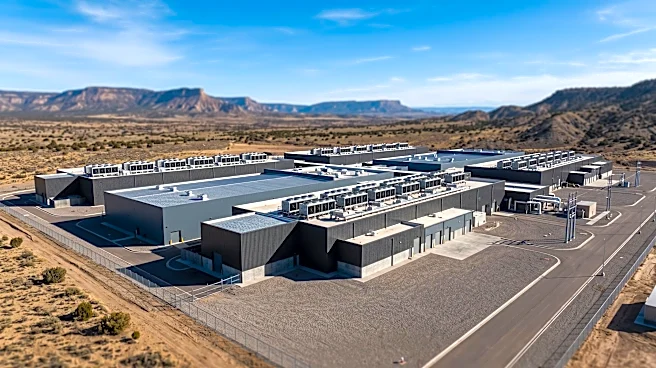
This development is crucial for JPMorgan Chase as it indicates a strong and growing appetite among ultra-wealthy clients for alternative investments, particularly those tied to emerging technological and energy infrastructure. The focus on AI data centers, power grid upgrades, and energy security projects highlights a shift in investment priorities towards long-term, strategic assets. For JPMorgan Chase, consistent inflows into these AI and infrastructure-focused vehicles could establish a durable revenue pillar, rather than a short-lived theme. This trend also signals where long-term risk appetite currently resides, potentially influencing broader market trends and investment strategies across the financial sector. The bank's ability to cater to this demand through its global reach and institutional-style alternative deals positions it to capitalize on these significant market shifts.
What's Next?
The immediate focus for JPMorgan Chase will be to monitor whether this growth in client assets in alternatives, especially in the Asia-Pacific region, is sustained over the coming reporting periods. Consistent inflows into AI and infrastructure-focused investment vehicles will be the clearest indicator of this trend's long-term viability as a revenue driver. The bank will likely continue to develop and offer investment products tailored to these themes to meet the evolving demands of its ultra-wealthy clientele. Analysts will also be closely watching how the rising expenses, including increased technology and AI-related spending, impact the bank's overall profitability in light of these new revenue streams. The success of this strategy could influence other global financial institutions to similarly pivot towards AI and energy infrastructure-linked alternative investments.
Beyond the Headlines
The significant allocation of ultra-wealthy capital into AI and energy security infrastructure projects reflects a deeper societal and economic transformation. This trend underscores the increasing recognition of AI as a foundational technology requiring substantial physical infrastructure, and the critical importance of energy security and sustainable electrification in a rapidly changing global landscape. The willingness of high-net-worth individuals to commit to less liquid, longer-horizon assets suggests a long-term conviction in these sectors, potentially accelerating innovation and development in AI and green energy. This could also lead to a re-evaluation of traditional investment portfolios, with a greater emphasis on tangible assets that support future technological and environmental needs. The ethical implications of AI development and the environmental impact of large-scale infrastructure projects will also become increasingly relevant as these investments grow.