


What's Happening?
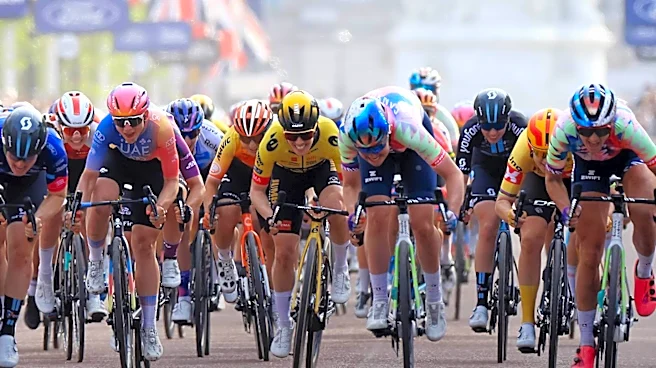
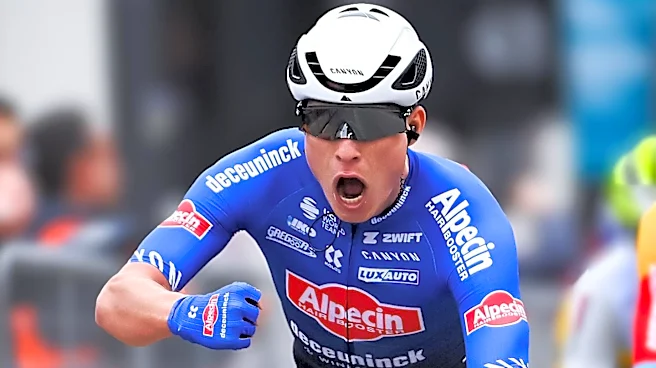
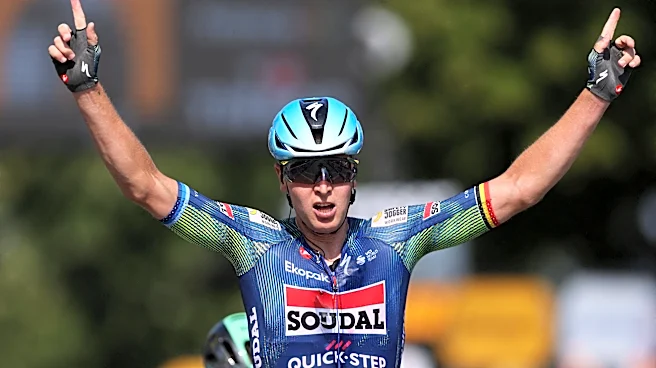
Belgian cyclist Tim Merlier achieved a significant milestone by winning his second consecutive stage at the Tour de France. The victory came during the eighth stage, a 180.4-kilometer route from Perigueux to Bergerac, where Merlier managed to overtake
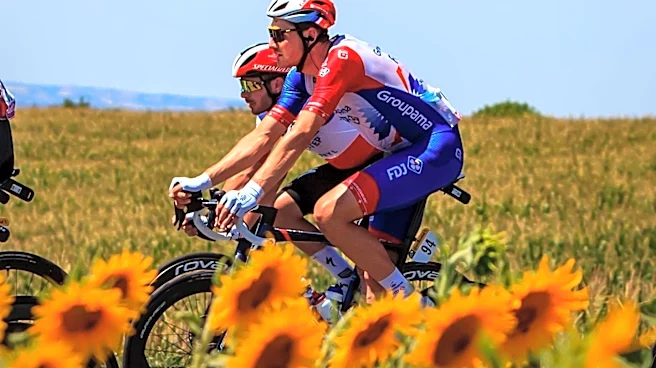
fellow Belgian Liam Slock in the final 1.5 kilometers. This win marks Merlier's fifth career stage victory and makes him the first cyclist in three years to secure back-to-back stage wins at the Tour. The race took place under extreme heat conditions, with temperatures reaching 97 degrees Fahrenheit, prompting organizers to alter the course for the upcoming ninth stage to ensure safety under a red heatwave alert.
Why It's Important?
Merlier's consecutive victories highlight his prowess as a sprinter and add to his growing reputation in the cycling world. The extreme weather conditions during the race underscore the challenges athletes face due to climate change, affecting not only their performance but also the logistics of major sporting events. The decision to shorten the next stage reflects the increasing need for adaptability in sports management in response to environmental factors. This situation also brings attention to the broader implications of climate change on international sporting events, potentially influencing future race planning and athlete preparation.
What's Next?
The Tour de France will continue with a modified ninth stage, reduced from 185.5 to 155.5 kilometers, running from Malemort to Ussel. This adjustment aims to mitigate the risks posed by the ongoing heatwave. As the race progresses, competitors like Tadej Pogacar and Jonas Vingegaard will continue to vie for the overall lead, with Pogacar currently holding the yellow jersey. The ongoing heatwave may lead to further course adjustments, and athletes will need to strategize accordingly to maintain their performance under challenging conditions.