







What's Happening?
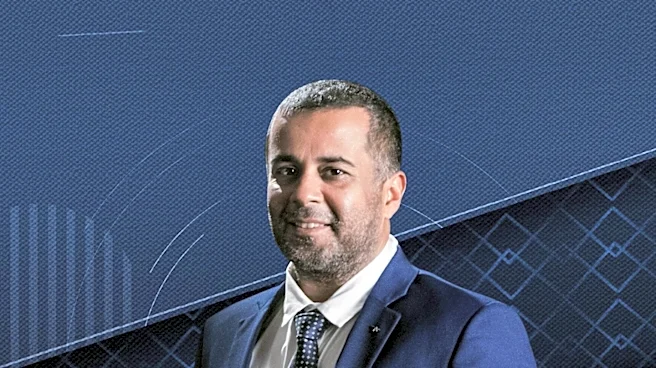
The integration of artificial intelligence in wealth management is transforming the industry by automating technical tasks and commoditizing portfolio management. Anthony Villis, co-founder of First Wealth, highlights the growing importance of emotional
intelligence in financial advising as AI becomes more prevalent. While AI can enhance efficiency and data analysis, it cannot replace the human touch required for understanding client needs and building relationships. The industry faces challenges in training new advisors as AI takes over entry-level tasks, potentially impacting the development of experienced professionals.
Why It's Important?
The shift towards AI in wealth management has significant implications for the industry. While AI can streamline processes and reduce costs, it also risks devaluing the human elements that differentiate financial advisors. The reliance on AI could lead to a loss of talent development opportunities, as junior advisors miss out on foundational experiences. This could result in a shortage of skilled professionals capable of providing personalized advice. Additionally, the emergence of a premium market for non-AI services highlights a growing demand for human-centric financial planning, emphasizing the need for a balanced approach.
Beyond the Headlines
The increasing use of AI in wealth management raises ethical and regulatory concerns. Firms must ensure that AI-generated insights are accurate and reliable, as errors could have significant financial and legal consequences. The industry must also address the potential for AI to exacerbate inequalities, as access to human advisors may become a luxury. As AI continues to evolve, wealth management firms will need to navigate these challenges while maintaining the integrity and trust that clients expect. The future of the industry will likely involve a hybrid model that leverages AI for efficiency while preserving the human elements that are essential to client relationships.