





What's Happening?
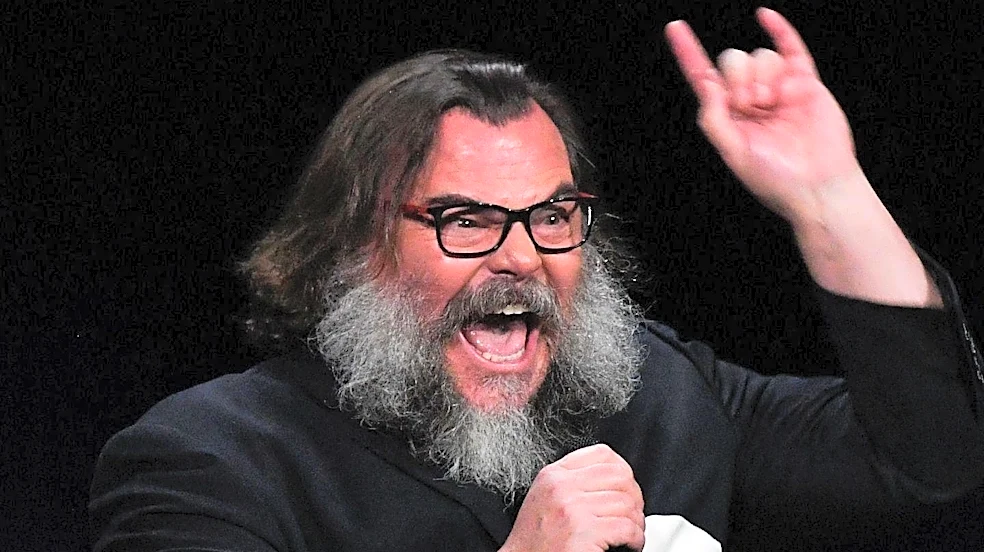
Actor and musician Jack Black initially declined a role in the 2000 film 'High Fidelity' due to concerns it would negatively affect his burgeoning music career with Tenacious D. Black was offered the part of Barry, a music critic, in the adaptation of Nick
Hornby's novel. He expressed apprehension about portraying a character who criticized rock and roll, believing it could be counterproductive to his image as a rock musician. At the time, Tenacious D was gaining traction, opening for bands like Beck and Pearl Jam. Black feared that playing a character who 'slagged off' music might be perceived poorly by his musical peers and audience, even though it was just an acting role. His friend, John Cusack, encouraged him to take the role, highlighting its suitability. Ultimately, Black was persuaded to accept the part for two main reasons: his admiration for director Stephen Frears and a strong intervention from his agent, who reportedly called him 'insane' for considering passing on the opportunity.
Why It's Important?
This decision point in Jack Black's career highlights the complex interplay between an artist's different creative pursuits and public perception. For actors who are also musicians, the roles they choose can significantly influence how their musical endeavors are received. Black's initial hesitation underscores the strategic considerations artists make to maintain authenticity and credibility across various platforms. His eventual acceptance of the role in 'High Fidelity' proved to be a pivotal moment, showcasing his versatility as an actor and ultimately not hindering his music career. The film became a cult classic, and Black's performance as Barry is often cited as one of his memorable early roles, demonstrating that sometimes taking a perceived risk can lead to broader artistic success and recognition. This scenario also illustrates the crucial role of agents in guiding artists' career choices, sometimes pushing them beyond their initial comfort zones for long-term benefit.
What's Next?
While this event is historical, its implications for artists navigating dual careers remain relevant. For contemporary actors and musicians, the challenge of balancing different artistic identities persists. Future developments might see more artists openly discussing these internal conflicts and strategic decisions, potentially influencing how they select projects. The success of figures like Donald Glover, Jeff Goldblum, and Maya Hawke, who also maintain successful careers in both music and acting, suggests a growing acceptance and even expectation of multi-talented artists. This trend could lead to more integrated projects where music and acting seamlessly blend, or conversely, artists might become more deliberate in separating their personas to avoid perceived conflicts. The industry may also see more agents specializing in guiding artists through these complex, multi-faceted career paths, offering strategic advice on brand management across different creative fields.
Beyond the Headlines
The deeper implication of Jack Black's dilemma touches upon the broader theme of artistic integrity versus commercial viability. Black's concern about 'selling out' or compromising his rock persona by playing a critical character reflects a common tension artists face. It raises questions about how much an artist's on-screen persona should align with their off-screen artistic identity. This incident also highlights the power of perception in the entertainment industry; even a fictional role can be misconstrued as a reflection of an artist's true beliefs or values. Furthermore, it underscores the evolving nature of celebrity, where artists are increasingly expected to be multi-hyphenates, blurring traditional boundaries between different creative disciplines. The success of artists like Black, who have managed to excel in both acting and music, suggests that audiences are increasingly open to artists who defy categorization, as long as the authenticity of their craft remains intact.