





What's Happening?
The Federal Energy Regulatory Commission (FERC) has decided to ease environmental review requirements for natural gas projects. This decision involves no longer requiring an analysis of cumulative impacts under the National Environmental Policy Act (NEPA),
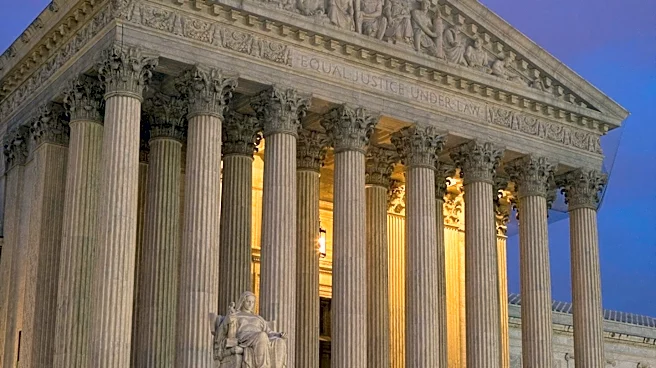
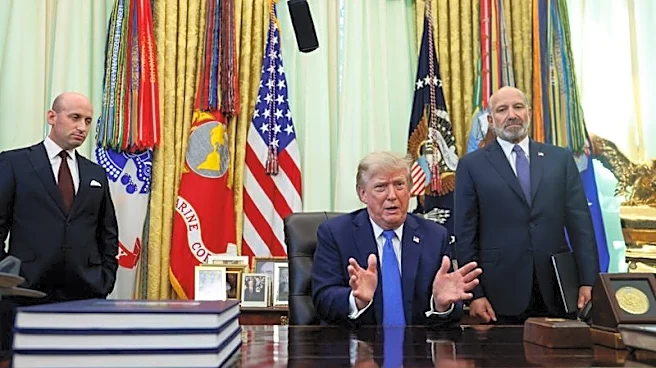
which traditionally mandates an examination of a project's impact on various environmental and socioeconomic factors. FERC Chair Laura Swett announced that this change is in line with a 2025 Supreme Court decision and a move by the White House Council on Environmental Quality to rescind certain NEPA regulations. The aim is to streamline the permitting process for natural gas projects, reducing the time and resources spent on environmental analyses deemed unnecessary under current law.
Why It's Important?
This policy shift by FERC is significant as it represents a major change in how environmental reviews are conducted for natural gas projects. By reducing the scope of required analyses, FERC aims to expedite the approval process for these projects, potentially leading to faster development and increased energy production. This could have substantial implications for the natural gas industry, potentially lowering costs and increasing competitiveness. However, it also raises concerns among environmental groups and communities about the potential for increased environmental impacts without comprehensive reviews. The decision reflects a broader trend of regulatory rollbacks aimed at promoting energy development.
What's Next?
Following FERC's decision, natural gas project developers may experience a more streamlined permitting process, potentially accelerating project timelines. However, this change may also lead to legal challenges from environmental groups concerned about the reduced scope of environmental reviews. Stakeholders, including industry representatives and environmental advocates, are likely to engage in discussions and negotiations to address these concerns. The long-term impact of this policy change will depend on how it is implemented and whether it withstands potential legal scrutiny.