



What's Happening?
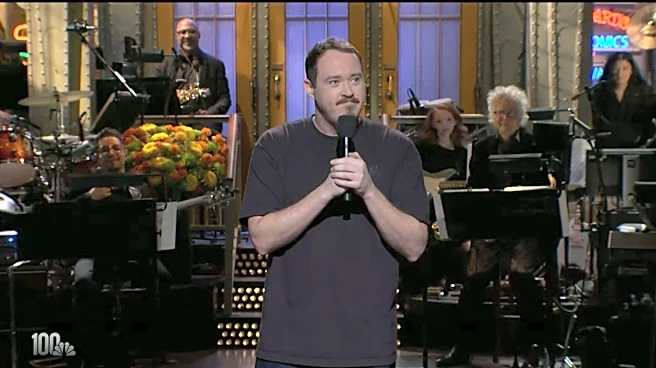
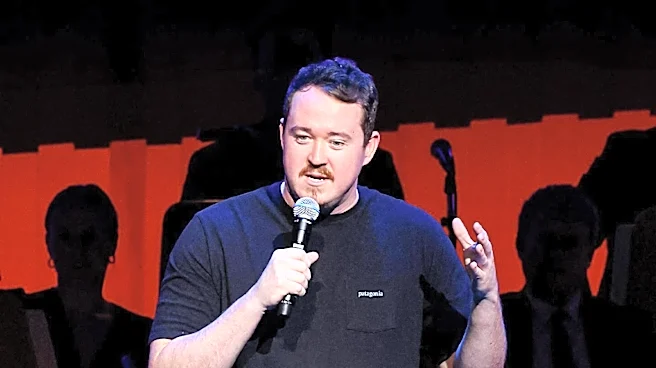
Conservative pundit Ben Shapiro has publicly defended comedian Shane Gillis against widespread criticism following Gillis's 'Saturday Night Live' monologue. Gillis's remarks, which included jokes about women dressing 'like whores' at the gym, drew significant
backlash from various media outlets, celebrities, and social media users. Shapiro argued that the outrage was an 'absurd and hysterical reaction' to a joke. He posited that there are two main questions at the heart of the controversy: whether women are dressing more provocatively at the gym than in the past, and whether men are inherently 'evil' for noticing scantily clad women. Shapiro, along with two female producers, reviewed images and videos of women in gym attire, suggesting that the outfits supported Gillis's point. He also stated that heterosexual men are biologically inclined to notice women showing skin, differentiating between a 'passing glance' and 'gawking.'
Why It's Important?
Ben Shapiro's defense of Shane Gillis highlights a broader cultural debate surrounding humor, free speech, and evolving social norms, particularly concerning gender and public conduct. This incident underscores the growing tension between traditional comedic expression and contemporary sensitivities, especially in the age of social media where content can be rapidly scrutinized and amplified. Shapiro's argument, rooted in biological and observational claims, reflects a perspective that often clashes with progressive viewpoints on misogyny and objectification. The controversy also illustrates the power of public opinion and social media in shaping careers and public discourse, as comedians and public figures face immediate and widespread consequences for their statements. This event contributes to the ongoing discussion about the boundaries of comedy and the responsibilities of public figures in a diverse and interconnected society, impacting how humor is perceived and produced in mainstream media.
What's Next?
The debate surrounding Shane Gillis's monologue and Ben Shapiro's defense is likely to continue to fuel discussions on social media and in cultural commentary. Comedians and content creators may face increased pressure to navigate sensitive topics carefully, balancing artistic freedom with potential public backlash. This incident could influence how television networks and production companies vet talent and content, potentially leading to more cautious approaches to controversial humor. Conversely, it might also embolden some comedians and commentators to push boundaries further, viewing the controversy as a testament to the need for unfiltered expression. The ongoing dialogue will likely contribute to a re-evaluation of what constitutes acceptable humor in public forums and how different audiences interpret and react to such content, potentially shaping future trends in stand-up comedy and satirical media.
Beyond the Headlines
The controversy surrounding Shane Gillis's SNL monologue and Ben Shapiro's subsequent defense delves into deeper societal issues beyond just a comedic performance. It touches upon the objectification of women, the male gaze, and the societal expectations placed on both men and women regarding appearance and behavior in public spaces like gyms. Shapiro's argument about 'human biology' and 'scantily clad clothing' reflects a perspective that often attributes responsibility to the wearer, which is a contentious point in discussions about sexual harassment and consent. This incident also highlights the ideological divide in how humor is perceived and the role of intent versus impact. It underscores the ongoing struggle to reconcile traditional views on gender roles and sexuality with modern calls for respect, equality, and accountability, revealing the complexities of navigating these issues in public discourse and popular culture.