







What's Happening?
St. Louis is experiencing a growing interest in huitlacoche, also known as 'corn smut,' a fungus that deforms corn kernels into gray, bulbous growths. Historically considered a delicacy by Aztecs and their descendants, huitlacoche is now appearing on menus
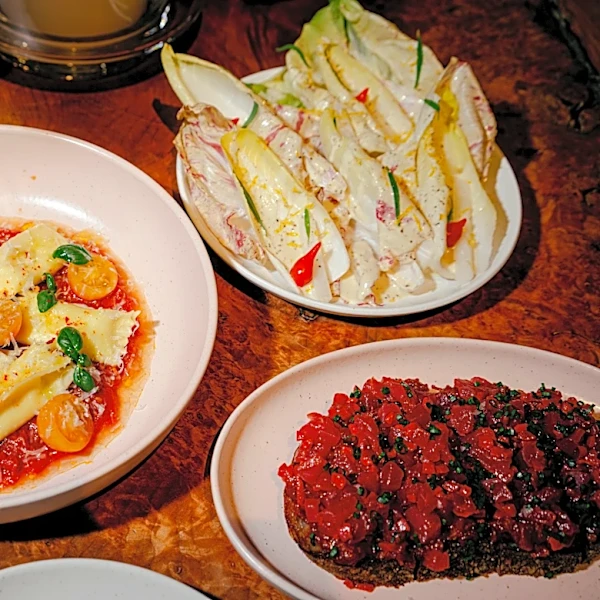
and in grocery stores across the Midwest. Local Harvest, an independent grocery store in St. Louis, has successfully stocked and sold huitlacoche, priced at approximately $18.49 per pound, making it one of their most expensive produce items. Becca Widzer, manager at Local Harvest, noted a significant customer response when she posted about it on Instagram. Executive Chef Adrian Maldonado of Malo, an upscale Mexican restaurant in St. Louis, has incorporated huitlacoche into his tasting menus, highlighting its unique flavor profile, which combines elements of corn and mushroom with sweet and savory notes. The increasing presence of huitlacoche is partly attributed to a growing Latino population in St. Louis and changing weather patterns that favor its growth.
Why It's Important?
The rising popularity of huitlacoche in St. Louis signifies a shift in American culinary trends, embracing traditional ingredients from diverse cultures. This trend not only introduces new flavors to the mainstream but also creates new economic opportunities for farmers and food businesses. Farmers, who once viewed corn smut as a crop disease, can now market it as a high-value specialty item, potentially turning a previous liability into a profitable harvest. The demand for huitlacoche is also influenced by climate change; conditions of extreme heat followed by heavy rain, which are becoming more common in the St. Louis area, are ideal for the fungus's growth. This suggests that huitlacoche could become a more sustainable and economically viable crop for farmers in regions affected by changing weather patterns, offering a unique way to adapt to environmental shifts in agriculture.
What's Next?
The increasing demand for huitlacoche is likely to encourage more farmers in the Midwest to cultivate or intentionally allow the growth of this fungus, potentially leading to a more formalized supply chain for this specialty ingredient. As chefs like Adrian Maldonado continue to feature huitlacoche in upscale dining, its acceptance and popularity among a broader consumer base are expected to grow. Further research into the environmental factors influencing huitlacoche growth, particularly in the context of climate change, will be crucial for optimizing its cultivation and ensuring a consistent supply. Additionally, educational efforts by retailers and culinary professionals will continue to play a role in familiarizing consumers with this unique ingredient, overcoming initial hesitations, and integrating it more deeply into American cuisine. The success of businesses like Confluence Kombucha, which is experimenting with huitlacoche-infused beverages, indicates potential for innovation in food and drink products.
Beyond the Headlines
The emergence of huitlacoche as a culinary trend in the U.S. extends beyond mere gastronomy; it reflects deeper cultural and environmental implications. Ethically, it highlights the value of indigenous food knowledge and the potential for traditional practices to offer sustainable solutions in modern agriculture. The transformation of 'corn cancer' into a prized ingredient challenges conventional perceptions of food and waste, promoting a more holistic view of agricultural products. Culturally, it signifies the increasing influence of diverse communities on American foodways, fostering greater appreciation for global culinary traditions. Legally, as its popularity grows, there might be a need for clearer regulations or standards for its cultivation and sale. This development also underscores the adaptability of food systems in response to climate change, turning what was once considered a blight into a valuable resource, and potentially inspiring similar innovations with other underutilized or unconventional food sources.