

What's Happening?
A certified Pilates instructor, Brittni Johnson, has recommended an eight-minute beginner routine designed to strengthen the core and stabilize the spine. Johnson emphasizes that building a strong core requires discipline, focusing on controlled movements
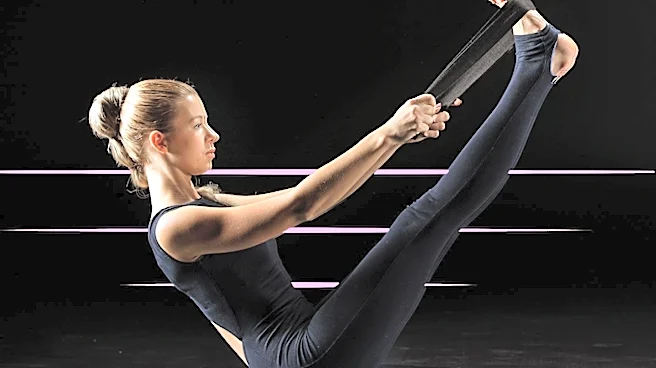
and proper form rather than simply increasing repetitions. The routine, which can be performed with just bodyweight, includes five key exercises: The Hundred, Single-Leg Stretch, Dead Bug, Seated Saw, and Criss-Cross. Each exercise targets different aspects of the abdominal muscles and aims to improve overall body control and spinal support. Johnson advises performing eight to twelve controlled repetitions of each exercise or using a time-based approach of 30-45 seconds per exercise for two rounds. The goal is to feel 'connected through your center' rather than exhausted, highlighting the Pilates philosophy of intentional movement and alignment.
Why It's Important?
This recommended routine is important for individuals seeking to improve their physical well-being, particularly those in the U.S. who may be looking for accessible and effective home-based fitness solutions. A strong core is fundamental for daily activities, preventing injuries, and maintaining good posture, which can significantly impact overall quality of life. For many, the convenience of an eight-minute, bodyweight-only routine removes common barriers to exercise, such as lack of time or access to gym equipment. The emphasis on control and form, as advocated by Johnson, promotes safer and more effective workouts, reducing the risk of strain or injury often associated with high-intensity or improperly executed exercises. This approach can empower individuals to build foundational strength that translates into better functional movement and reduced back pain, a common ailment in the U.S. population.
What's Next?
Individuals interested in improving their core strength and spinal stability can immediately incorporate this eight-minute routine into their daily fitness regimen. As suggested by Johnson, those looking to increase the challenge can introduce small props like a Pilates ring for certain moves, making the hips and core work harder without high impact. This allows for progressive overload as strength improves. Fitness enthusiasts and beginners alike can benefit from focusing on the quality of movement over quantity, ensuring that the exercises are performed with intention and proper alignment. The routine's accessibility means it can be sustained long-term, potentially leading to lasting improvements in core strength, posture, and overall physical resilience. Further exploration of Pilates principles and other core-strengthening exercises could follow for those who find this routine beneficial.
Beyond the Headlines
The recommendation of this Pilates-inspired routine underscores a broader shift in fitness culture towards mindful movement and functional strength, moving away from solely aesthetic-driven workouts. This approach highlights the interconnectedness of the body, where core strength is not just about visible abs but about supporting the entire kinetic chain and promoting spinal health. The emphasis on control and intention in Pilates also has mental benefits, fostering a deeper body-mind connection and promoting stress reduction through focused breathing and movement. This routine can serve as an entry point for many into the world of Pilates, a discipline known for its holistic benefits, including improved flexibility, balance, and body awareness. It also reflects a growing demand for expert-led, accessible fitness content that prioritizes long-term health and injury prevention over quick fixes.