







What's Happening?
New York State has implemented a moratorium on new data centers consuming 50 megawatts or more, a move that critics argue mirrors the state's previous ban on hydraulic fracturing. Governor Kathy Hochul's administration has paused these projects while
a Generic Environmental Impact Statement is conducted to assess potential impacts on energy demand, water consumption, air quality, noise, and community. This pause has raised concerns among some, including the Niagara Falls Reporter, that New York is risking a repeat of the economic consequences experienced after the fracking ban, which saw neighboring states like Pennsylvania benefit from investments that bypassed New York. The moratorium's duration is uncertain, as it lacks a firm expiration date and will remain in effect until the environmental review is complete.
Why It's Important?
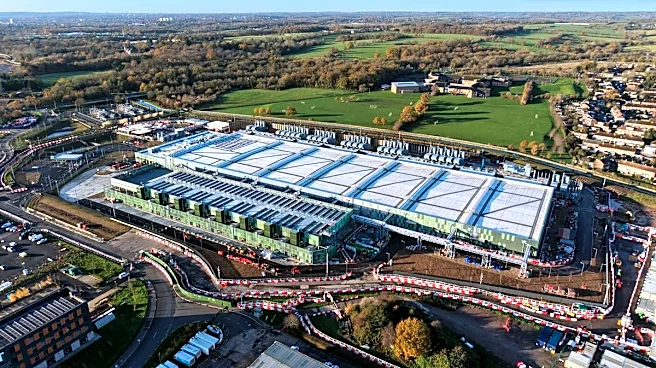
The moratorium on data centers in New York State carries significant economic implications, potentially deterring investment and job creation. Data centers, essential infrastructure for AI, finance, medicine, and other industries, require substantial construction expenditures, electrical equipment, and specialized contractors, contributing to the tax base and infrastructure improvements. By pausing development, New York risks losing these economic benefits to other states actively competing for such investments, as was the case with fracking. The state's previous fracking ban led to a loss of jobs and private investment, contributing to population decline and shrinking tax bases in upstate communities. This current situation could similarly hinder New York's ability to capitalize on the growing AI and computing power industries, impacting its long-term economic competitiveness and the vitality of its communities.
What's Next?
The immediate next step involves the Public Service Commission defining the scope of the Generic Environmental Impact Statement, which will examine various environmental and community impacts of data centers. The moratorium will remain in effect until this review and its associated findings are completed, with no firm expiration date. This uncertainty could lead data center developers to relocate their projects to states like Pennsylvania, Ohio, and Virginia, which are actively seeking these investments. New York is also considering new rules, special electricity charges, and the elimination of tax exemptions, alongside encouraging host communities to seek significant financial contributions from developers. These potential measures could further increase the economic barriers for data center development within the state, influencing future investment decisions.
Beyond the Headlines
The ongoing debate surrounding New York's data center moratorium highlights a deeper tension between environmental protection and economic development. While legitimate environmental concerns regarding energy, water, and community impacts need addressing, the state's approach risks creating an environment of regulatory uncertainty that could stifle innovation and investment. The comparison to the fracking ban suggests a pattern where temporary pauses evolve into permanent prohibitions, leading to missed economic opportunities. This situation raises questions about how New York can establish effective guardrails for new industries without making development economically unfeasible. The long-term implication is whether New York will responsibly shape the growth of AI and data centers within its borders or watch as this critical infrastructure and its associated economic benefits are built elsewhere, potentially impacting the state's future as a hub for technology and advanced computing.