






What's Happening?
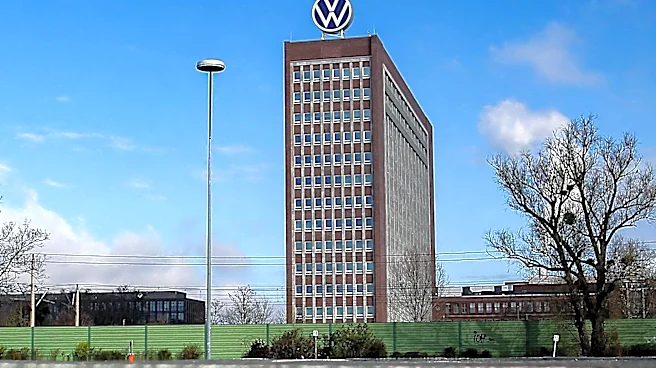
Volkswagen has announced plans to potentially cut up to 100,000 jobs as part of its cost-cutting measures. This decision was revealed in an internal memo by Volkswagen CEO Oliver Blume, who indicated that the company faces a 20% cost disadvantage compared
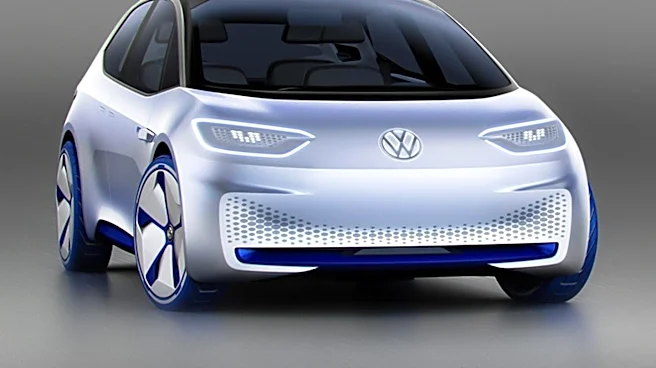
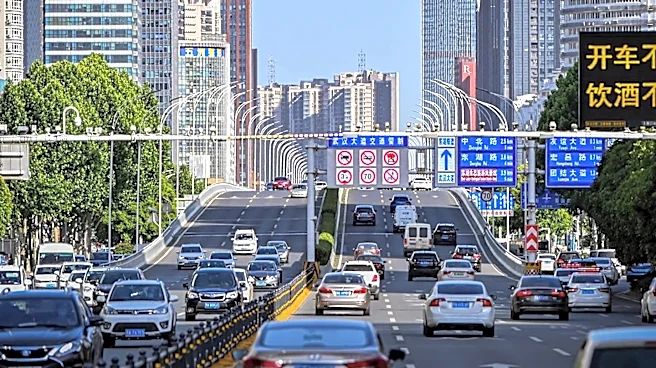
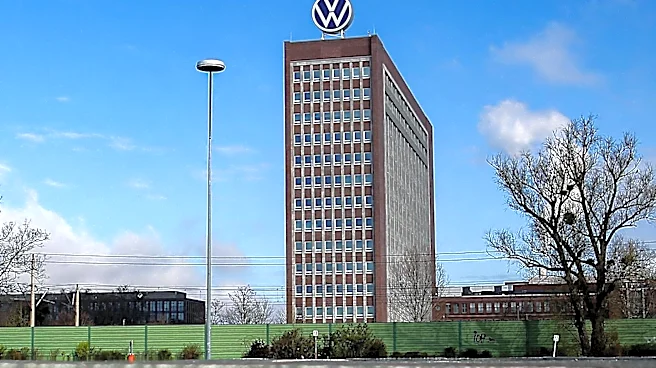
to its European rivals. The memo also addressed the uncertainty surrounding the future of four plants—Emden, Hanover, Zwickau, and Neckarsulm—stating that no competitive use cases have been confirmed for these facilities in the 2030s. This announcement comes as Volkswagen struggles with declining sales in China, where it has lost its market leader position to domestic brands like BYD. The company’s previous reliance on internal combustion engine platforms has left it vulnerable as the market shifts towards electric vehicles.
Why It's Important?
The potential job cuts and plant closures at Volkswagen highlight significant challenges facing the automotive industry, particularly in adapting to the rapid shift towards electric vehicles. Volkswagen's situation underscores the broader industry trend of traditional automakers needing to innovate and reduce costs to remain competitive. The job cuts could have substantial economic implications, affecting thousands of workers and their communities. Additionally, the uncertainty surrounding the future of key manufacturing plants raises concerns about the long-term viability of these facilities and the potential impact on local economies. Volkswagen's struggles in China also reflect the growing influence of domestic brands in the global automotive market, emphasizing the need for international companies to adapt to changing consumer preferences and technological advancements.
What's Next?
Volkswagen will likely engage in further discussions and negotiations with labor unions and other stakeholders to determine the exact number of job cuts and the future of the affected plants. The company may explore alternative solutions to outright closures, such as repurposing facilities for new technologies or partnerships. As Volkswagen navigates these challenges, it will need to balance cost-cutting measures with maintaining its workforce and production capabilities. The outcome of these negotiations will be closely watched by industry analysts and could set a precedent for how other automakers address similar challenges in the transition to electric vehicles.