





What's Happening?
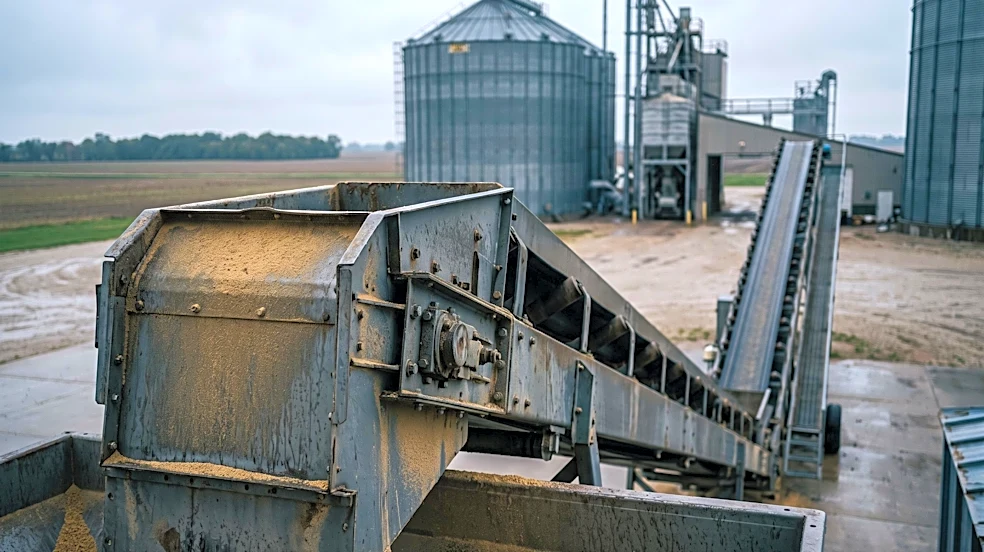
The U.S. soybean crush in September experienced a significant decline, reaching its lowest point in 13 months. This reduction is primarily attributed to rain-related harvest delays, as reported by Brownfield Ag News. The National Oilseed Processors Association
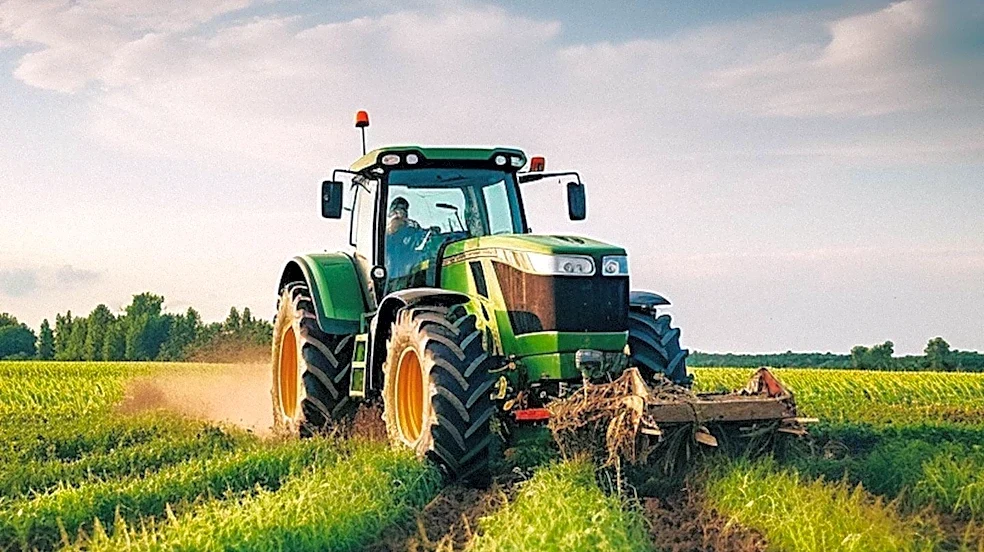
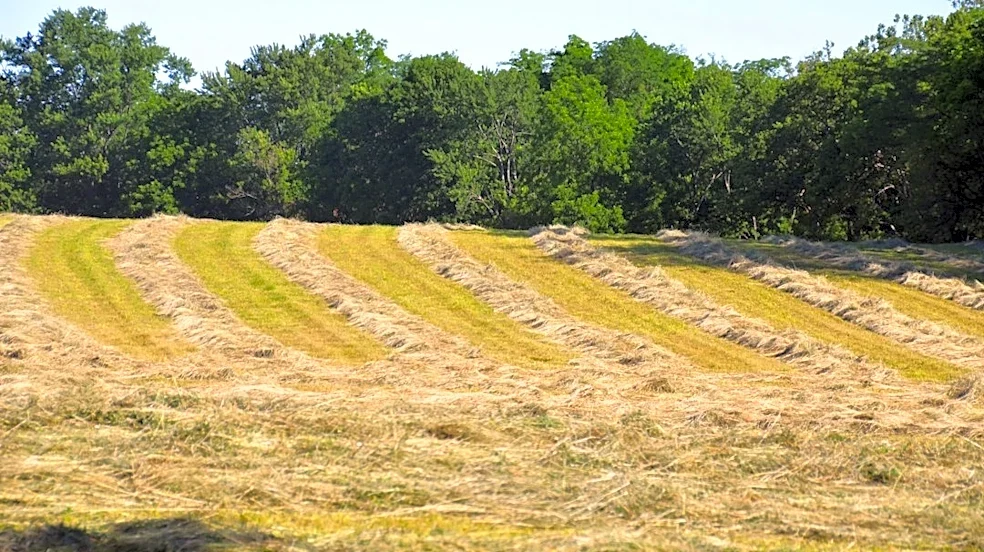
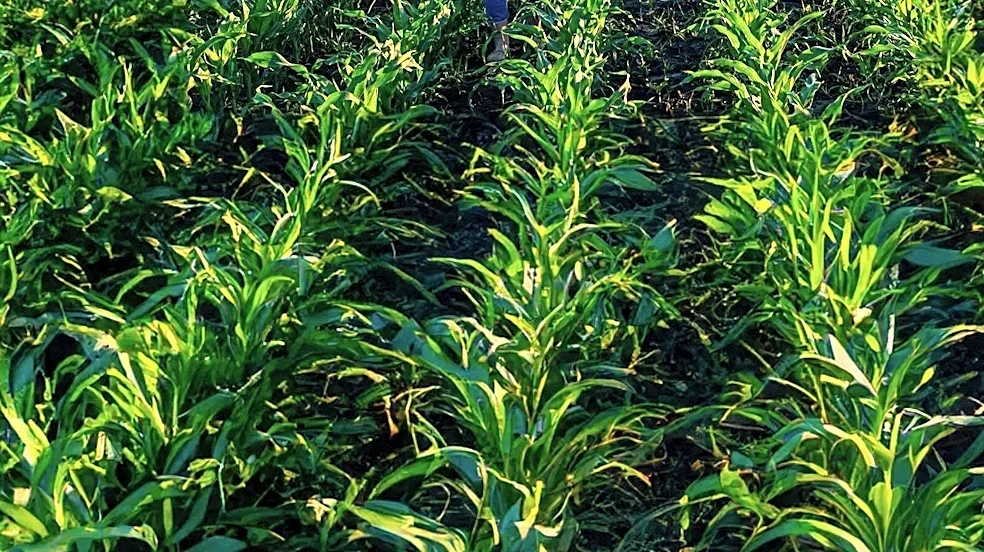
(NOPA) indicated that its members processed only 196.3 million bushels of soybeans last month, a decrease from both August and the previous year's figures. This volume fell considerably short of market expectations. Tom Kersting of South Dakota Soybean Processors explained that harvest activities in his region commenced but were subsequently interrupted by approximately a week of rain and other weather-related issues. He noted that some crush facilities were forced to temporarily cease operations due to these delays. However, once the weather improved, the soybean harvest progressed rapidly.
Why It's Important?
The unexpected drop in September's soybean crush has immediate implications for the U.S. agricultural market and the broader economy. A lower crush volume can affect the supply of soybean oil and meal, which are crucial components in various industries, including food production, animal feed, and biofuels. This can lead to price fluctuations for these commodities, impacting consumers and businesses alike. For farmers, harvest delays and subsequent processing slowdowns can create logistical challenges and potentially affect their income, even if processing is expected to catch up. The grain markets, as noted by Naomi Blohm of Total Farm Marketing, have already reacted to this short-term disruption, experiencing pressure from the ongoing harvest and technical selling. The situation highlights the vulnerability of agricultural supply chains to weather patterns and the interconnectedness of farming, processing, and market dynamics.
What's Next?
Analysts anticipate that soybean processing will likely rebound and catch up as the harvest continues to progress. Naomi Blohm of Total Farm Marketing suggests that the soybean market might experience a harvest low in the coming weeks, but she also emphasizes that the demand for crush remains robust. The next official update on U.S. crush volumes is expected in November, which will provide a clearer picture of how the industry is recovering from the September slowdown. Farmers and processors will be closely monitoring weather conditions and logistical capabilities to ensure efficient transportation and processing of the remaining harvest. The market will also be watching for any signs of sustained demand for soybean products, which will be critical for stabilizing prices and ensuring a healthy agricultural sector.
Beyond the Headlines
The September soybean crush decline, while seemingly a short-term weather-related issue, underscores deeper vulnerabilities within the agricultural sector, particularly concerning climate variability. Increasingly unpredictable weather patterns, including prolonged rain events, pose significant risks to harvest schedules and the efficiency of the entire supply chain. This incident highlights the need for greater resilience in agricultural infrastructure and potentially more diversified strategies for farmers and processors to mitigate such disruptions. Furthermore, the reliance on soybean products in various industries means that even localized agricultural issues can have ripple effects across the national economy, impacting everything from food prices to the cost of animal feed. This event serves as a reminder of the intricate balance between natural conditions, agricultural practices, and economic stability, prompting discussions on long-term climate adaptation strategies for U.S. agriculture.