
What's Happening?
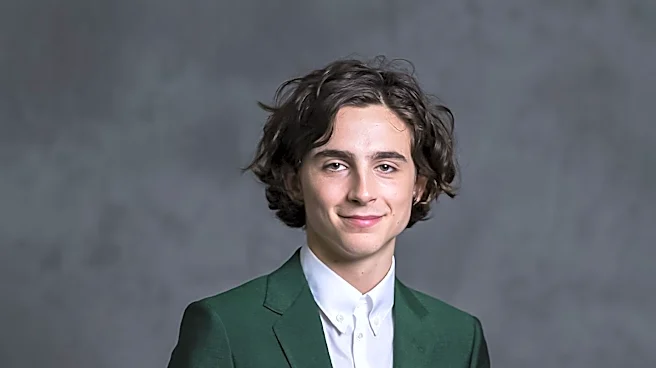
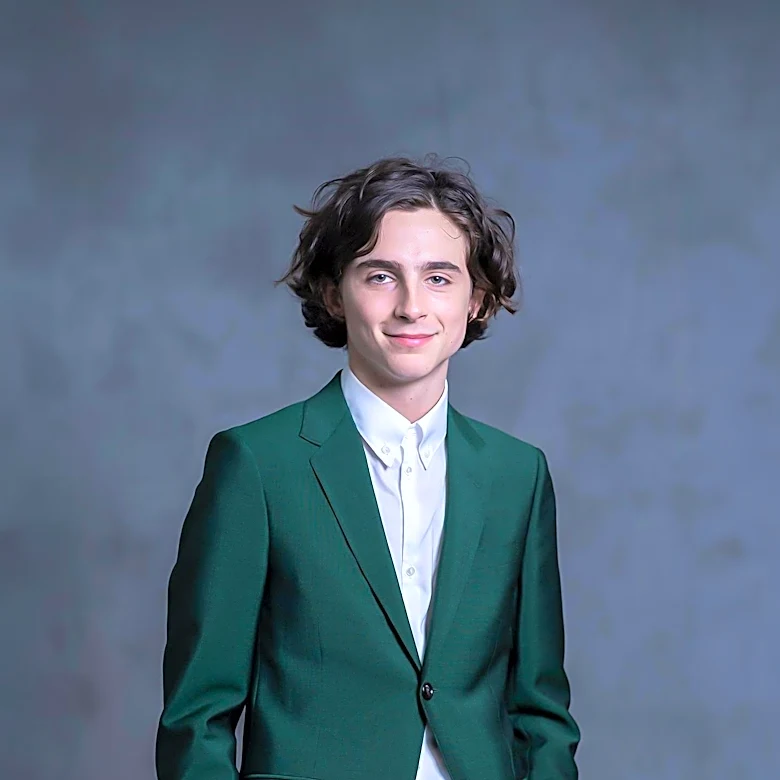
Vanity Fair Global Editorial Director Mark Guiducci has defended his cover profile of actor Timothée Chalamet, which drew criticism for focusing more on Guiducci's apartment decor than on Chalamet himself. Online commentators, including Hell Gate NYC
and the Today in Tabs newsletter, described the article as 'excruciating' and noted the lack of substantive quotes from the 'Dune: Part Three' star. Chalamet, who posed for a three-day photoshoot in Iceland, only granted 90 minutes for the interview and requested that Guiducci, not a regular writer, pen the feature. The interview took place in Guiducci's one-bedroom apartment in the East 60s, an unusual choice explained by Guiducci as an attempt to meet Chalamet 'halfway' due to the actor's inability to go many places in public. During the interview, Chalamet offered brief responses such as 'Okay, pass' and 'I’m going to pull a Frank Ocean and be mysterious,' providing little material. Guiducci, however, assured Page Six that Chalamet was polite and good company, describing him as a 'lovely houseguest' who 'drank tap water.'
Why It's Important?
This incident highlights the evolving dynamics between celebrity access, media expectations, and journalistic integrity in the entertainment industry. The criticism leveled against Vanity Fair's profile underscores a growing demand from audiences for authentic and in-depth celebrity content, rather than heavily controlled narratives. It also reveals the challenges faced by publications in securing meaningful interviews with high-profile figures who often have powerful gatekeepers limiting access. The decision to conduct the interview in the editor's apartment and the actor's terse responses raise questions about the value and purpose of such profiles, especially when they fall short of audience expectations. This situation could influence how other media outlets approach celebrity interviews, potentially leading to more transparent reporting on access limitations or a shift towards alternative forms of celebrity engagement that offer more genuine insights.
What's Next?
In the immediate future, Vanity Fair and other publications may re-evaluate their strategies for securing and conducting celebrity interviews, particularly with A-list stars known for their guarded public personas. The criticism could prompt a discussion within the industry about the balance between securing a high-profile cover and delivering compelling journalistic content. Guiducci's new rule at Vanity Fair, requiring every editor to write a feature at least once a year, suggests an internal push for editors to better understand the writing process and the challenges faced by their staff. This experience might lead to more cautious approaches when negotiating interview terms with celebrities, potentially prioritizing quality of access over the sheer star power of the subject. The broader entertainment media landscape may also see a continued shift towards more candid, less controlled forms of celebrity interaction, driven by audience demand for authenticity.
Beyond the Headlines
Beyond the immediate controversy, this event touches upon the broader cultural phenomenon of celebrity mystique and the public's insatiable appetite for glimpses into the lives of stars. Timothée Chalamet's choice to be 'mysterious' reflects a strategic approach to maintaining an enigmatic public image, a tactic employed by many celebrities to control their narrative and enhance their allure. This contrasts with the traditional role of celebrity profiles, which aim to demystify public figures. The incident also raises questions about the power dynamics in celebrity journalism, where the subject often dictates the terms of engagement, potentially compromising the journalistic output. The public's strong reaction to the profile suggests a desire for more than just curated images; they seek genuine connection and insight, challenging media outlets to innovate in how they present celebrity content while navigating the constraints of access and public relations.