


What's Happening?
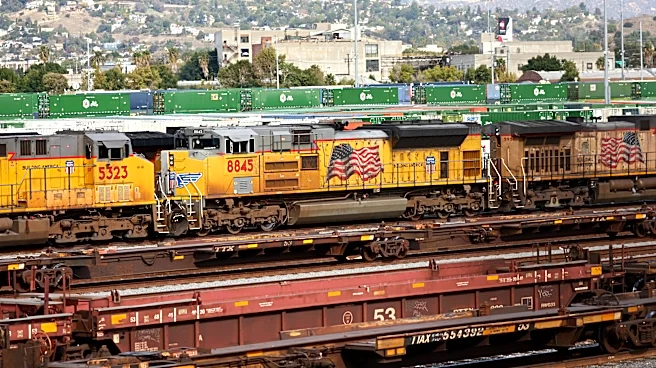
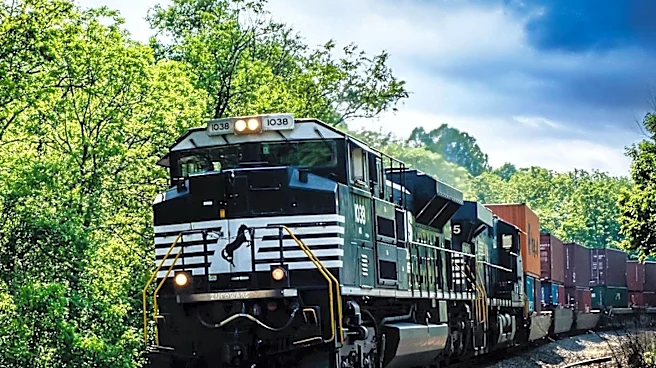
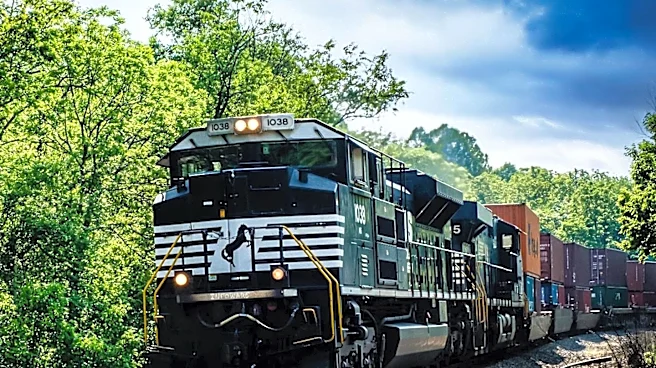
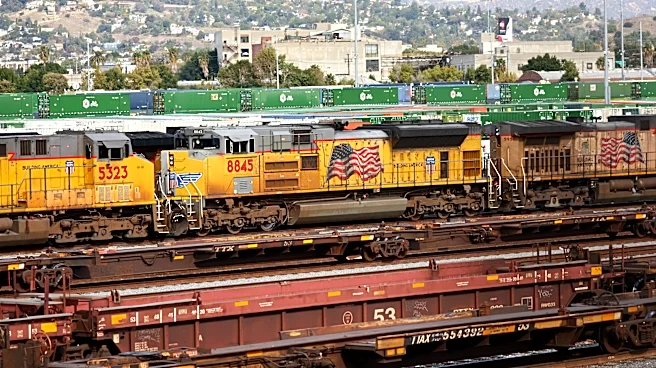
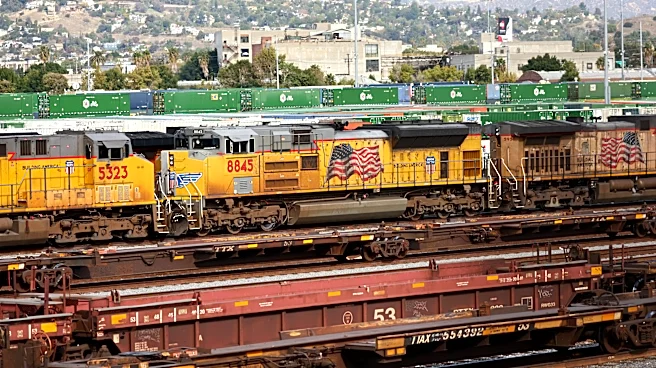
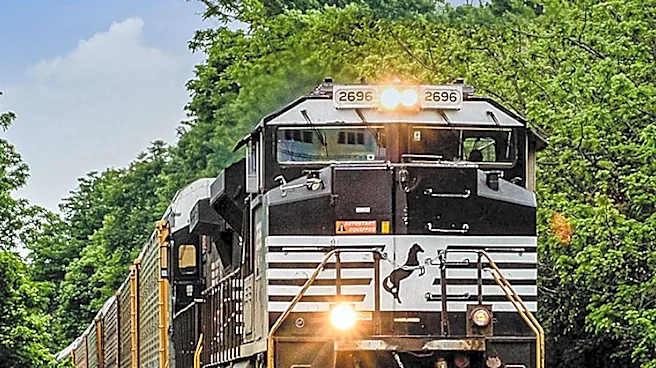
Union Pacific is proposing a combination with Norfolk Southern, drawing lessons from the 1999 Conrail integration to inform its strategy. Mike McClellan, Senior Vice President & Chief Strategy Officer for Norfolk Southern, highlights that the Conrail experience,
despite initial service disruptions, ultimately led to significant growth for Norfolk Southern, including a 50% increase in annual operating revenue and over 1 million additional intermodal moves between 2001 and 2006. The proposed Union Pacific-Norfolk Southern combination aims to create new single-line routes, invest in key corridors and terminals, and improve network efficiency. This strategy is designed to expand customer options, enhance rail competitiveness, and divert freight from highways to rail. The application details investments in routes and terminals to leverage the collective strengths of both networks, such as a $127 million investment in Norfolk Southern’s line between Kansas City and Ohio to create the shortest rail route between Southern California and Norfolk Southern’s Midwest and Northeast terminals.
Why It's Important?
This proposed combination is significant for the U.S. rail industry and national logistics. By creating America’s first transcontinental railroad, Union Pacific and Norfolk Southern aim to improve efficiency and expand service offerings, potentially leading to a more robust and competitive freight transportation system. The strategy of diverting freight from highways to rail could have positive environmental impacts by reducing truck traffic and associated emissions. Economically, the integration could unlock new growth opportunities, similar to how Norfolk Southern experienced substantial revenue and intermodal volume increases post-Conrail. This could benefit various industries reliant on freight transportation by offering more efficient and cost-effective shipping options. However, the complexity of such a large-scale integration, as seen with Conrail, suggests that careful planning and execution will be crucial to avoid service disruptions and ensure the projected benefits materialize for customers and stakeholders.
What's Next?
The proposed Union Pacific-Norfolk Southern combination will proceed with an application detailing investments in routes and terminals. The plan includes creating new shorter routings between the Gulf and the Northeast, and launching new services from Texas and Mexico to the Northeast and Southeast. These initiatives are expected to target key growth markets for the nation's economy. The companies will need to demonstrate to regulatory bodies, such as the Surface Transportation Board (STB), how the proposed integration will benefit customers, improve competition, and enhance overall network efficiency. The success of this combination will depend on the effective implementation of these investments and the ability to manage the integration process, drawing on the lessons learned from past rail mergers to minimize potential challenges and maximize growth opportunities.
Beyond the Headlines
The proposed Union Pacific-Norfolk Southern combination represents a strategic move to reshape the landscape of U.S. freight rail. Beyond the immediate economic and logistical benefits, this integration could trigger broader shifts in supply chain management and regional economic development. The creation of a transcontinental railroad could foster new industrial hubs and distribution centers along the expanded network, influencing where businesses choose to locate and invest. The emphasis on diverting freight from highways to rail also aligns with national goals for infrastructure improvement and environmental sustainability, potentially setting a precedent for future transportation policy. The ethical considerations of market concentration within the rail industry will likely be a point of scrutiny, as regulators assess the balance between increased efficiency and potential impacts on competition and smaller rail operators. The long-term success of this venture could serve as a blueprint for future large-scale infrastructure projects in the U.S.