


What's Happening?
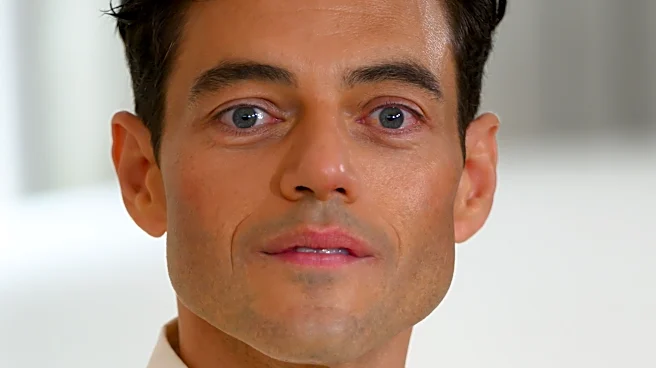
A new AI tool, Nano Banana 2.1, is being utilized to create static AI fan art featuring Dwayne Johnson. This tool allows users to generate two-panel cinematic reaction images, specifically demonstrating a 'static stone-face versus raised-eyebrow' comparison.
The process involves using an existing photograph of Dwayne Johnson as an identity reference, from which the AI generates new scenes, clothing, poses, and expressions. Users can upload an identity reference image and then provide explicit prompts for expressions and hand directions. The generated output is a two-panel image where one panel depicts a sculpted gray stone bust of Johnson with relaxed eyebrows, and the other shows him as a living human with one eyebrow distinctly raised, conveying a skeptical or knowing look. The tool ensures that the facial structure, skin tone, and age from the reference are preserved, while removing elements like eyeglasses to ensure eyebrow visibility. This AI-generated content is explicitly stated as fan art and not documentary footage or an endorsement.
Why It's Important?
The development of tools like Nano Banana 2.1 highlights the growing sophistication of AI in generating highly specific and nuanced visual content. This technology has significant implications for the entertainment and digital media industries, offering new avenues for content creation, meme generation, and fan engagement. For artists and creators, it provides a powerful tool to produce detailed character-based imagery without extensive manual rendering. However, it also raises questions about the ethical use of AI in replicating public figures' likenesses and expressions, even for fan art. The ability to manipulate facial expressions with such precision could lead to new forms of digital storytelling and personalized content, but also necessitates clear guidelines regarding authenticity and potential misuse. The tool's focus on specific expressions demonstrates a leap in AI's understanding and recreation of human emotion in visual form.
What's Next?
The continued evolution of AI image generation tools like Nano Banana 2.1 is likely to lead to more advanced capabilities in replicating and manipulating human likenesses and expressions. Future iterations could offer even greater control over subtle facial movements, body language, and environmental integration, potentially blurring the lines between AI-generated content and reality. This technology could be adopted by marketing agencies for personalized advertising, by game developers for character customization, and by social media platforms for enhanced user-generated content. As these tools become more accessible, there will be an increased need for discussions around intellectual property rights, consent for using public figures' images, and the potential for deepfakes. The development trajectory suggests a future where AI plays a central role in visual content creation, demanding robust ethical frameworks and user education.
Beyond the Headlines
The emergence of AI tools capable of generating highly specific facial expressions and likenesses, as seen with Nano Banana 2.1, touches upon deeper societal implications regarding authenticity and perception in the digital age. The ability to create convincing 'fan art' of public figures with precise emotional cues could normalize AI-generated content to the point where distinguishing it from reality becomes increasingly challenging for the average viewer. This raises concerns about the potential for misinformation and the erosion of trust in visual media. Furthermore, the tool's capacity to remove or add elements like eyeglasses and alter expressions highlights the malleability of digital identities. This could lead to new forms of artistic expression and digital identity exploration, but also necessitates a critical examination of how we define and protect individual likenesses in an AI-driven world. The ethical and legal frameworks surrounding AI-generated content, particularly concerning public figures, will need to evolve rapidly to address these complex challenges.