




What's Happening?
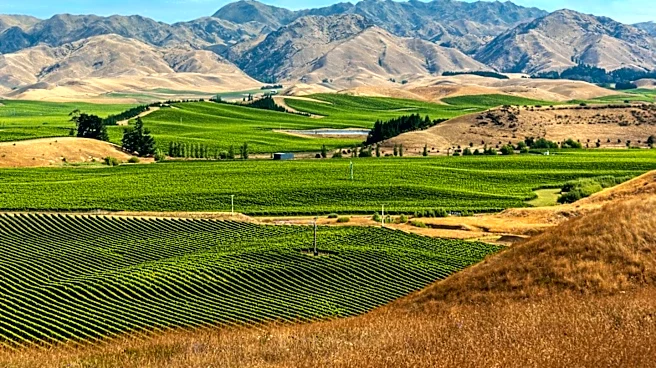
French winemakers, particularly from Burgundy and Champagne, are playing a pivotal role in shaping Oregon's wine country. This influence stems from their centuries of winemaking knowledge and significant investments. The Willamette Valley in Oregon shares
geographical similarities with Burgundy, such as its proximity to the 45th parallel, cool mornings, and long growing seasons, making it an ideal region for Pinot Noir. French families have brought their expertise in vineyard practices and winemaking techniques, adapting them to Oregon's unique climate and soil. Notable figures include Véronique Boss-Drouhin of Domaine Drouhin Oregon, Jean-Nicolas Méo of Domaine Nicolas-Jay, Guillaume Large of Rèsonance, Isabelle Dutartre of De Ponte Cellars, and Jean-Baptiste Rivail of Ponzi Vineyards. These winemakers are not attempting to replicate French wines but rather to allow Oregon's terroir to express itself, integrating Burgundian methods with the local environment.
Why It's Important?
The influx of French winemaking expertise and investment is crucial for the U.S. wine industry, particularly in Oregon. It elevates the quality and international recognition of Oregon wines, especially Pinot Noir, by integrating time-honored European techniques with American innovation. This collaboration enhances the global competitiveness of Oregon's wine region and attracts further investment and tourism. For consumers, it means access to more sophisticated and diverse wine offerings. The presence of these established winemakers also fosters a culture of continuous learning and experimentation within the local industry, pushing boundaries and refining practices. This cross-cultural exchange benefits both the economic landscape of Oregon's agricultural sector and its reputation as a premium wine-producing region, potentially increasing exports and creating more jobs.
What's Next?
The continued collaboration between French and Oregonian winemakers is expected to further solidify Oregon's position as a world-class wine region. Future developments may include the expansion of French-owned or influenced wineries, increased adoption of sustainable farming practices, and the exploration of other French grape varieties that thrive in Oregon's climate, such as Chardonnay, Pinot Gris, and Gamay. The emphasis on terroir-driven winemaking, where the unique characteristics of the land are prioritized, will likely lead to even more distinctive and complex Oregon wines. This trend could also inspire similar international collaborations in other emerging U.S. wine regions, fostering a broader exchange of knowledge and investment within the American wine industry. Wineries like Domaine Drouhin Oregon, Domaine Nicolas-Jay, Rèsonance, and Ponzi Vineyards are expected to continue welcoming visitors, offering opportunities to experience their wines and vineyards firsthand.
Beyond the Headlines
Beyond the immediate economic and quality improvements, the French influence in Oregon's wine industry highlights a deeper cultural exchange. It demonstrates how traditional European agricultural practices can be successfully integrated into a New World context, creating a unique blend of heritage and innovation. This phenomenon challenges the notion of rigid national winemaking styles, promoting a more globalized and collaborative approach to viticulture. It also underscores the importance of geographical and climatic factors in winemaking, as the similarities between Burgundy and the Willamette Valley were a primary draw for French vintners. This ongoing partnership could serve as a model for other agricultural sectors seeking to enhance their products through international expertise, fostering a global community of producers dedicated to quality and sustainability.