



What's Happening?
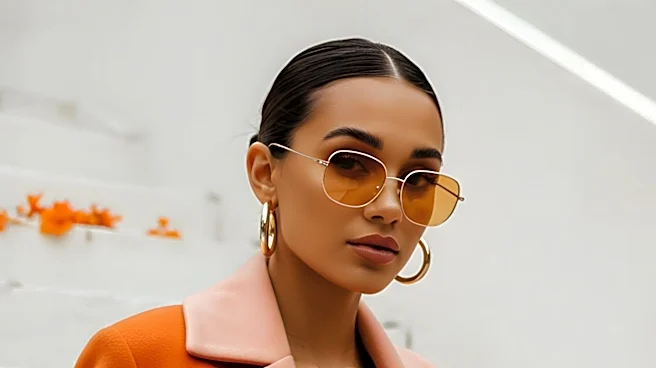
AI image generators are providing new capabilities for creating consistent and varied fashion content for platforms like Instagram. These tools allow users to transform a single model photo into multiple distinct fashion compositions, such as full-body
street-style shots and top-down influencer views. The process involves detailed prompts that define identity references, outfits, camera angles, environments, lighting, and realism constraints. By maintaining consistency in the model's facial features, hairstyle, and core outfit across different prompts, AI can generate a series of images that feel cohesive yet distinct. This method moves beyond simple background changes, enabling the creation of diverse content scenarios from a limited set of original images.
Why It's Important?
This advancement in AI image generation significantly impacts the U.S. fashion and marketing industries by streamlining content creation. Businesses, particularly smaller brands and influencers, can now produce high-quality, varied visual content more efficiently and cost-effectively, reducing the need for extensive photoshoots. The ability to maintain a consistent visual identity across different compositions is crucial for brand recognition and storytelling on social media. This technology democratizes access to sophisticated visual marketing tools, potentially leveling the playing field for emerging brands. However, it also raises questions about the authenticity of fashion imagery and the potential for AI-generated content to saturate online platforms, influencing consumer perceptions of reality in fashion.
What's Next?
The use of AI image generators in fashion content creation is expected to expand, with continuous improvements in realism and control. Future developments may include more sophisticated tools for generating dynamic poses, diverse body types, and intricate fabric textures, further enhancing the versatility of AI-generated fashion imagery. The industry will likely see an increased adoption of these tools by marketing agencies, e-commerce platforms, and individual content creators. There may also be a growing demand for ethical guidelines and transparency regarding the use of AI in fashion, particularly concerning model representation and the distinction between real and AI-generated visuals. The integration of AI could lead to new creative roles focused on prompt engineering and AI-driven content strategy.
Beyond the Headlines
The rise of AI in fashion content creation touches upon deeper implications regarding creativity, labor, and identity. While AI offers efficiency, it prompts discussions about the role of human creativity in an increasingly automated landscape. There's a potential for job displacement in traditional photography and modeling, but also the emergence of new roles centered around AI art direction. Ethically, the ability to generate highly realistic images of individuals raises concerns about consent, deepfakes, and the potential for misrepresentation. The technology also challenges our perception of beauty and authenticity, as AI can create 'idealized' or 'perfect' images that may not reflect reality, potentially influencing societal standards and self-image. The legal framework around AI-generated content, particularly concerning copyright and intellectual property, is also an evolving area.