





What's Happening?
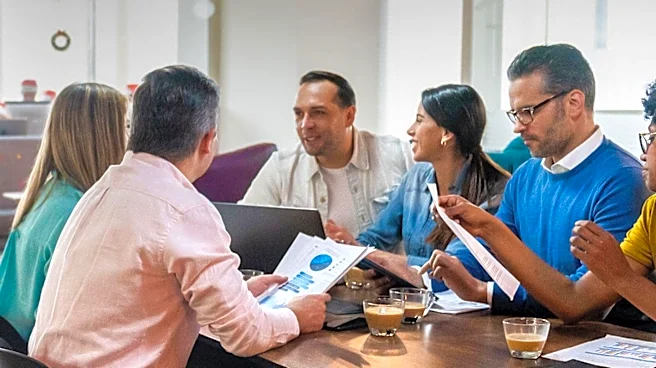
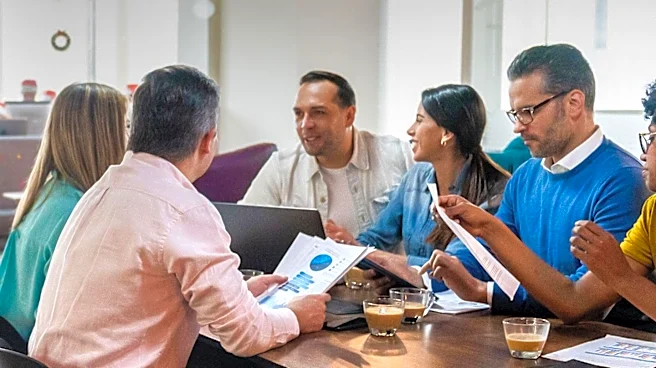
SAP has established a hybrid work model for its employees across different regions, including the U.S., which generally requires three days a week in the office or on-site with customers or partners. This approach is part of SAP's broader strategy to balance
office and remote work, adhering to country-specific guidelines and regulations. The company emphasizes its culture of inclusion, focus on health and well-being, and flexible working models to ensure employees feel included and can perform optimally. SAP's 'Next Gen' program, aimed at students, recent graduates, and early career professionals, also operates within this hybrid framework, providing a supportive community and tailored development opportunities. The company believes this model strengthens its workforce by leveraging the unique capabilities and qualities each person brings, fostering an environment where employees can realize their full potential and contribute to a better world.
Why It's Important?
The implementation of a structured hybrid work model by a major technology company like SAP is significant for the U.S. business landscape. It signals a continued shift in corporate work culture post-pandemic, moving away from fully remote setups while still offering flexibility. This model could influence other large corporations to adopt similar policies, impacting commercial real estate markets, urban planning, and daily commuting patterns. For employees, it means a blend of in-person collaboration and remote work, which can affect work-life balance, productivity, and access to talent pools. Companies like SAP aim to foster a strong culture and collaboration through in-office presence, while also valuing individual needs and well-being. This balance is crucial for attracting and retaining talent in a competitive market, as employees increasingly seek flexibility alongside career development opportunities.
What's Next?
SAP's hybrid model is likely to continue evolving as the company assesses its effectiveness in fostering collaboration, productivity, and employee well-being. Other companies may observe SAP's experience to refine their own hybrid strategies, potentially leading to more standardized hybrid work expectations across various industries. The 'SAP Academy for Customer Success' program, which includes immersive in-person training phases in San Ramon, California, indicates a commitment to hands-on learning and networking within the hybrid framework. This suggests that while remote work is integrated, critical development and collaborative activities will still prioritize in-person interaction. Future adjustments might involve fine-tuning the number of required in-office days, enhancing remote work support, or adapting policies based on employee feedback and business needs.
Beyond the Headlines
The broader implications of SAP's hybrid work model extend to the future of work itself. It highlights a fundamental re-evaluation of traditional office-centric models versus fully remote operations. This hybrid approach attempts to capture the benefits of both—the spontaneous collaboration and cultural cohesion of in-person interaction, and the flexibility and reduced commute stress of remote work. However, it also presents challenges, such as ensuring equitable experiences for all employees regardless of their in-office frequency, managing team dynamics across distributed settings, and maintaining data security. The emphasis on inclusion and well-being within SAP's model suggests a recognition that successful hybrid work requires more than just a schedule; it demands supportive policies and a culture that adapts to diverse working arrangements. This could lead to innovations in workplace technology, management practices, and employee support systems designed to optimize hybrid environments.