


What's Happening?
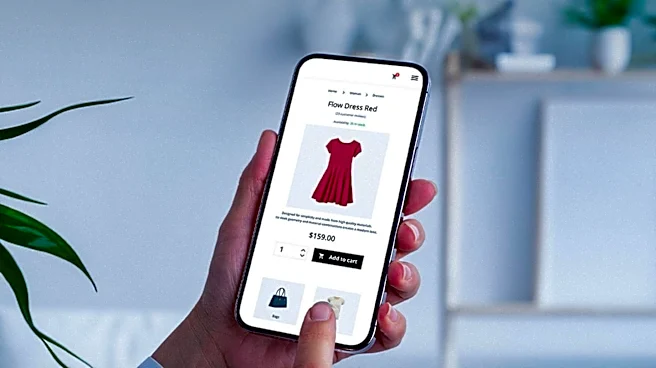
The RealReal, established in 2011 and headquartered in New York City, has emerged as the world's largest marketplace for authenticated luxury consignment and resale. The company operates both an extensive online platform and multiple physical retail locations
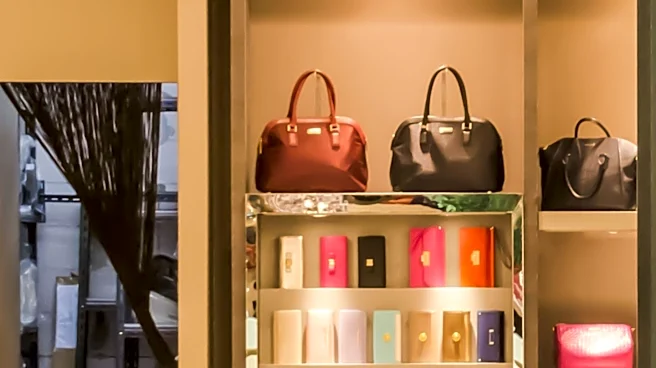
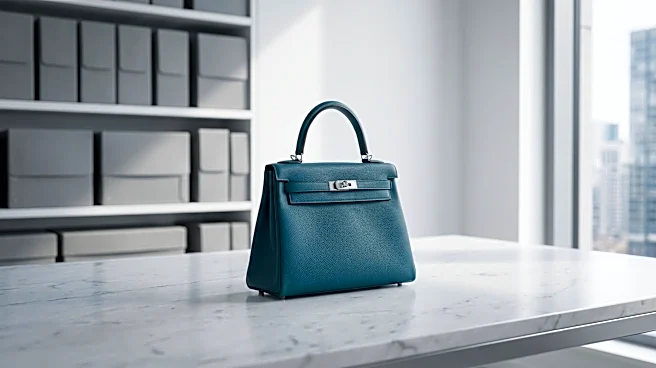
across New York City, including flagship stores in SoHo and on Madison Avenue. It specializes in pre-owned designer items such as bags, jewelry, and clothing from high-end brands like Chanel, Gucci, Louis Vuitton, and Prada. The RealReal serves millions of members globally and employs over 150 authentication experts, including gemologists, horologists, and brand specialists, to rigorously verify all items before sale. This business model not only allows consignors to earn commissions but also provides buyers access to authenticated luxury goods at discounted prices, emphasizing sustainability and the circular economy.
Why It's Important?
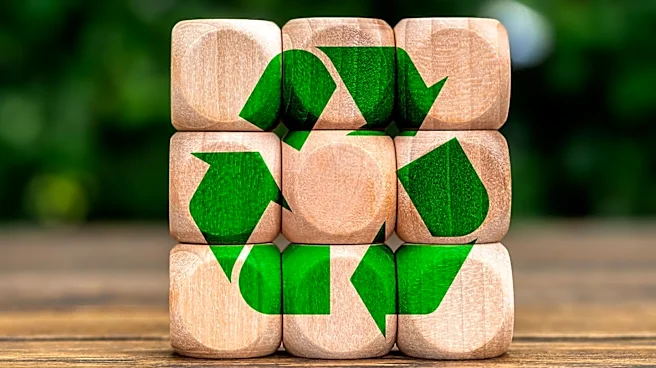
The growth of The RealReal highlights a significant shift in consumer behavior within the luxury market, driven by increasing awareness of sustainability and the appeal of accessible high-end fashion. This model contributes to the circular economy by extending the lifecycle of luxury goods, reducing waste, and promoting more responsible consumption patterns. For consumers, it democratizes access to luxury brands, making them more affordable and fostering a broader market for designer items. For the luxury industry, it presents both opportunities and challenges: while it expands the customer base and offers a new revenue stream for pre-owned items, it also necessitates careful brand management to maintain exclusivity and perceived value. The rigorous authentication process employed by The RealReal is crucial for building consumer trust and combating counterfeiting, which is a persistent issue in the luxury sector.
What's Next?
The luxury resale market is poised for continued expansion, with companies like The RealReal likely to further innovate in authentication technologies and customer experience. We can anticipate an increased focus on personalization and ethical production within the broader second-hand luxury goods sector. The RealReal may explore expanding its physical footprint to more cities or enhancing its online features to cater to a growing global demand for authenticated pre-owned luxury. The company's emphasis on sustainability could also lead to partnerships with luxury brands looking to integrate circular economy principles into their business models. Furthermore, as the market matures, there may be increased competition, prompting players to differentiate through unique services, broader product offerings, or enhanced technological solutions for authentication and logistics.
Beyond the Headlines
The rise of luxury resale platforms like The RealReal signifies a broader cultural and economic shift towards valuing sustainability and conscious consumption, even within the traditionally exclusive luxury sector. This trend challenges the conventional linear model of production and consumption, promoting a more circular approach where products are reused and recycled. It also reflects a changing perception of ownership, where consumers are increasingly comfortable with pre-owned items, especially when authenticity is guaranteed. This movement has ethical implications, as it encourages brands to consider the longevity and reusability of their products. Moreover, the success of these platforms could influence design and manufacturing processes in the primary luxury market, pushing brands to create more durable and timeless pieces that retain value over time, thereby fostering a more sustainable and responsible luxury ecosystem.