



What's Happening?
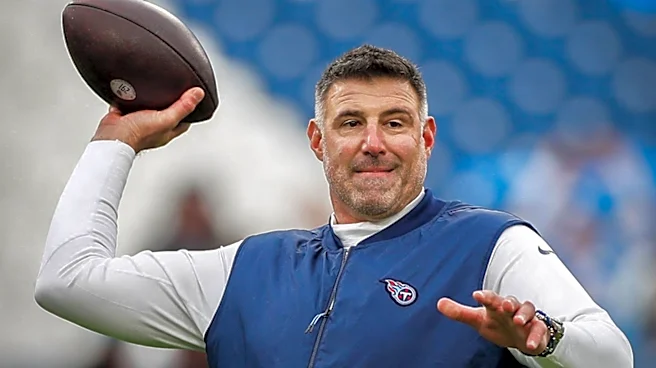
Dianna Russini, an NFL reporter, has returned to media with 'The Russini Report' on BetUS, months after an ethics investigation questioned her reporting. The investigation by The Athletic, her former employer, followed the circulation of images showing
her with New England Patriots head coach Mike Vrabel at a resort in Sedona, Arizona. Both Russini and Vrabel were married to other people at the time and described their interaction as innocent. The Athletic's five-month review, which analyzed 903 articles, 204 podcast episodes, and 77 videos, concluded that Russini violated newsroom disclosure standards by not revealing a close personal relationship with Vrabel. However, the investigation found little evidence that her reporting favored him or his teams. Despite the findings, Philadelphia radio host Nick Kayal has publicly defended Russini against online criticism, arguing that while her conduct raised legitimate journalistic concerns, it should not prevent her return to the industry. Kayal dismissed critics as 'people who have no lives' and 'merely jealous' of her platform.
Why It's Important?
This situation highlights ongoing debates within sports journalism regarding ethical boundaries, personal relationships between reporters and subjects, and the impact of social media on professional reputations. The Athletic's investigation and its findings underscore the importance of transparency and disclosure standards in newsrooms, particularly when personal connections could be perceived to influence reporting. The public defense of Russini by a radio host also brings to light the polarized reactions to such controversies, with some emphasizing journalistic integrity and others defending an individual's right to resume their career despite past issues. The incident could influence how media organizations establish and enforce policies concerning reporter-subject relationships, especially in high-profile sports where access and insider information are highly valued. Furthermore, Russini's return to a platform associated with offshore sportsbooks raises questions about credentialing and access for reporters from such outlets, potentially impacting how the NFL and its teams manage media relations.
What's Next?
Dianna Russini's new role with BetUS and her reported plans to seek Super Bowl credentials through an upcoming iHeartMedia podcast affiliation will likely continue to draw scrutiny. Anonymous team executives have indicated they would deny her credentials if she applied under BetUS due to NFL restrictions on offshore sportsbooks, suggesting potential access challenges for her in the future. The ongoing public discussion, fueled by figures like Nick Kayal, indicates that the controversy surrounding her journalistic ethics and personal conduct will persist. Her ability to rebuild her reputation and gain trust within the NFL media landscape will depend on how she navigates these challenges and addresses the lingering questions about her past actions. The incident may also prompt other sports media outlets to review and potentially revise their own ethics policies regarding reporter-subject interactions.
Beyond the Headlines
The controversy surrounding Dianna Russini and Mike Vrabel extends beyond immediate journalistic ethics, touching upon broader societal perceptions of accountability, forgiveness, and the role of public figures in the digital age. The intense online backlash and the defense by Nick Kayal illustrate the 'cancel culture' phenomenon and the counter-arguments against it, where public opinion can swiftly form and divide over perceived transgressions. The incident also subtly highlights the double standards sometimes applied to male and female professionals in high-profile industries, particularly when personal relationships become public. The long-term implications could include a re-evaluation of how personal lives intersect with professional responsibilities for media personalities and sports figures, and how organizations support or sanction individuals caught in such situations. It also raises questions about the evolving nature of sports media, with traditional journalistic roles increasingly blending with commentary and entertainment, further complicating ethical considerations.