





What's Happening?
U.S. nutrition experts are emphasizing the role of yogurt and fiber-rich foods in bolstering the immune system, particularly during cold and flu season. Dietitians, including Kaytee Hadley, Hennis Tung, and Amy Beney, advocate for regular consumption
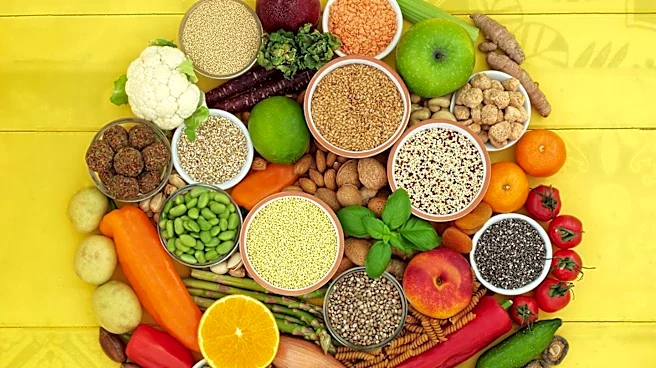
of yogurt, especially varieties with 'live and active cultures' like Greek yogurt or skyr. Yogurt is highlighted as a probiotic food that contributes to a healthy, balanced gut microbiome, which is closely linked to immune function. Studies suggest that specific bacteria in yogurt, such as Lactobacillus and Bifidobacterium, can increase beneficial gut bacteria, decrease harmful ones, and activate immune cells. Beyond probiotics, yogurt provides protein, essential for building antibodies and immune cells, and micronutrients like zinc, selenium, and vitamin A, all crucial for immune support. Additionally, fiber-rich foods are vital as they fuel beneficial gut bacteria, leading to the production of short-chain fatty acids that influence immune function and fight inflammation.
Why It's Important?
The focus on yogurt and fiber-rich foods for immune health is significant for the U.S. population, which often struggles with dietary deficiencies and chronic health issues. By promoting these accessible and nutrient-dense foods, dietitians aim to empower individuals to take proactive steps in strengthening their immune systems. This approach can potentially reduce the incidence and severity of common illnesses, thereby lessening the burden on the healthcare system. The emphasis on gut health as a cornerstone of immunity also highlights a growing understanding of the complex interplay between diet, the microbiome, and overall well-being. Encouraging the consumption of whole foods, diverse plant-based options, and fermented products like yogurt can lead to broader improvements in public health, addressing issues like inflammation, metabolic health, and disease prevention.
What's Next?
To maximize the immune-boosting benefits, dietitians recommend incorporating yogurt into daily routines and pairing it with other healthy habits. This includes adding fruit to yogurt for extra fiber, trying savory yogurt bowls with spices, or making frozen yogurt bark. Beyond diet, experts advise prioritizing adequate sleep, scheduling downtime to reduce stress, and engaging in outdoor activities to regulate sleep cycles and increase vitamin D exposure. These comprehensive lifestyle adjustments are presented as a holistic strategy to support a strong immune system year-round. The ongoing promotion of these dietary and lifestyle recommendations by nutrition experts suggests a continued effort to educate the public on accessible ways to enhance their health and resilience against illness.
Beyond the Headlines
The emphasis on gut health and immune function through diet reflects a paradigm shift in understanding wellness, moving beyond symptomatic treatment to preventative care rooted in daily habits. This approach underscores the interconnectedness of various bodily systems and the profound impact of lifestyle choices on long-term health. The recommendation of readily available foods like yogurt and fiber-rich options democratizes health advice, making it actionable for a wider segment of the U.S. population, regardless of socioeconomic status. Furthermore, the discussion of stress reduction and outdoor activity alongside diet highlights a growing recognition of mental and environmental factors in physical health. This holistic perspective challenges the traditional siloed approach to health, advocating for an integrated strategy that addresses the individual's entire ecosystem, from their internal microbiome to their external environment.