




What's Happening?
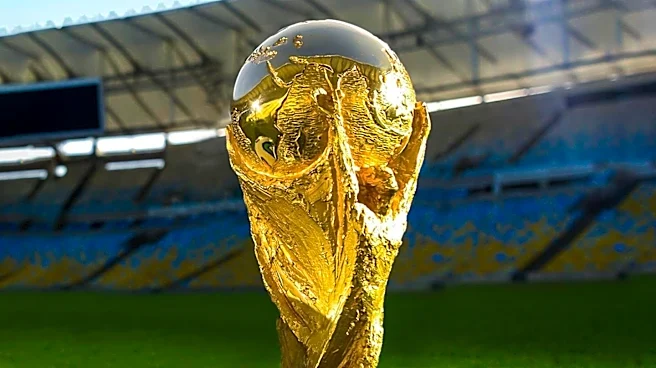
For the first time in its history, FIFA has decided to include a halftime show during the World Cup final, scheduled for 2026 at MetLife Stadium. This decision marks a significant departure from tradition, as previous World Cup finals have not featured
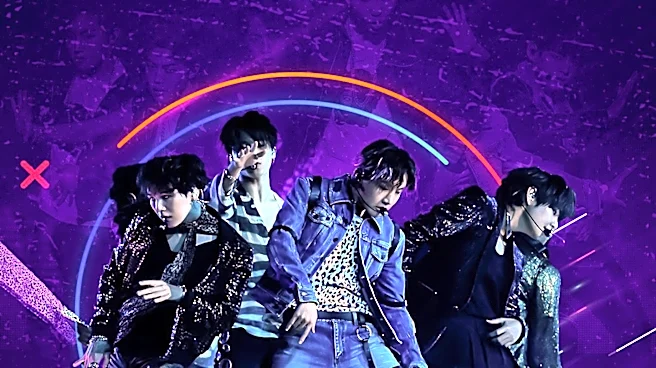
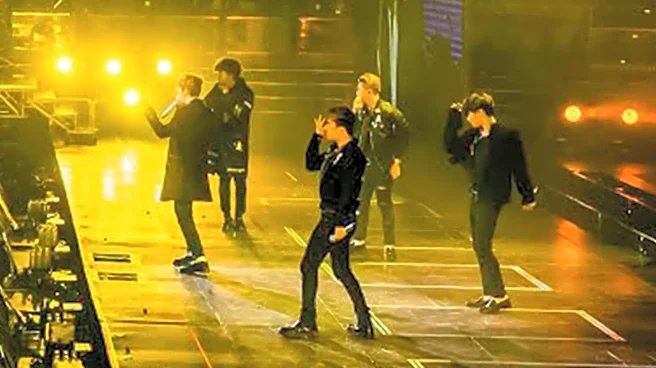
such entertainment. The show is set to last approximately 11 minutes and will feature performances by global artists including Madonna, Shakira, BTS, Justin Bieber, Burna Boy, and Gustavo Dudamel. The initiative aims to promote global unity and raise funds for the FIFA Global Citizen Education Fund, which seeks to expand educational and football opportunities for children worldwide. Despite the positive intentions, the introduction of the halftime show has been met with controversy, particularly from soccer purists who prefer the traditional 15-minute break without additional entertainment.
Why It's Important?
The introduction of a halftime show during the World Cup final represents a significant shift in how FIFA is approaching the event, potentially setting a precedent for future tournaments. This move could attract a broader audience, including those who may not be avid soccer fans but are interested in the performing artists. The decision also highlights FIFA's efforts to leverage the global platform of the World Cup to support charitable causes, potentially raising substantial funds for children's education. However, the change has sparked debate about the commercialization of the sport and the impact on players, who may need to adjust their routines due to the extended break. The controversy underscores the tension between maintaining traditional sports formats and adapting to modern entertainment expectations.
What's Next?
As the 2026 World Cup approaches, FIFA will likely continue to refine the logistics of the halftime show to ensure a smooth transition between entertainment and gameplay. Stakeholders, including teams, players, and fans, may express varying opinions on the change, potentially influencing future decisions about the inclusion of entertainment in major sporting events. FIFA will need to balance the interests of traditional soccer fans with the potential benefits of attracting a wider audience and supporting charitable initiatives. The success or failure of this inaugural halftime show could determine whether it becomes a permanent feature of the World Cup finals.