







What's Happening?
Ayurveda, an ancient Indian system of medicine, has always placed digestion at the core of health, a concept now gaining mainstream attention through modern gut health research. While Ayurveda uses concepts like 'Agni' (digestive fire) and 'ama' (material
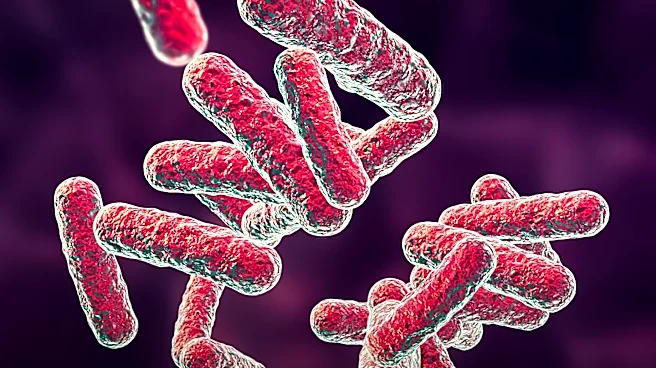
associated with incomplete digestion), modern science focuses on the gut microbiome and its impact on immunity, inflammation, and the gut-brain axis. Both frameworks agree that digestion is systemic and influences overall body health, and that individual responses to food can vary. However, 'Agni' is a functional concept developed through clinical observation, distinct from the measurable population of microorganisms that constitute the microbiome. Early laboratory research suggests some Ayurvedic herbs, like Triphala and licorice, may have prebiotic potential by increasing beneficial gut bacteria, though these findings are from lab settings and do not confirm effects in humans or symptom improvement. The National Center for Complementary and Integrative Health notes that few well-designed clinical trials support the effectiveness of Ayurvedic approaches.
Why It's Important?
This convergence highlights a significant shift in the U.S. healthcare paradigm, where traditional healing systems are increasingly being examined through the lens of modern science. For consumers, it validates the long-held Ayurvedic belief in the importance of gut health, potentially encouraging more holistic approaches to well-being. For the scientific community, it opens avenues for research into Ayurvedic principles and herbs, potentially leading to new discoveries in gut health and personalized medicine. The distinction between 'Agni' and the microbiome is crucial, as it prevents misinterpretation and encourages a nuanced understanding of both systems. This dialogue between ancient wisdom and contemporary research can foster a more integrated approach to health, influencing dietary recommendations, lifestyle interventions, and the development of new therapeutic strategies in the U.S.
What's Next?
Further research is anticipated to explore the mechanisms by which Ayurvedic practices and herbs influence the gut microbiome and overall health. This could involve more rigorous clinical trials to assess the efficacy of specific Ayurvedic interventions for digestive issues and other conditions. The California College of Ayurveda, for instance, emphasizes teaching digestion from the first course, indicating a growing focus on this area in Ayurvedic education. As understanding deepens, there may be increased collaboration between Ayurvedic practitioners and conventional medical professionals, leading to integrated care models. The ongoing scientific investigation into concepts like 'Vipaka' (post-digestive effect) through the lens of microbial transformation could also bridge traditional and modern understandings, potentially leading to new diagnostic and therapeutic tools.
Beyond the Headlines
The parallel emphasis on digestion by both Ayurveda and modern science underscores a universal truth about human health: the gut is central to well-being. This recognition challenges the reductionist view of the body, promoting a more holistic understanding where diet, lifestyle, and even emotional states are seen as integral to digestive function. The cautious approach to scientific validation, as noted by the NIH, highlights the ongoing tension and opportunity in integrating traditional knowledge with evidence-based medicine. It encourages a critical yet open-minded perspective, where the wisdom of ancient systems can inspire new scientific inquiry, while scientific rigor can help refine and validate traditional practices. This dialogue is crucial for developing a comprehensive and effective healthcare system that respects diverse healing traditions while upholding standards of safety and efficacy.