





What's Happening?
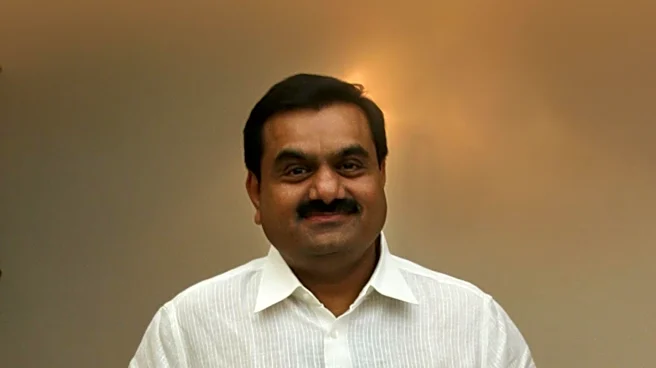
Gautam Adani, Chairman of the Adani Group, attended the Mumbai Book Festival 2026 on November 25, 2026. During his visit, Adani expressed his surprise and appreciation for the significant participation of students at the festival. He emphasized the importance
of reading and encouraged both children and citizens to utilize the available books and learning resources to cultivate a habit of reading. Adani lauded the organizers for creating a platform that effectively connects books with readers. The Mumbai Book Festival 2026, organized by the National Book Trust, India (NBT-India) under the Ministry of Education, Government of India, is being held at the University of Mumbai’s Kalina campus from November 24 to 29. BJP Mumbai President Ameet Satam also noted the large youth turnout, with over 70,000 young people attending even before the official inauguration, indicating a positive shift in reading habits away from increased screen time.
Why It's Important?
This event highlights a significant effort to promote literacy and reading habits, particularly among the younger generation, in a rapidly digitizing world. Gautam Adani's presence and endorsement lend considerable weight to the initiative, given his stature as a prominent business leader. His call for wider readership underscores a broader societal concern about declining engagement with traditional reading materials and the potential impact on critical thinking and knowledge acquisition. The large student participation, as noted by Adani and BJP Mumbai President Ameet Satam, suggests a potential counter-narrative to the prevalent concern about excessive screen time among youth. This initiative could foster a more informed and engaged populace, which is crucial for societal development and intellectual growth. Encouraging reading can also stimulate the publishing industry and related educational sectors.
What's Next?
The Mumbai Book Festival 2026 is scheduled to continue until November 29, offering numerous opportunities for public engagement. With over 600 book stalls and more than 100 sessions, including literary discussions, author interactions, and book launches, the festival aims to maximize its impact on attendees. The continued high participation, especially from young people, could inspire similar initiatives in other regions, potentially leading to a broader national movement to promote reading. Organizers may leverage the success and positive feedback from figures like Gautam Adani to secure further support and funding for future literary events. The festival's success could also prompt educational institutions to integrate more reading promotion activities into their curricula, reinforcing the message of lifelong learning.
Beyond the Headlines
The emphasis on reading at the Mumbai Book Festival, particularly with the endorsement of a business magnate like Gautam Adani, points to a deeper societal recognition of the value of traditional literacy in an age dominated by digital media. This initiative subtly addresses concerns about the cognitive and cultural shifts brought about by digital consumption. It suggests a proactive approach to preserving and promoting intellectual engagement beyond superficial online interactions. The festival also serves as a cultural touchstone, celebrating India's rich multilingual literary heritage and connecting younger generations with their historical and intellectual roots. This effort could contribute to a more balanced media diet for individuals, fostering deeper analytical skills and a broader understanding of diverse perspectives, which are essential for a well-rounded society.