





What's Happening?
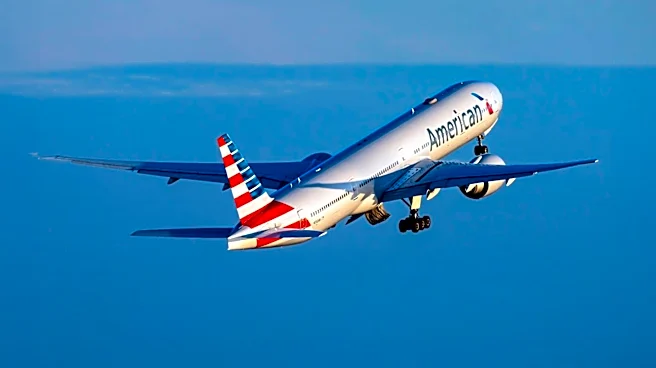
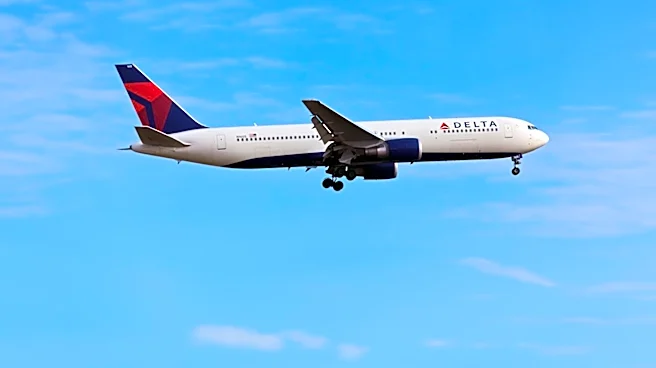
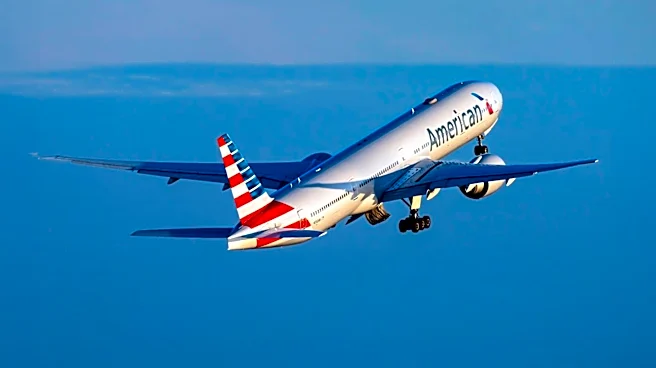
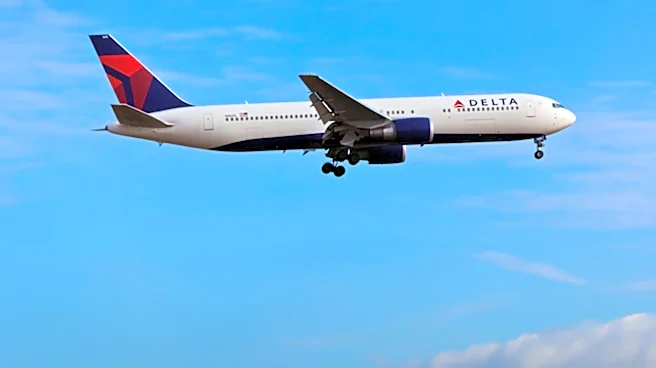
Delta Air Lines maintains a flexible refund policy, allowing customers to cancel trips within 24 hours of booking and receive a full refund, regardless of the flight's departure date. This policy stands in contrast to recent changes by American Airlines,
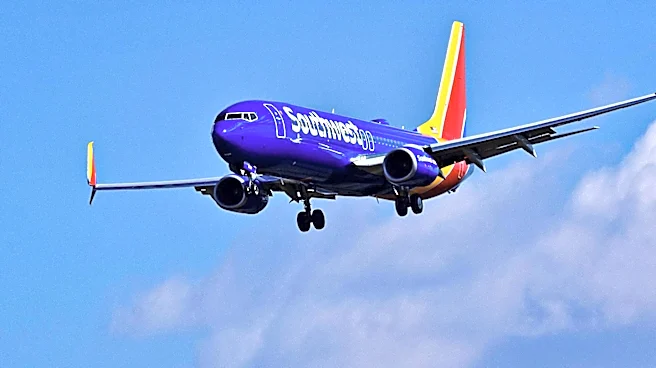
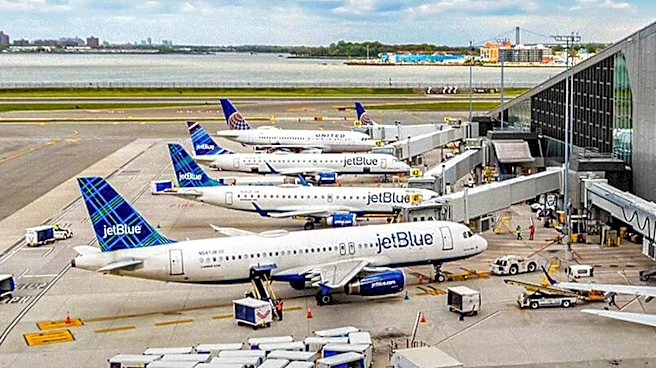
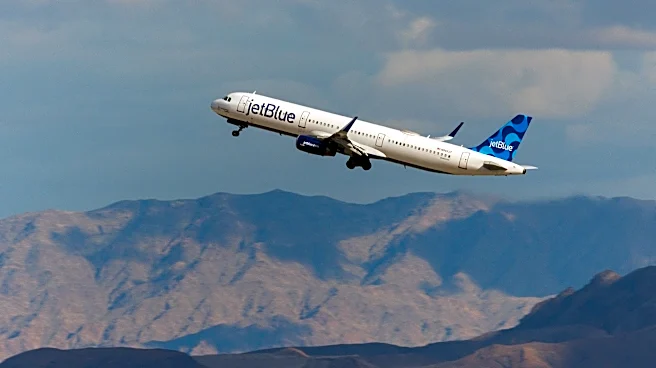
which now restricts refunds to flights booked at least a week in advance. American Airlines' new policy aligns with those of JetBlue, Southwest Airlines, and United Airlines, which also require a minimum one-week advance booking for full refunds within 24 hours. The Department of Transportation mandates that airlines must offer refunds for cancellations within 24 hours for flights departing at least a week later, but allows flexibility for airlines to offer more lenient terms. Delta's approach provides greater flexibility for travelers, especially those with uncertain plans, by not imposing the one-week advance booking requirement.
Why It's Important?
Delta Air Lines' policy offers significant advantages to travelers, particularly in an industry where refund policies are becoming more restrictive. By allowing cancellations within 24 hours without the one-week advance booking condition, Delta provides a competitive edge, potentially attracting more customers who value flexibility. This approach could influence customer loyalty and market share, as travelers may prefer airlines that offer more accommodating refund policies. The policy also reflects Delta's commitment to customer satisfaction, which could enhance its reputation in the industry. As other airlines tighten their policies, Delta's stance may set a precedent, encouraging competitors to reconsider their refund strategies to remain competitive.
What's Next?
As Delta continues to offer a more flexible refund policy, it may see an increase in customer bookings, particularly from those who prioritize flexibility in travel plans. Other airlines might monitor Delta's success and consider adjusting their policies to attract similar customer segments. The ongoing changes in refund policies across the industry could prompt regulatory reviews to ensure consumer protection and fair practices. Additionally, customer feedback and market trends will likely influence future policy adjustments by airlines, as they strive to balance operational efficiency with customer satisfaction.