








What's Happening?
American Airlines has adjusted its aircraft acquisition plans, reducing its remaining Embraer E175 commitments from 72 to 66 aircraft. This reduction accounts for six E175 aircraft purchases made during the reporting period. The updated delivery schedule
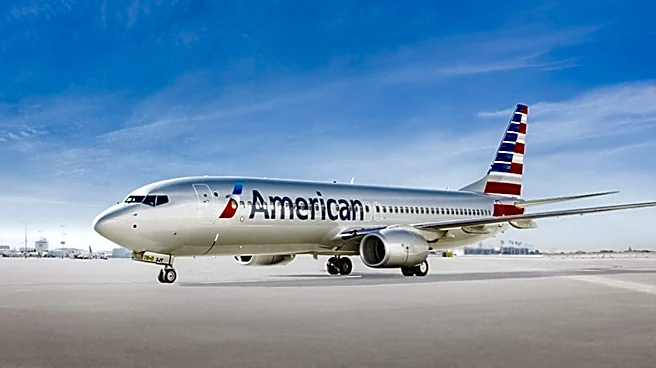
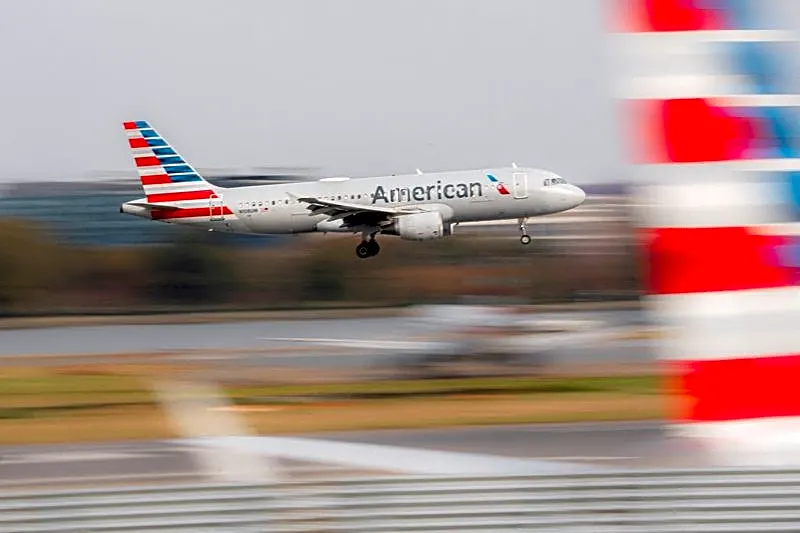
for the Embraer E175s includes five deliveries in the remainder of 2026, 14 in 2027, 17 in 2028, and 30 from 2029 onward. Concurrently, American Airlines has exercised options for five additional Airbus A320 family aircraft and committed to purchasing two Boeing 777-200ERs that are currently operating in its fleet from leaseholders. These commitments were disclosed in the airline's latest quarterly filing. The airline now has a total of 365 new aircraft scheduled for delivery, comprising 165 Airbus A320 family aircraft, 115 Boeing 737s, 19 Boeing 787s, and the aforementioned 66 Embraer E175s. The Boeing 787 and 737 delivery schedules remain unchanged, while the Airbus delivery timeline has been adjusted across various years.
Why It's Important?
These adjustments to American Airlines' fleet strategy are significant for the U.S. aviation industry and its major manufacturers. The reduction in Embraer E175 orders, while minor, indicates a dynamic re-evaluation of regional fleet needs, potentially impacting Embraer's U.S. market share for regional jets. Conversely, the exercise of options for additional Airbus aircraft and the purchase of Boeing 777-200ERs underscore the continued demand for both narrowbody and widebody aircraft from these manufacturers. This move suggests American Airlines is prioritizing a mix of domestic and international operational capabilities, with a near-term focus on supporting regional and domestic routes through Airbus narrowbodies and Embraer regional jets. The decision to purchase existing Boeing 777-200ERs rather than ordering new widebodies also reflects a strategic approach to fleet expansion, potentially aiming for cost efficiency and immediate operational integration. This impacts the competitive landscape between major aircraft manufacturers and signals American Airlines' long-term operational and financial planning.
What's Next?
American Airlines' near-term fleet expansion will primarily focus on narrowbody and regional aircraft, with 89 of the 98 aircraft scheduled for delivery in 2027 and 2028 being Airbus narrowbodies or Embraer regional jets. Only nine Boeing 787 widebodies are expected during this period. The airline is also planning significant cabin improvements across its existing fleet, with much of the work on narrowbody aircraft, including additional First Class and Main Cabin Extra seats, and seatback entertainment, expected to begin in 2028. Furthermore, new premium suites and improved Premium Economy seats are planned for widebody aircraft. While a larger long-haul aircraft order was anticipated, it has not yet been disclosed. The airline's future fleet composition and operational strategy will continue to evolve based on market demand, passenger preferences, and ongoing negotiations with aircraft manufacturers. The integration of these new and upgraded aircraft will likely influence American Airlines' route network and competitive positioning in the coming years.
Beyond the Headlines
The strategic adjustments by American Airlines reflect broader trends in the U.S. airline industry, including a nuanced approach to fleet modernization and capacity management. The emphasis on regional jets and narrowbody aircraft for near-term deliveries highlights the importance of domestic and regional connectivity in the airline's operational model. The decision to purchase existing widebody aircraft rather than placing new orders could indicate a cautious approach to long-term capital expenditure, possibly influenced by economic uncertainties or a desire for greater flexibility. Moreover, the planned cabin upgrades across the existing fleet suggest a focus on enhancing the passenger experience as a key differentiator, even as new aircraft deliveries are phased in. This dual strategy of selective fleet expansion and significant cabin refurbishment aims to maintain competitiveness and cater to evolving customer expectations, impacting not only the airline's financial performance but also the overall travel experience for millions of passengers in the U.S. and internationally.