





What's Happening?
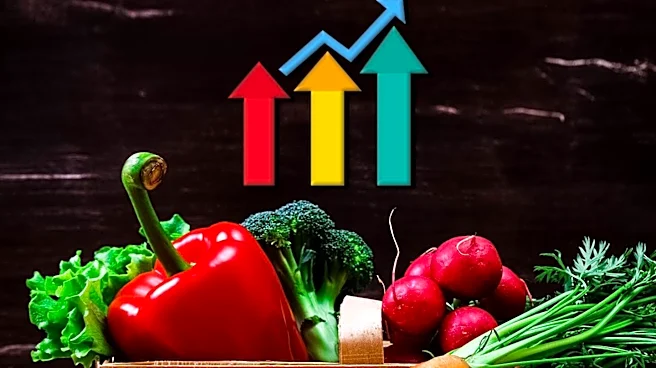
Estonian food and beverage industry leaders are predicting a 3 to 4 percent increase in grocery and drink prices for 2027. This forecast is attributed to rising costs across several sectors, including raw materials, energy, transportation, and labor.
Additionally, higher alcohol excise duties and a projected recovery in milk and meat prices are expected to contribute to the consumer cost increase. While food prices saw a temporary dip year-on-year in August and September, they began to rise again in October. Raw milk prices, which fell by 20 percent this year, are anticipated to rebound by 10 percent in 2027, though not reaching previous highs. This increase in farm prices would offer some relief to dairy producers who have been under pressure. However, domestic meat production faces challenges, with pork self-sufficiency falling to 63 percent due to African swine fever outbreaks, and domestic chicken covering only half the market.
Why It's Important?
The projected price increases in Estonia's food and beverage sector highlight broader economic pressures that could impact consumer spending and industry profitability. For consumers, a 3-4 percent rise in grocery and drink prices, aligning with the overall inflation outlook, means a reduction in purchasing power. This could lead to shifts in consumer behavior, potentially favoring cheaper alternatives or reducing consumption of certain goods. For the food industry, the rising costs of raw materials, energy, and labor will squeeze profit margins, especially for producers unable to fully pass these costs onto consumers. The anticipated rebound in milk prices, while beneficial for dairy farmers, will contribute to the overall price hike. The challenges in domestic meat production, particularly pork, underscore vulnerabilities in the supply chain, potentially increasing reliance on imports and further impacting prices. The increase in alcohol excise duties is expected to deter Finnish tourists from purchasing alcohol in Estonia and encourage cross-border shopping in Latvia, leading to losses in production, sales, and excise revenue for Estonian producers and the state.
What's Next?
Estonian consumers can expect to see higher prices for groceries and alcoholic beverages starting in 2027, with alcohol excise duties set to increase by another 5 percent on January 1, 2027. This follows a 10 percent hike at the beginning of the current year. The food industry will likely continue to grapple with increasing operational costs, potentially leading to further adjustments in pricing strategies. The government's stance on taxation, particularly the standard 24 percent VAT rate on all groceries and drinks, will remain a point of discussion, especially given that Estonia does not apply a reduced VAT rate to food, unlike most EU states. The Finance Minister Jürgen Ligi previously dismissed calls for a tax cut, indicating a continued high tax burden on food items. The ongoing challenges in domestic meat production, particularly pork, may necessitate policy interventions or industry adaptations to improve self-sufficiency and stabilize prices.
Beyond the Headlines
The forecasted price hikes in Estonia's food sector reveal deeper economic and social implications. The fact that Eurostat data already places Estonian food prices above the EU average and higher than in Sweden suggests a structural issue that could exacerbate cost-of-living concerns for Estonian citizens. The government's decision to maintain a standard 24 percent VAT rate on all groceries and drinks, without a reduced rate for essential food items, stands in contrast to many other EU nations and could disproportionately affect lower-income households. The Finance Minister's past comment dismissing calls for a tax cut by suggesting Estonians struggle more with being overweight than hunger, while potentially intended to be provocative, highlights a disconnect between policy decisions and the economic realities faced by some segments of the population. This approach to taxation could lead to broader discussions about food security, public health, and equitable access to affordable nutrition within Estonia.