


What's Happening?
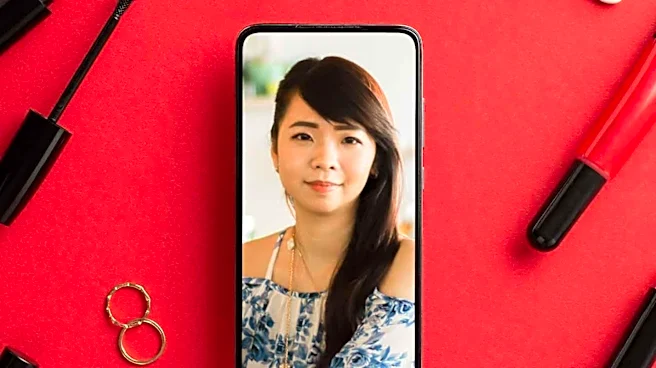
BeautyTok, TikTok's beauty content ecosystem, has become a primary platform for beauty product discovery and sales, surpassing Instagram and YouTube. Makeup tutorial creators are central to BeautyTok, demonstrating application techniques and product comparisons.
The platform's algorithm prioritizes content with high watch time completion rates, which beauty tutorials naturally achieve as viewers watch to see outcomes. Distinct content formats like 'Get Ready With Me' (GRWM) videos, 'soft launch' product discoveries, and 'dupe hunting' content perform exceptionally well. TikTok Shop integration further enhances this by allowing creators to tag products directly in videos and livestreams, enabling in-app purchases. This direct conversion path is fundamentally changing how beauty brands structure creator deals, moving from organic advocacy to affiliate partnerships based on purchase data. Skincare-focused creators, often with professional credentials, command premiums due to their informed audience, while product unboxing creators are valuable for launching new products.
Why It's Important?
The shift of beauty product discovery to TikTok signifies a major change in influencer marketing and consumer behavior within the U.S. beauty industry. Brands that adapt to TikTok's unique dynamics stand to gain significant market share, especially among under-35 consumers. The platform's ability to drive immediate product sellouts and impulse purchases highlights its powerful influence on consumer spending. The integration of TikTok Shop reduces the friction between content viewing and purchasing, directly impacting brands' return on investment (ROI) from influencer campaigns. This also creates new monetization opportunities for creators through affiliate commissions, potentially allowing them to earn substantial income based on sales performance. The emphasis on authentic engagement and data-driven deal structures means that brands are increasingly seeking creators who can demonstrate measurable purchase influence, leading to more strategic and effective marketing partnerships.
What's Next?
The gap between TikTok and Instagram influencer rates is expected to narrow as TikTok Shop data matures and conversion attribution becomes more reliable. Creators with proven TikTok Shop sales records will gain stronger negotiating leverage, potentially commanding rates comparable to Instagram. Brands will likely continue to refine their strategies, allocating a larger portion of their influencer budgets to TikTok, especially for direct-to-consumer (DTC) beauty brands with active TikTok Shop programs. Hybrid deal structures, combining flat fees with commissions, are becoming more common, particularly for dedicated content and live sessions. The continued evolution of TikTok's features, such as enhanced live streaming capabilities and deeper e-commerce integrations, will further solidify its role as a dominant force in beauty product marketing and sales.
Beyond the Headlines
The rise of BeautyTok reflects a broader cultural shift towards authentic, short-form video content for product discovery and purchasing decisions. This trend challenges traditional advertising models and emphasizes the power of peer recommendations and user-generated content. The algorithmic preference for high watch time completion rates encourages creators to produce engaging and transformative content, fostering a dynamic and innovative creative environment. The platform's ability to create viral moments and rapidly sell out products also raises questions about consumer impulsivity and the potential for fleeting trends. Furthermore, the increasing reliance on data-driven influencer partnerships could lead to a more meritocratic system where creators are valued based on their tangible sales impact rather than just follower counts, potentially democratizing influence within the beauty industry.