




What's Happening?
Chia seeds are being recognized as a significant source of prebiotic fiber, playing a crucial role in supporting gut health. Prebiotics are specialized plant fibers that are indigestible by humans but serve as 'fertilizer' for beneficial gut bacteria,
such as probiotics. Unlike probiotics, which are live bacteria, prebiotics fuel the existing beneficial microbes in the digestive system. Chia seeds are particularly effective due to their unique fiber profile, with approximately 40% of their weight being fiber. This includes both soluble fiber, which forms a gel-like substance and slows digestion, and insoluble fiber, which adds bulk and aids in digestive regularity. This dual action supports both the growth of beneficial bacteria and the mechanical movement of the digestive tract. The consumption of chia seeds contributes to the production of short-chain fatty acids, which strengthen the gut lining, reduce inflammation, and may influence mood and appetite regulation.
Why It's Important?
The emphasis on chia seeds as a prebiotic powerhouse is important for U.S. consumers seeking natural and accessible ways to improve their digestive health. With a growing awareness of the gut microbiome's impact on overall well-being, including immune function, blood sugar stability, and heart health, incorporating foods like chia seeds offers a practical solution. The soluble fiber in chia seeds helps stabilize blood sugar levels by slowing carbohydrate conversion, which can be beneficial for managing energy and preventing spikes. Additionally, soluble fiber aids in reducing cholesterol absorption, contributing to cardiovascular health. For individuals focused on weight management, the ability of chia seeds to absorb significant amounts of water creates a feeling of fullness, potentially reducing overall calorie intake. This makes chia seeds a valuable dietary component for a wide range of health goals.
What's Next?
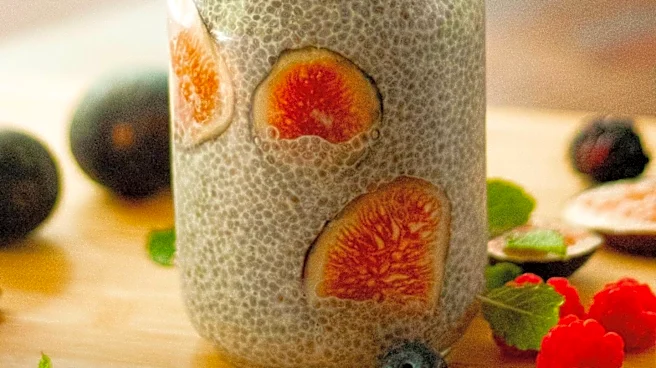
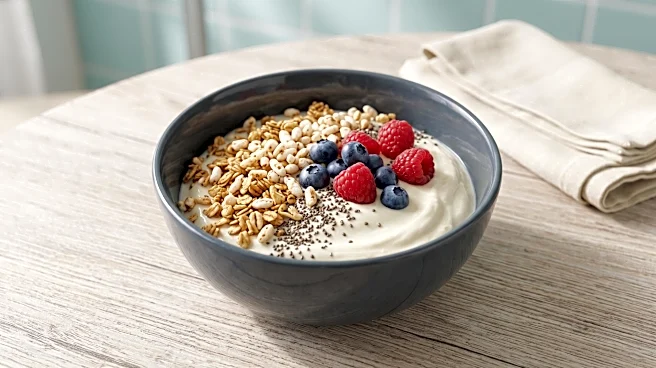
Consumers are encouraged to integrate chia seeds into their diets gradually, starting with small amounts like one teaspoon and increasing to one to two tablespoons daily, while also increasing water intake to prevent digestive discomfort. The versatility of chia seeds allows for various preparation methods, including adding them to smoothies, using them as a baking substitute (e.g., 'chia eggs'), stirring them into oatmeal, or using ground seeds as a thickener for soups and gravies. It is crucial to hydrate chia seeds adequately to avoid potential choking hazards or temporary constipation. While rare, individuals with sensitivities to mustard or sesame seeds should consult a doctor due to potential cross-reactivity. The market for chia seeds and chia-based products is likely to expand, with a continued focus on quality sourcing, such as non-GMO and organic options, to meet consumer demand for pure and effective health ingredients.
Beyond the Headlines
The promotion of chia seeds as a prebiotic highlights a broader trend towards functional foods and a more proactive approach to health through diet. This shift reflects a deeper understanding of the interconnectedness of the gut microbiome with various bodily systems, including the immune system and even mental health via the gut-brain axis. The accessibility and affordability of chia seeds make them an equitable option for improving health across different socioeconomic groups, contrasting with more expensive supplements. This focus on whole food sources for prebiotics also underscores a preference for natural nutrition over isolated compounds, providing additional benefits like protein, minerals, and healthy fats. The long-term implication could be a greater integration of such superfoods into mainstream dietary recommendations, influencing food product development and public health campaigns to emphasize gut-friendly eating habits.