






What's Happening?
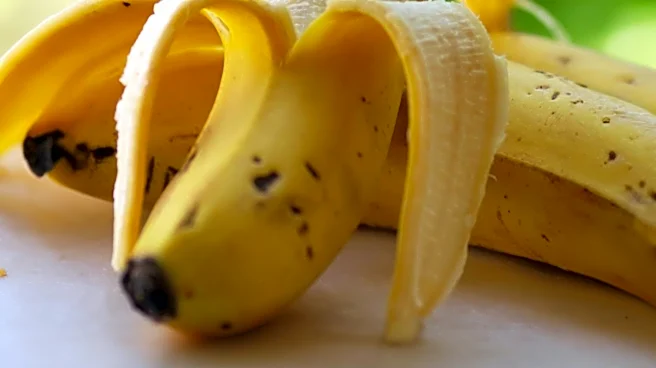
Environmental experts are cautioning against the common practice of discarding banana peels outdoors, highlighting the potential ecological harm. Dr. Rae Wynn-Grant, a wildlife ecologist, explains that while many people believe banana peels decompose
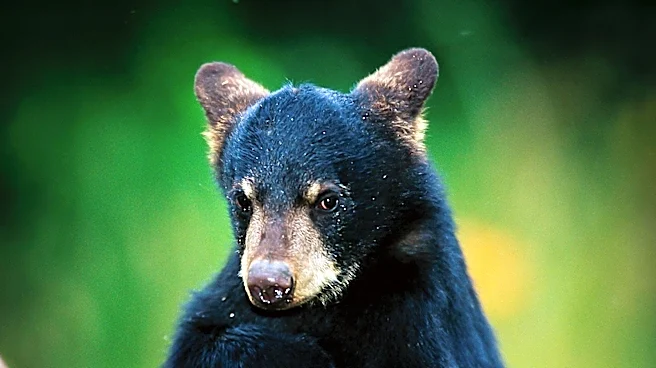
quickly and harmlessly, this is not the case in many outdoor environments. Lauren Click, executive director of Let's Go Compost, notes that banana peels decompose rapidly in compost bins but can persist for months in less suitable conditions like roadsides. The presence of banana peels can disrupt local wildlife, as animals may become dependent on human food waste, leading to altered foraging behaviors and increased risks of human-animal conflicts. This dependency can result in nutritional imbalances and unnatural behaviors in wildlife, potentially leading to dangerous interactions with humans.
Why It's Important?
The improper disposal of banana peels and similar organic waste poses significant risks to both wildlife and human safety. When animals become accustomed to finding food near human activity, they may lose their natural fear of humans, increasing the likelihood of dangerous encounters. This can lead to property damage, vehicle collisions, and in severe cases, the euthanization of animals deemed a threat. Additionally, the introduction of human-cultivated fruits into wildlife diets can cause digestive issues and disrupt natural behaviors such as migration and breeding. These ecological disruptions underscore the importance of responsible waste disposal to maintain the balance of natural ecosystems and protect both wildlife and human communities.
What's Next?
To mitigate these risks, environmental advocates recommend that individuals dispose of banana peels and other organic waste in designated trash or compost bins. This practice helps preserve the natural order and reduces the likelihood of wildlife becoming habituated to human food sources. Public awareness campaigns and educational initiatives could further inform the public about the ecological impacts of littering organic waste. By promoting responsible waste management, communities can contribute to the protection of local ecosystems and reduce the potential for harmful human-wildlife interactions.
Beyond the Headlines
The issue of organic waste disposal extends beyond banana peels, reflecting broader environmental challenges related to human impact on natural ecosystems. The cultivation of fruits and vegetables for human consumption often results in produce with altered nutritional profiles, which can be harmful to wildlife. This highlights the need for sustainable agricultural practices and increased awareness of how human activities affect the environment. By understanding these complex interactions, society can work towards more sustainable living practices that support both human needs and ecological health.