







What's Happening?
The Fort Worth City Council has approved an amended site plan for a $10 billion data center project by Black Mountain. The vote, which passed 7-4, addresses 187 acres of the proposed development. Key changes in the approved plan include the addition of an electrical
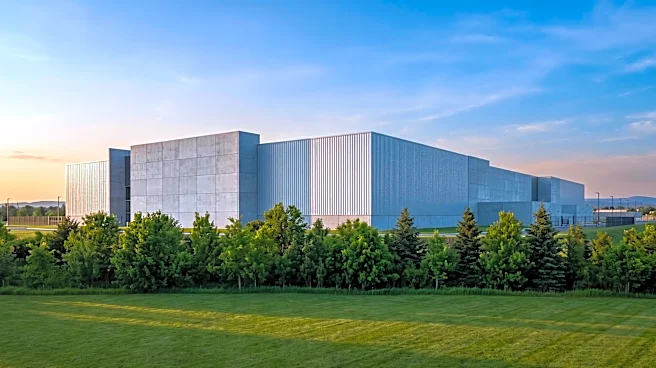
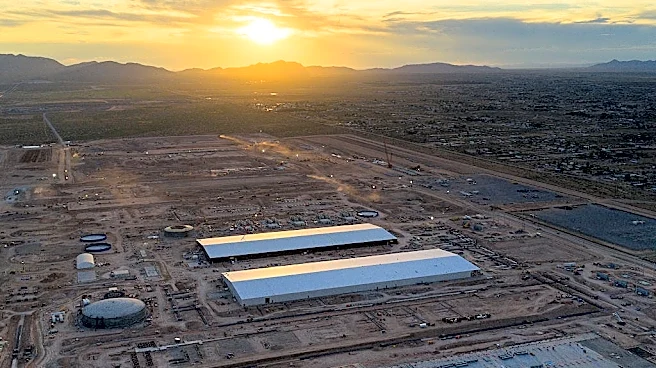
substation, an increase in the maximum building height to 70 feet, and a requirement for a 150-foot distance between the facility and residential homes. Council members Michael Crain and Chris Nettles requested an amendment to increase this distance to 300 feet, which was incorporated into the final approval. Black Mountain CEO Rhett Bennett stated that the buildings in the revised blueprint are already more than 300 feet away from homes. This decision follows previous tabling of the site plan in May and June due to community concerns. The project's blueprint now features four buildings, covering just over a million square feet in ground space, a reduction from the initial proposal of 18 buildings spanning 3 million square feet. Green space and trees will separate the facility from nearby residences.
Why It's Important?
This approval is significant for Fort Worth's economic landscape, representing a substantial $10 billion investment that proponents argue will bring job opportunities and increased tax revenue for local schools. The project's scale could position Fort Worth as a major hub for data infrastructure, attracting further technological development and related businesses. However, the decision also highlights ongoing tensions between economic development and community concerns. Residents and activists, such as Ambika Sharma, have voiced opposition, advocating for a moratorium until the city's newly formed Data Center and Infrastructure Commission establishes comprehensive regulations. This debate underscores the challenge local governments face in balancing large-scale industrial projects with the quality of life and environmental considerations of existing communities. The increased distance requirement and green space provisions reflect an attempt to mitigate some of these community impacts, but the underlying concerns about the long-term effects of such a large facility remain a point of contention.
What's Next?
Following the City Council's approval, Black Mountain will proceed with the development of the $10 billion data center based on the amended site plan. The project will include the construction of an electrical substation and four main buildings, adhering to the 70-foot height limit and the 300-foot setback from residential areas. Community activists, like Ambika Sharma, are likely to continue advocating for the implementation of regulations by the Data Center and Infrastructure Commission. The commission's future recommendations could influence subsequent phases of this project or future data center developments in Fort Worth. The city will need to monitor the construction and operation of the facility to ensure compliance with the approved plan and address any emerging community or environmental concerns. The long-term economic and social impacts of this large-scale development will be closely watched by both supporters and critics.
Beyond the Headlines
The Fort Worth data center project illuminates a broader national trend where cities grapple with the rapid expansion of data infrastructure. While these facilities promise economic growth and technological advancement, they also raise complex questions about land use, environmental impact, and community integration. The debate in Fort Worth reflects a growing awareness of the energy consumption and potential noise pollution associated with large data centers, prompting calls for more stringent regulatory frameworks. The establishment of a Data Center and Infrastructure Commission in Fort Worth signifies a proactive, albeit reactive, step towards addressing these challenges. This situation could set a precedent for how other U.S. cities approach similar developments, emphasizing the need for comprehensive planning that considers both economic benefits and community well-being. The ethical dimension of balancing corporate interests with residential quality of life will likely remain a central theme in future urban development discussions.