





What's Happening?
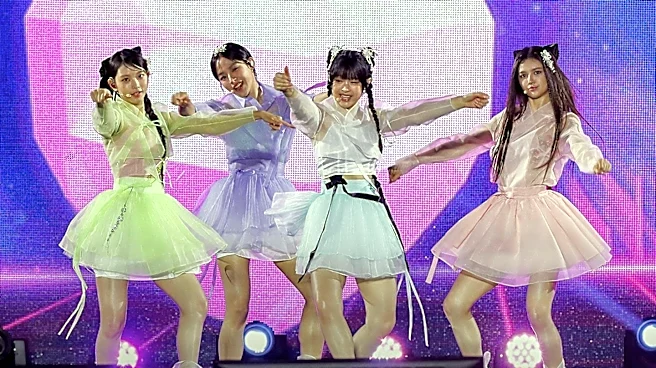
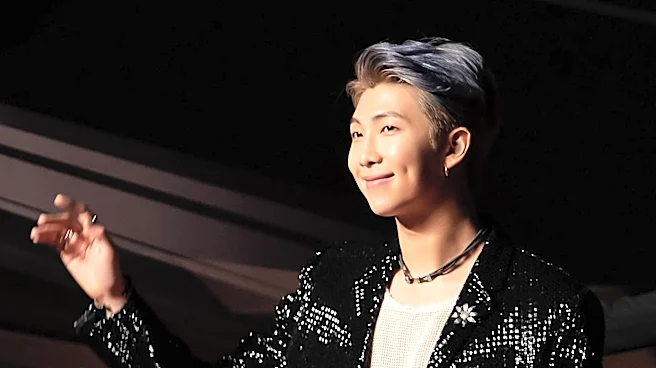
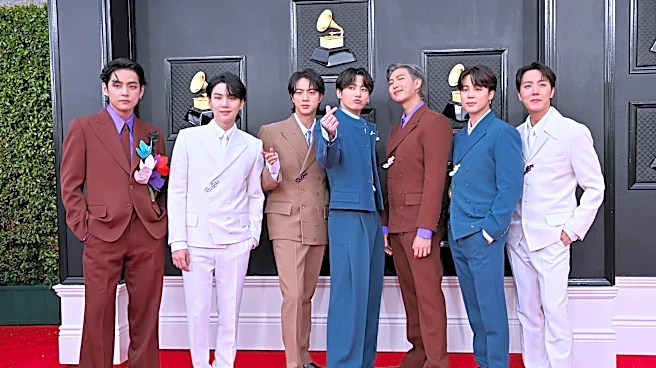
BTS has won the Artist of the Year award for the eighth time at the MAMA Awards 2026, held in Osaka, Japan. The K-pop group was among the first winners announced during the event's first night. Other notable winners included Enhypen, which secured three
awards including Fans’ Choice of the Year, and Ive, which won Best Female Group. The MAMA Awards, broadcast on Mnet in Korea, aim to connect artists and fans globally through music. This year's event is particularly significant as it takes place amidst ongoing discussions and scrutiny regarding the health and practices within the K-pop industry. Recent debates have emerged from a New York Times article detailing artist contract restrictions, prompting the K-pop music association to defend the industry. The South Korean government has also announced a survey to assess the treatment of underage performers, highlighting the current focus on industry standards and artist welfare.
Why It's Important?
The continued success of BTS at a major international event like the MAMA Awards underscores their enduring global influence and fan base, even as the broader K-pop industry faces increased scrutiny. Their consistent wins highlight the power of established acts in maintaining popularity and commercial success. The context of the awards, occurring amid debates about artist contracts and the treatment of performers, brings attention to the internal dynamics of the K-pop industry. This situation is important because it could lead to significant reforms in how K-pop artists, particularly younger ones, are managed and contracted. The industry's response to these concerns, including the South Korean government's involvement, could shape future regulations and ethical standards, potentially impacting the careers of countless artists and the business models of entertainment companies. The outcome of these discussions will determine whether the industry can achieve sustainable growth beyond its current global success.
What's Next?
The MAMA Awards 2026 will continue with its second night, featuring more performances and award announcements, which may further highlight the diversity and global reach of K-pop. Beyond the immediate event, the ongoing discussions about K-pop industry practices are expected to intensify. The South Korean government's survey on the treatment of underage performers could lead to policy recommendations or new regulations aimed at improving artist welfare and contract fairness. Entertainment companies and industry associations will likely face continued pressure to address concerns raised by media reports and public debate. This could result in revised contract terms, enhanced protective measures for artists, and greater transparency within the industry. The focus will be on how the K-pop industry adapts to these challenges to ensure its long-term sustainability and ethical operation, potentially influencing its global image and appeal.
Beyond the Headlines
The MAMA Awards, while celebrating musical achievements, also serve as a barometer for the cultural and economic health of the K-pop industry. The current scrutiny over artist contracts and treatment points to deeper ethical and legal considerations within the entertainment sector. The debate extends beyond individual artists to the systemic structures that govern their careers, including issues of labor rights, mental health support, and equitable compensation. This situation could trigger a broader re-evaluation of how talent is nurtured and managed in high-pressure global entertainment industries. The industry's response will not only affect K-pop but could also set precedents for other global music markets facing similar challenges. Ultimately, the outcome could lead to a more artist-centric model, fostering a healthier and more sustainable environment for creative talent, or it could highlight the persistent power imbalances within the industry.